

Oppenheimer continues to make people argue about the moral weight of invention, and that is part of what made Christopher Nolan’s film linger beyond its theatrical run. The story of J. Robert Oppenheimer is not only about the creation of the atomic bomb. It is also about the uneasy gap between what scientists build, what governments do with it and what the people involved tell themselves afterward.
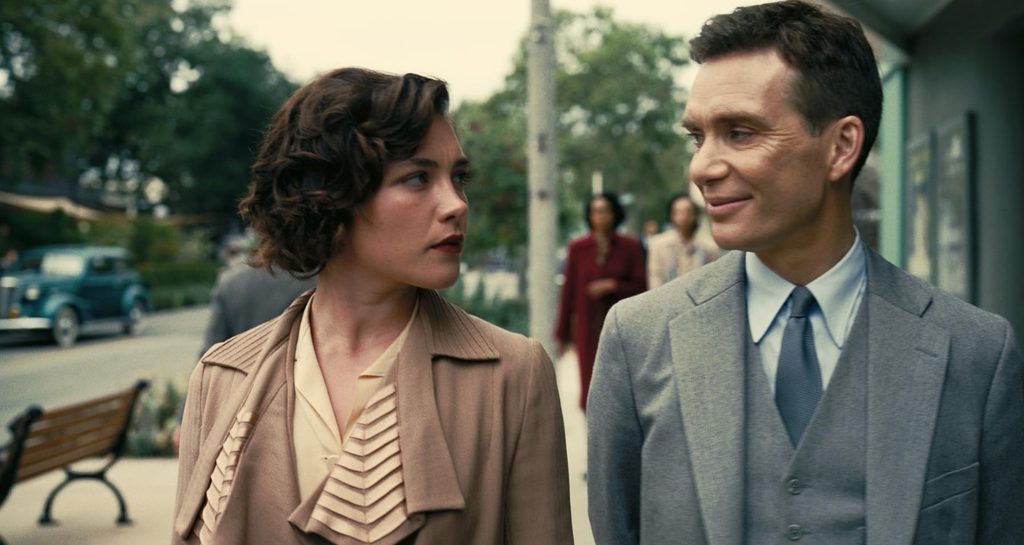
The 2023 film follows Oppenheimer, played by Cillian Murphy, through the development of the Manhattan Project and the political fallout that followed. Nolan builds the story around both the race to create a nuclear weapon during World War II and the hearings that later challenged Oppenheimer’s security clearance. The result is a drama about scientific achievement, ambition and the limits of personal control once an invention leaves the laboratory.
The film still invites debate because it refuses to treat scientific progress as automatically good or bad. Oppenheimer and his colleagues feared Nazi Germany might develop an atomic weapon first. That concern helped justify the project, but the bombs dropped on Hiroshima and Nagasaki in August 1945 exposed the human cost.
The comparison with Alfred Nobel makes the question more complicated. Nobel made his fortune through explosives, especially dynamite, while his name is now linked to prizes recognizing work in science, literature and peace. It is tempting to turn that into a neat redemption story, but Nobel was also involved in the arms industry, and his inventions were used beyond mining and construction.
Nobel and Oppenheimer were not identical. Their technologies, motives and circumstances differed, but both cases raise a difficult question: does inventing something useful reduce responsibility for how others use it, or does the creator remain tied to the consequences? No answer can erase the people harmed by these weapons.
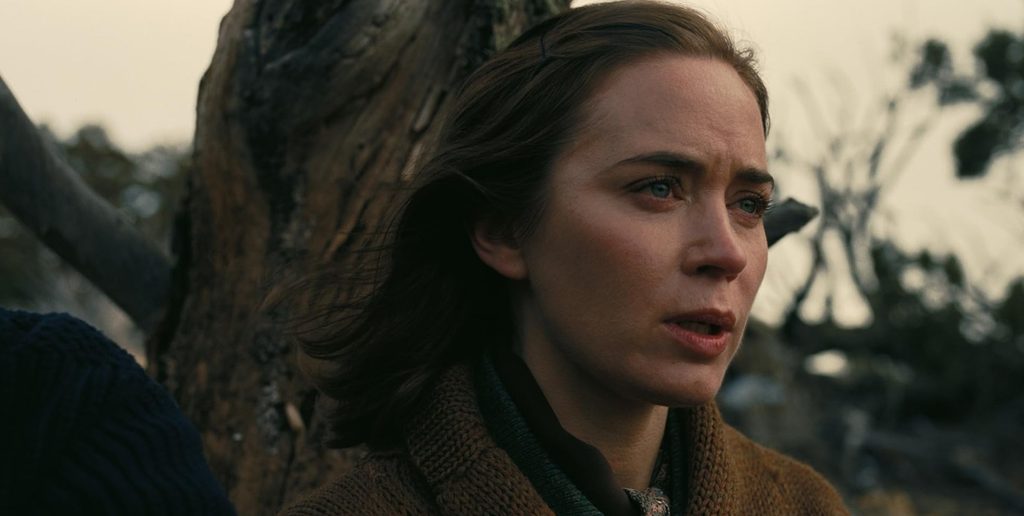
Oppenheimer explores the conflict through Murphy’s restrained performance and the contrast between the scientist’s public reputation and private doubts. Emily Blunt plays Kitty Oppenheimer, while Robert Downey Jr. portrays Lewis Strauss, the political adversary whose campaign against Oppenheimer forms a second strand of the story. Their conflict shifts the film from a laboratory drama into a study of power, loyalty and reputation.
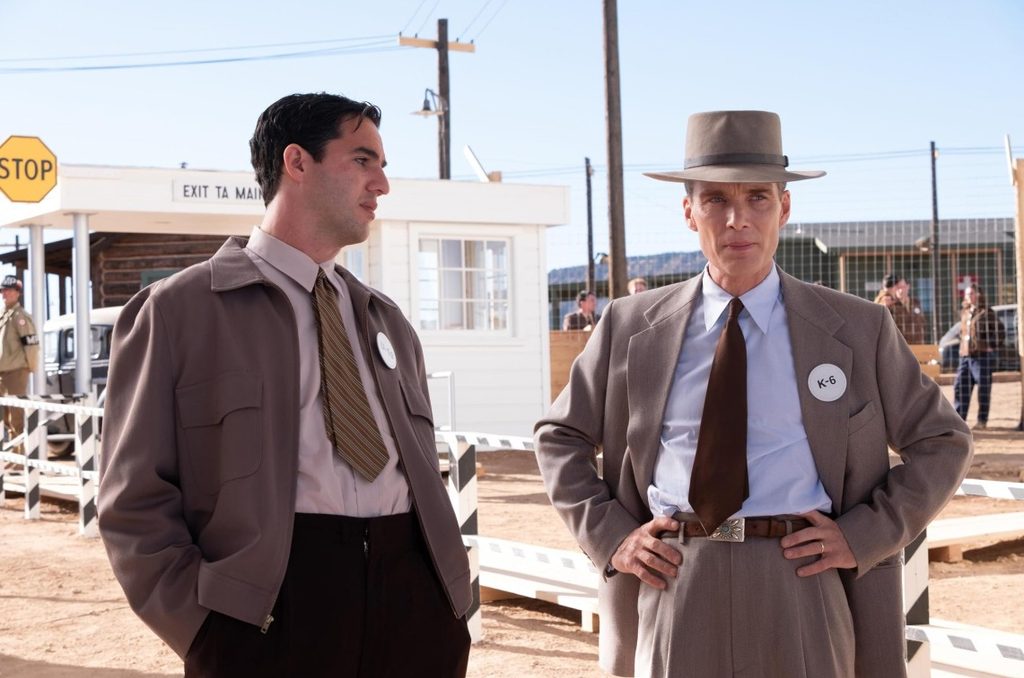
The film moves between scientific breakthroughs, government pressure and retrospective judgment, showing how history can turn a person into a symbol while flattening his contradictions. Oppenheimer helped create a weapon that altered warfare, but later warned about nuclear dangers and supported international control.
That contradiction remains the film’s strongest subject. The bomb was developed under wartime pressure, yet its existence reshaped global politics long after the war ended. Explaining why the project began does not settle the moral question of how the weapon was used, or whether the people who made it could ever separate their work from its aftermath.
Nolan’s film leaves the viewer with no easy verdict. Instead, Oppenheimer asks whether scientific responsibility ends when a discovery works, or whether it continues every time the world chooses what to do with it. That question is larger than one man, and it is why the film still invites debate.
Also Read: Narnia Poster Reveals Aslan’s Star-Filled Silhouette