
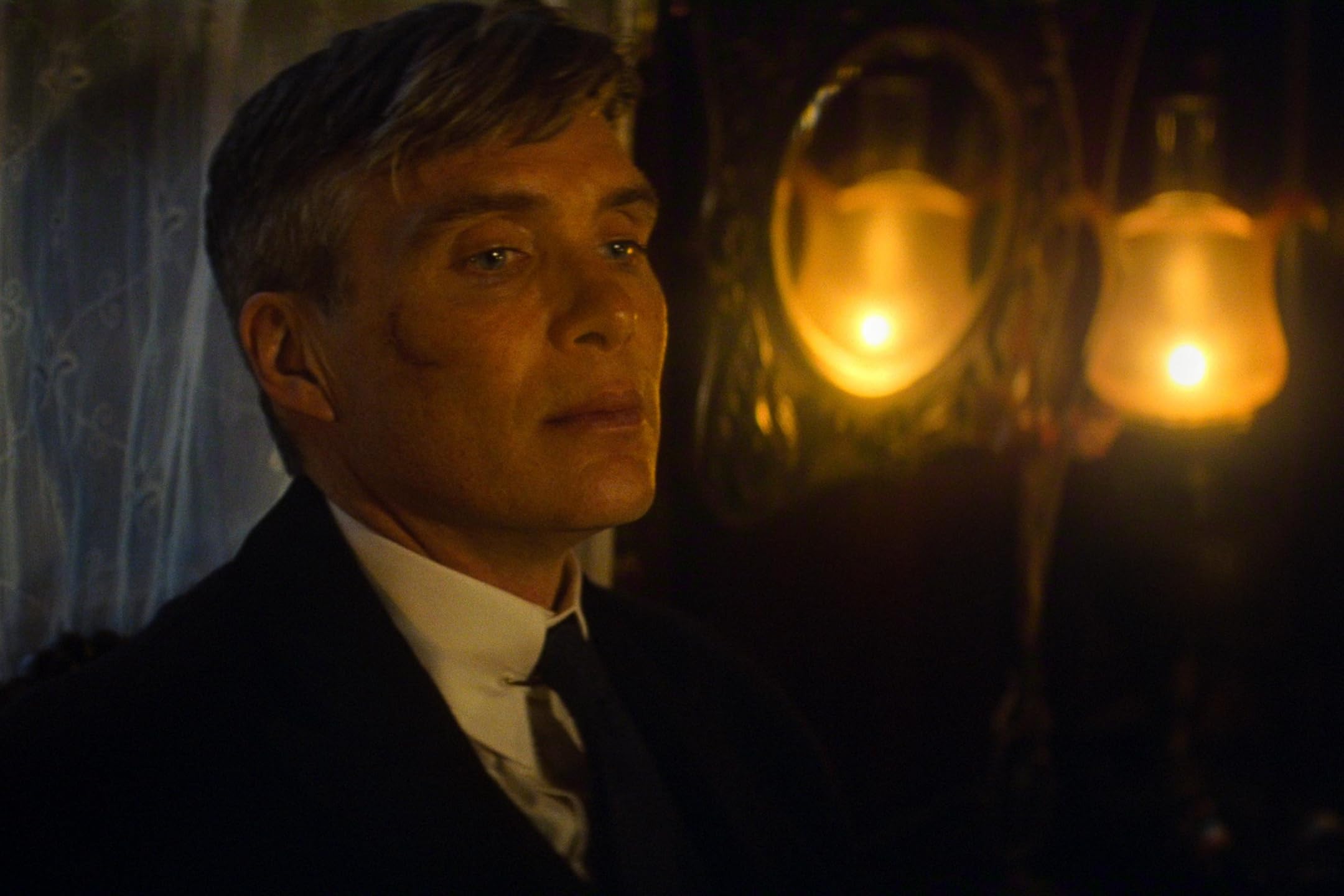
Release Date: March 6, 2026 | Title:Peaky Blinders: The Immortal Man | Director: Tom Harper | Writer: Steven Knight | Star: Cillian Murphy | Studio: Netflix / BBC Film**
Tommy Shelby rides again. Four years after the series finale left him galloping into mist on a white horse, Peaky Blinders: The Immortal Man brings Cillian Murphy’s iconic gangster back for one final war. The film, dropping March 6, 2026, isn’t just a reunion—it’s a revelation. Here’s everything we’ve learned from set reports, cast interviews, and the carefully managed leaks that have fans theorizing wildly.
From Exile to World War
Where did Tommy go? The series ended with him faking his death—discovering his “terminal brain tumor” was Oswald Mosley’s lie, burning his possessions, vanishing. The Immortal Man finds him in 1940, four years later, World War II raging. He’s been in America, then Ireland, then shadows. The “immortal” title refers not to literal undying but to refusal: suicide attempts, assassination plots, terminal diagnoses, and now global war haven’t finished him.

Steven Knight, creator and writer, told Yahoo Entertainment: “This is the proper ending. The television series was the journey; this is the destination.” The 1940 setting places Tommy against fascism’s rise—Mosley’s British Union of Fascists, Hitler’s advance, the moral collapse of everything he fought to build.
Old Blood, New Faces
The returning core is intact: Sophie Rundle (Ada Shelby), Ned Dennehy (Charlie Strong), Packy Lee (Johnny Dogs), Ian Peck (Curly). Stephen Graham’s Hayden Stagg, introduced in Series 6’s final episodes, returns—his alliance with Tommy left unresolved.
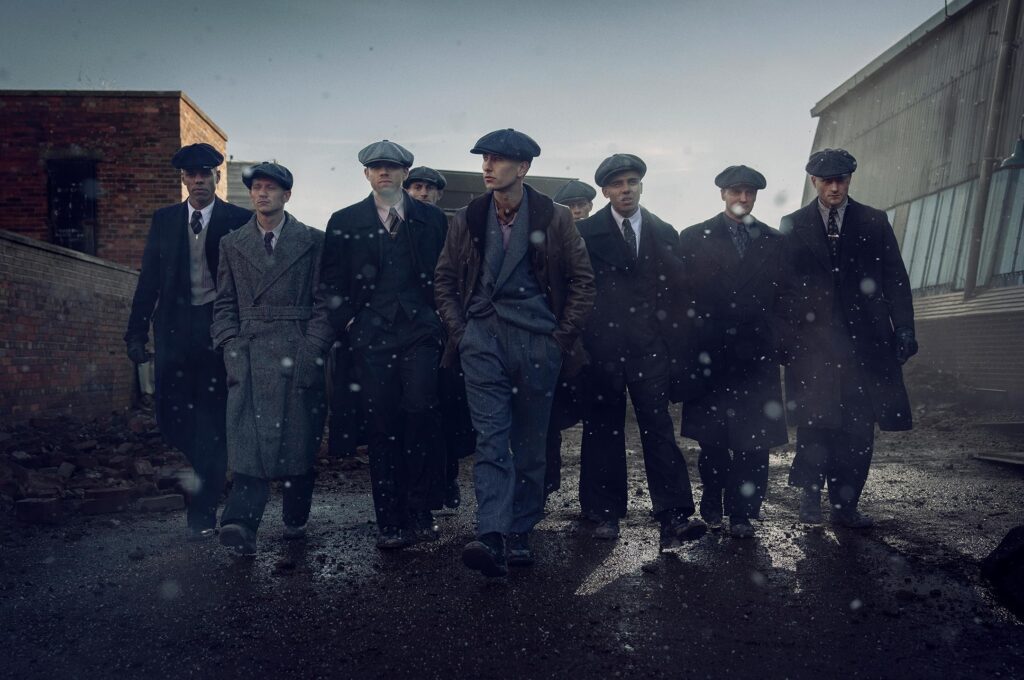
The new additions are seismic. Rebecca Ferguson (Mission: Impossible, Dune) plays an undisclosed role—intelligence operative, possibly, or rival criminal. Tim Roth (Reservoir Dogs, Pulp Fiction) joins as another mystery, likely antagonist given his specialty in charming menace. Most significant: Barry Keoghan (Saltburn, The Banshees of Inisherin) as Pinto Shelby, a new family member positioned as potential successor.
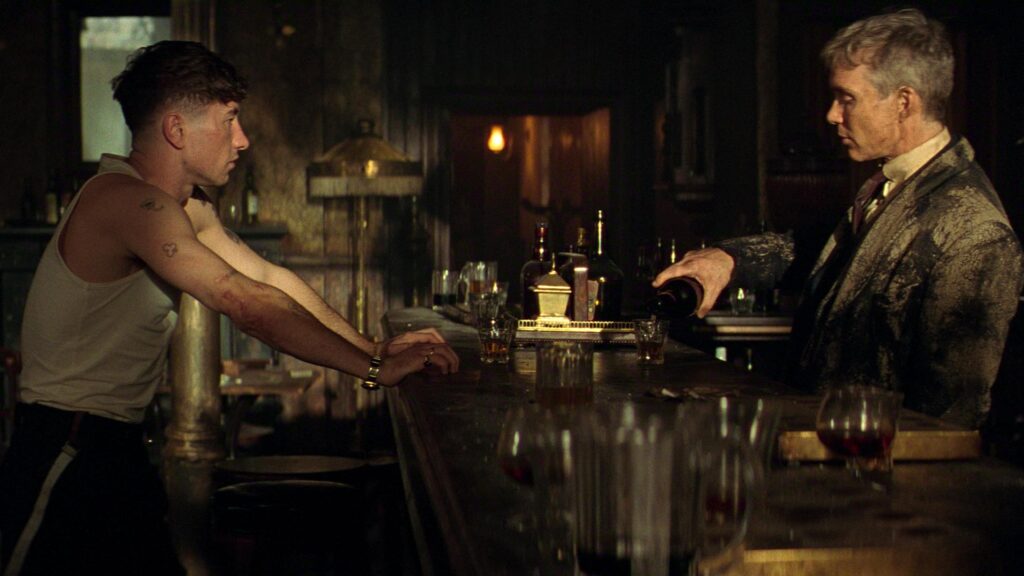
Keoghan’s casting suggests franchise continuation beyond Murphy. If The Immortal Man is Tommy’s “proper ending,” Pinto inherits the empire. The age gap—Keoghan 32, Murphy 48—allows generational handoff, Creed-style, Top Gun: Maverick-style.
Family and Fascism
Knight’s script reportedly balances two wars: the external (World War II, Tommy’s potential role in British intelligence, the Shelby criminal empire intersecting with national survival) and internal (family succession, Ada’s political ambitions, the ghost of Polly Gray). Helen McCrory’s death in 2021 removed the series’ emotional center; The Immortal Man addresses her absence directly—Polly’s influence on surviving characters, her strategies still guiding them.
The Mosley thread continues. Sam Claflin’s fascist leader, imprisoned but unbroken, may appear or may be referenced—his shadow looms regardless. Tommy’s unfinished business with fascism (he failed to assassinate Mosley in Series 6) drives narrative. Knight has called the film “reckoning with the 20th century’s great evil.”
Cillian’s Transformation
Murphy, Oscar winner now (Oppenheimer, 2024), approached The Immortal Man with increased authority. He and Knight developed script together, Murphy’s first significant writing contribution. The physical transformation is equally notable: Tommy’s 1940 appearance—thinner, grayer, harder—required Murphy to lose weight, echoing his Oppenheimer preparation but for opposite effect (weakness versus power).
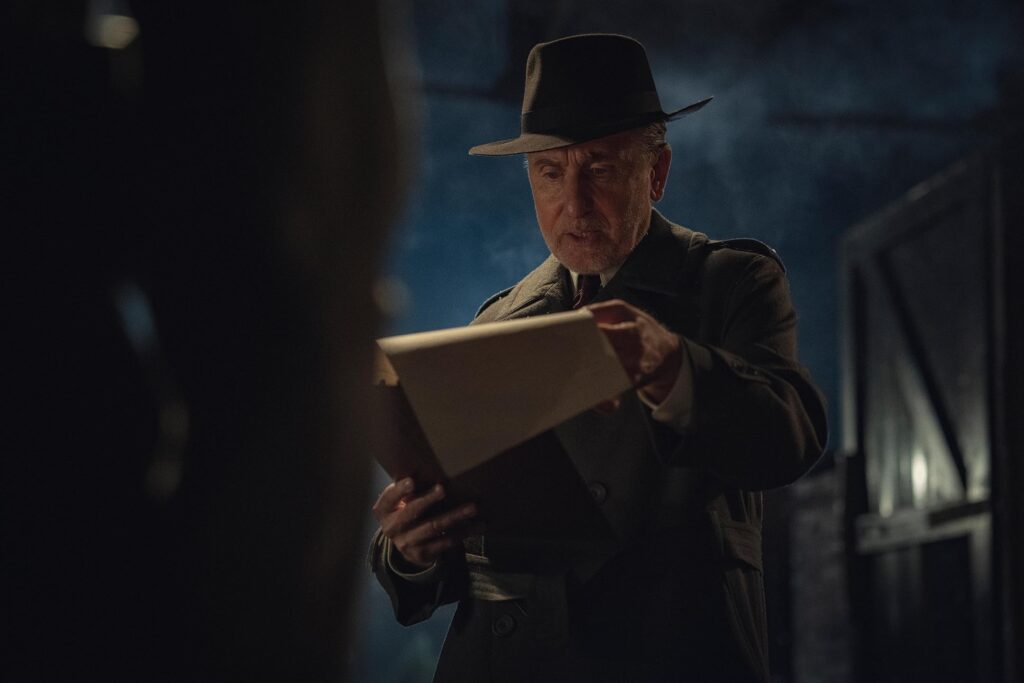
Director Tom Harper (The Aeronauts, Heartstopper) took over from series regulars, bringing cinematic scale. The budget—reportedly $70 million, triple any series episode—allows set pieces: aerial dogfights, tank warfare, potentially Dunkirk evacuation (tying Murphy’s Oppenheimer collaborator Christopher Nolan thematically, if not literally).
What We Don’t Know
Netflix and BBC have controlled information tightly. Unconfirmed but rumored: Tom Hardy’s Alfie Solomons return (contract negotiations ongoing in 2024), Anya Taylor-Joy’s Gina Gray expanded role (her 1930s political connections), a sequence in America showing Tommy’s exile years. The ending—Tommy’s actual fate—has been filmed multiple ways, even Murphy unsure which Knight will choose.
The Release Strategy: Theater Then Stream
March 6, 2026: limited theatrical release, “event” screenings for fans, awards qualification. March 20, 2026: Netflix global. The 14-day window mirrors Rustin, Maestro, The Killer—Netflix’s prestige model, acknowledging that Peaky Blinders deserves big-screen presentation while maximizing subscriber reach.
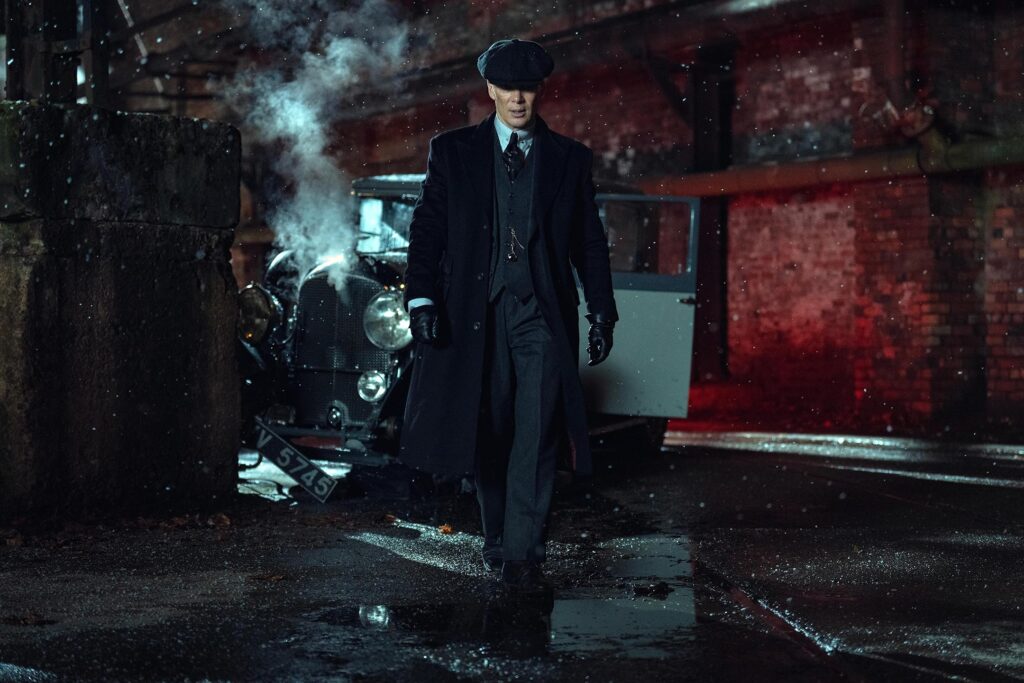
The gap allows word-of-mouth, critical consensus, meme generation. Peaky Blinders has always been social media phenomenon—Tommy Shelby “by order of” GIFs, “fookin” compilations, period-drama TikToks. The film’s release timing maximizes this, March being prestige-television desert, Peaky Blinders dominating conversation.
End or Beginning?
Murphy insists closure: “It feels like a proper bookend to the whole 36 hours of television.” Knight hedges: “prepare people for what comes next.” The hedging is strategic—if The Immortal Man succeeds, Pinto Shelby spin-off follows. If it fails, this is definitive conclusion.
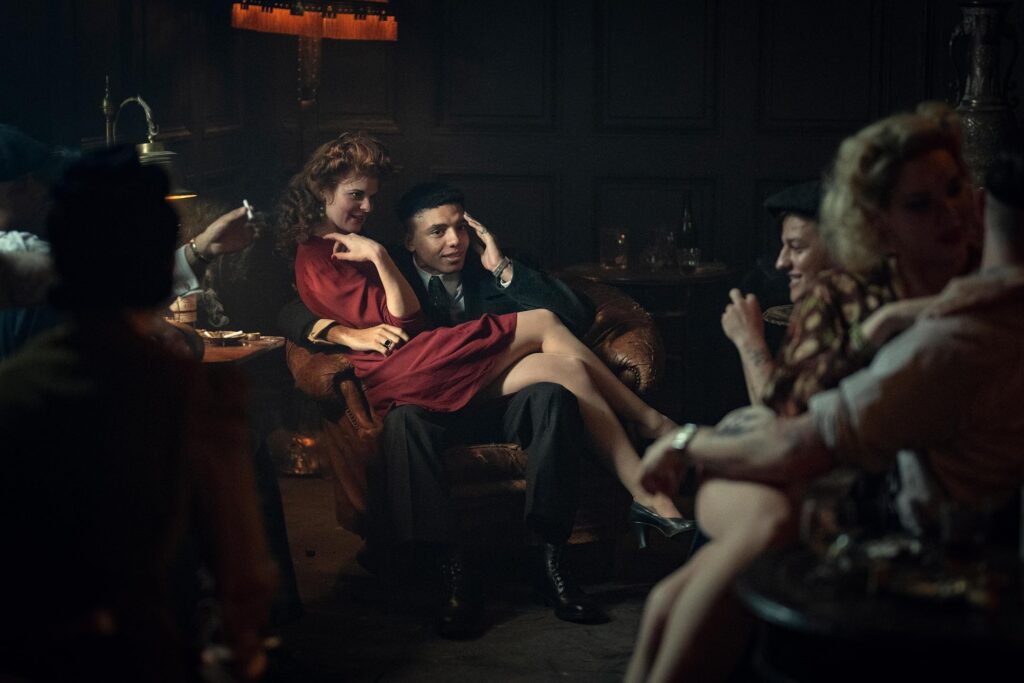
The “immortal” concept—Tommy’s refusal to die, his legend outliving his mortality—suggests both. He may die in film; he may live. Either way, the Shelby name continues, the empire persists, the story finds new mouths. Peaky Blinders began as 1920s gangster tale; it ends as 20th-century epic, war story, family tragedy, national allegory.
Tommy Shelby, in 2026 as in 2013, remains the man who never stopped fighting. The horse, the mist, the faked death—preparation for real ending. March 6, we learn what “immortal” truly means.
Also Read: Pluribus: Vince Gilligan’s Poker Thriller