
Ray Gunn has arrived with the kind of visual world that makes you want to pause every frame, even when its mystery occasionally takes a longer route than necessary. Brad Bird’s long-developed animated feature blends classic detective noir with science fiction, and early reviews are praising the atmosphere, design and sound while questioning whether the plot and its bigger ideas always land as cleanly as the animation.
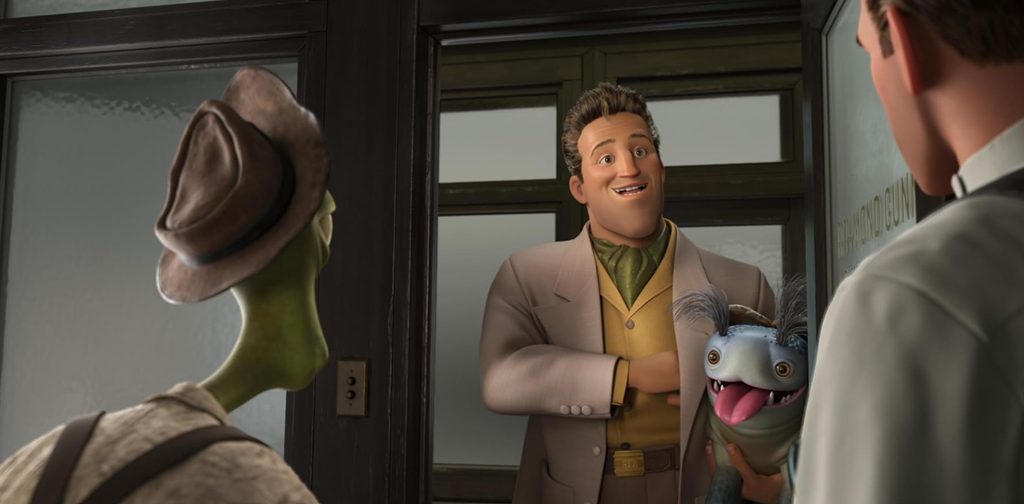
The story unfolds in Metropia, an alternate-future city imagined through the style of 1939. Private detective Raymond Gunn, voiced by Sam Rockwell, investigates a case involving aliens, murder and Venus Nova, a multimedia superstar played by Scarlett Johansson. His partner is Eyera, an alien voiced by Tom Waits, and the investigation pulls the detective through a world of corrupt officials, celebrity handlers and social prejudice.
That premise gives Bird room to bring together two genres that rarely get this much space in a major animated film. The city has towering Art Deco architecture, flying vehicles and the polished promise of a future imagined before the modern world arrived. Beneath the bright surfaces, though, Metropia has an underworld of manipulation, discrimination and people who use technology to control what others see. It looks glamorous, but it is not particularly healthy to live there.
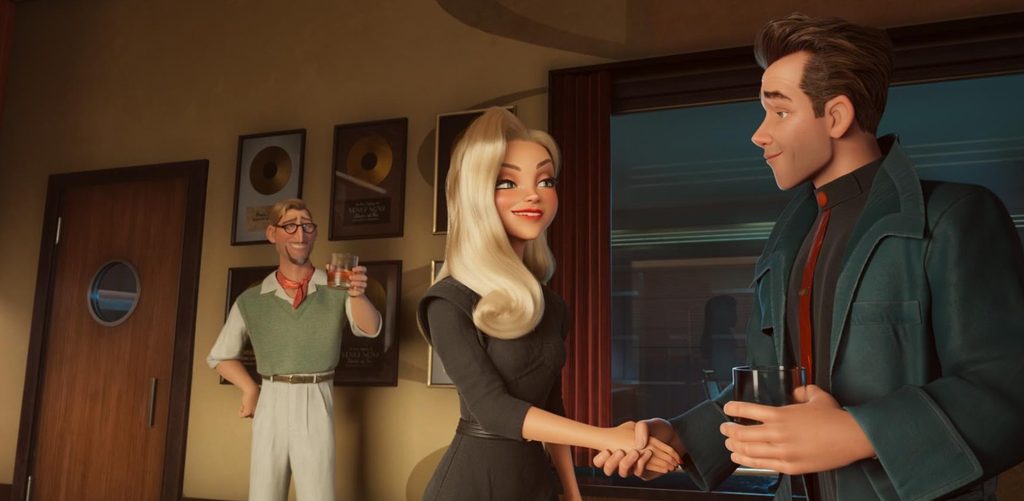
Much of the early praise centers on the sheer density of the visual design. Metropia feels lived in rather than assembled from interchangeable futuristic buildings, while the action is staged with a sense of geography that helps the chase sequences and confrontations make sense. The score by Michael Giacchino and the sound work also add character to the city, particularly in sequences that break from conventional action, including a zero-gravity dance.
Ray Gunn is also earning credit for giving animation a different kind of adult-friendly adventure without abandoning humor or warmth. Bird, known for The Iron Giant, The Incredibles and Ratatouille, has been developing the idea for more than three decades. His interest in classic detective stories is visible in the weary hero, the glamorous client and the trail of clues that gradually reveals a more complicated situation than the case first suggests.
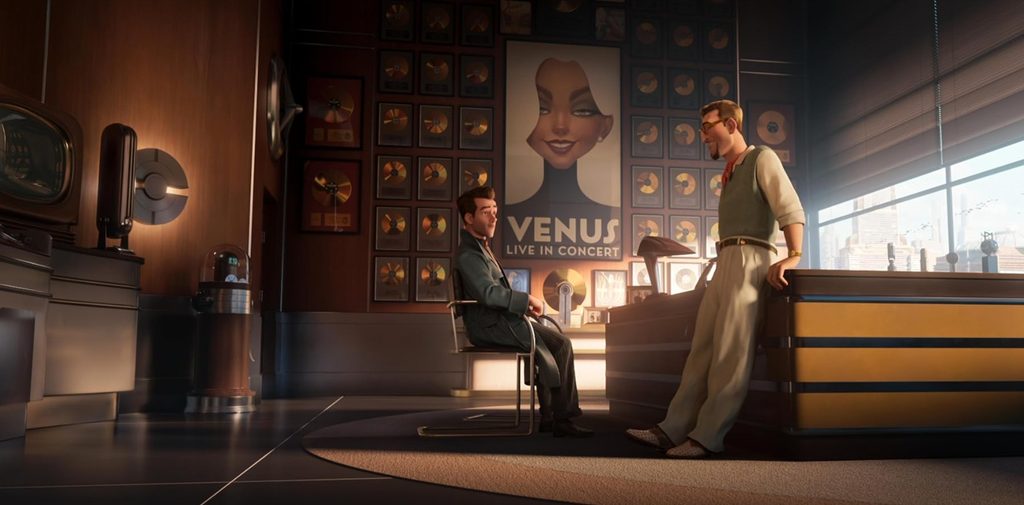
The reviews are not uniformly glowing, though. Some critics feel the detective story runs too long or hides twists that are easier to predict than the film seems to realize. Others argue that its comments on prejudice, algorithmic advertising, privacy and the commercial control of art are interesting but sometimes too blunt. The finale, in particular, has been questioned for pushing its message about creativity and corporate power harder than the earlier story supports.
Those criticisms do not erase what Ray Gunn does well. Its visual personality, strong voice cast and unusual blend of genres give it a clear identity in a field where animated releases can look increasingly similar. Still, a great world is not the same thing as a great mystery, and the film needs both to satisfy viewers who expect a tightly plotted noir.
Ray Gunn will receive a limited theatrical release on December 4 before arriving on Netflix on December 18. For audiences who value imaginative design, the big-screen run looks worth considering, even if the story may spark as much debate as admiration.
Also Read: Wicker Basket-Built Husband Is Its Strangest Hook