
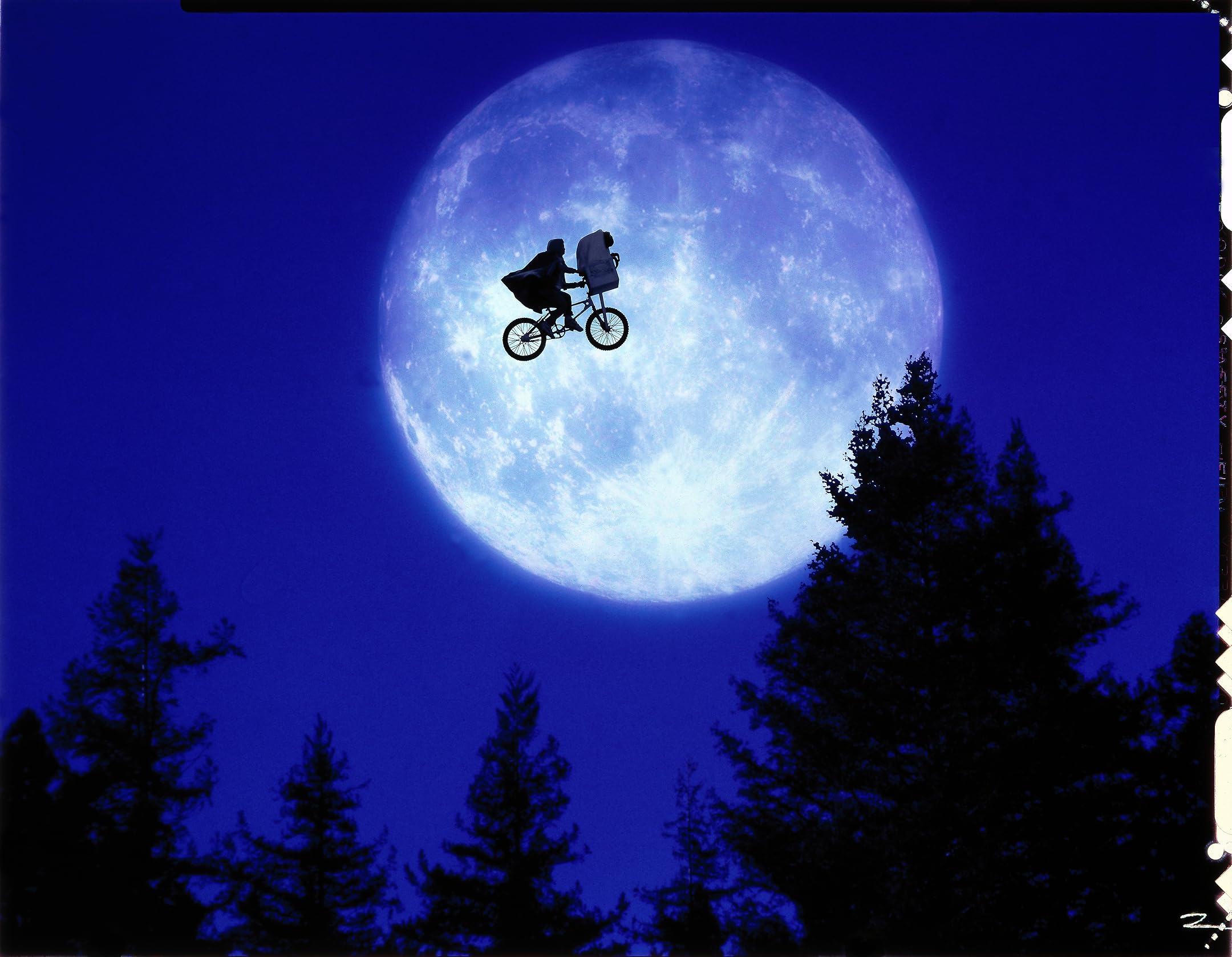
Spielberg home video refusal is one of those stories that makes modern streaming culture look like a spoiled child. Back in 1982, Steven Spielberg released E.T. the Extra-Terrestrial, and it became the biggest movie of all time. It stayed in theaters for 363 days, sold 15 million dolls, and made everyone cry about a wrinkly alien who just wanted to phone home. But when people asked for a VHS release? Spielberg said absolutely not.
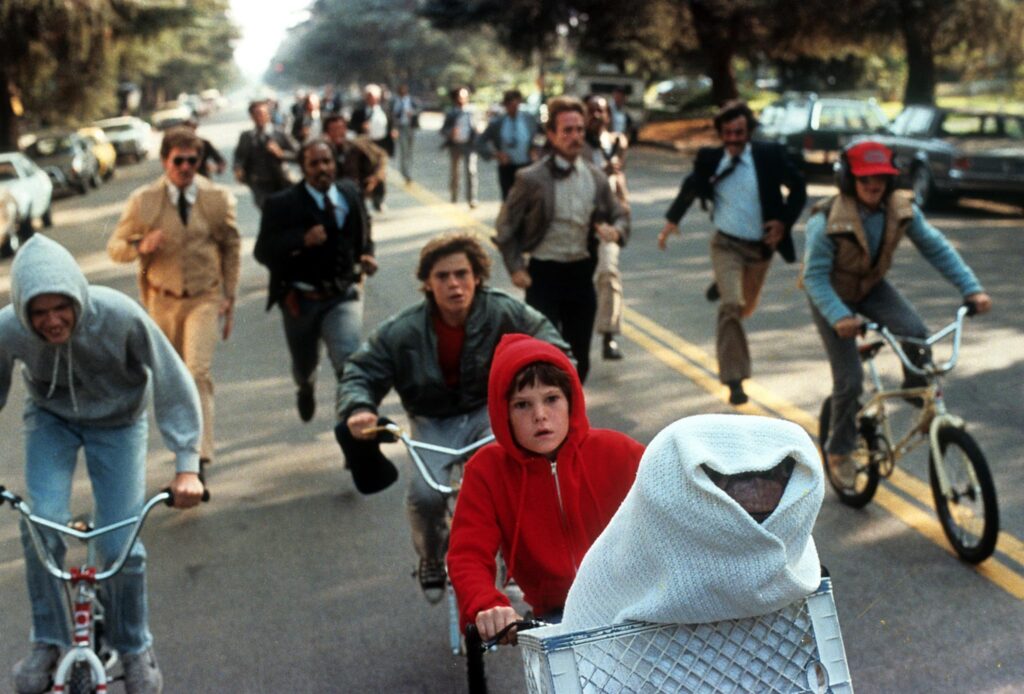
For six years, Spielberg home video refusal was immovable. MCA Home Entertainment begged. Fans wrote letters. Parents probably threatened to boycott Reese’s Pieces. Nothing worked. Spielberg was terrified of piracy, and in 1987 the Motion Picture Association estimated $1 billion in losses to VHS bootlegging. So he held the line, protecting his theatrical masterpiece from becoming a muddy cassette at every flea market in America.
The irony is delicious. Today, movies hit streaming before the popcorn gets cold. But Spielberg home video refusal came from a place of genuine artistic protection. He believed E.T. was a theatrical experience, not something you watched on a 13-inch CRT while rewinding manually. And he wasn’t wrong—the film’s emotional beats hit harder on a big screen with surround sound than on a tape that degraded with every viewing.
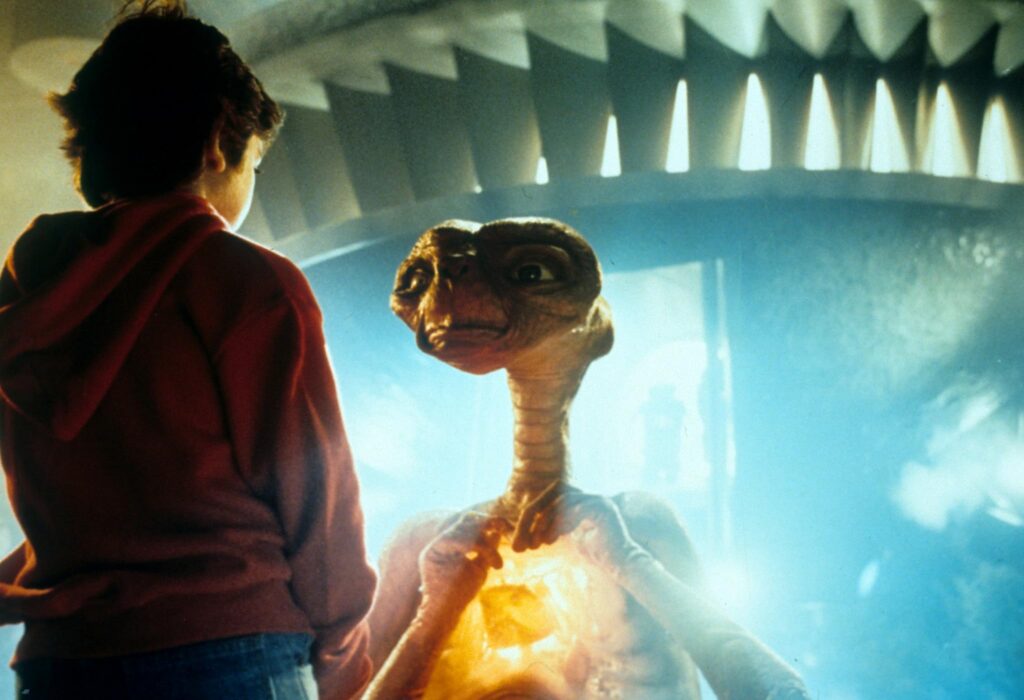
In 1988, Spielberg finally broke. His spokesman told The New York Times that since 1982, he’d been asked three questions constantly: when is E.T. coming to video, will there be a sequel, and what is Michael Jackson really like? “Steven was finally worn down by the world,” the spokesman admitted. The VHS release sold 15 million copies and broke rental records, proving that demand always wins.
The anti-piracy measures were wild. MCA spent over $1 million coloring tape guards green and adding holographic Universal stickers. They even agreed to pull the tape from circulation after six to eight months to preserve theatrical value. Spielberg home video refusal wasn’t just stubbornness—it was a whole strategy, a belief that movies should be events, not background noise.
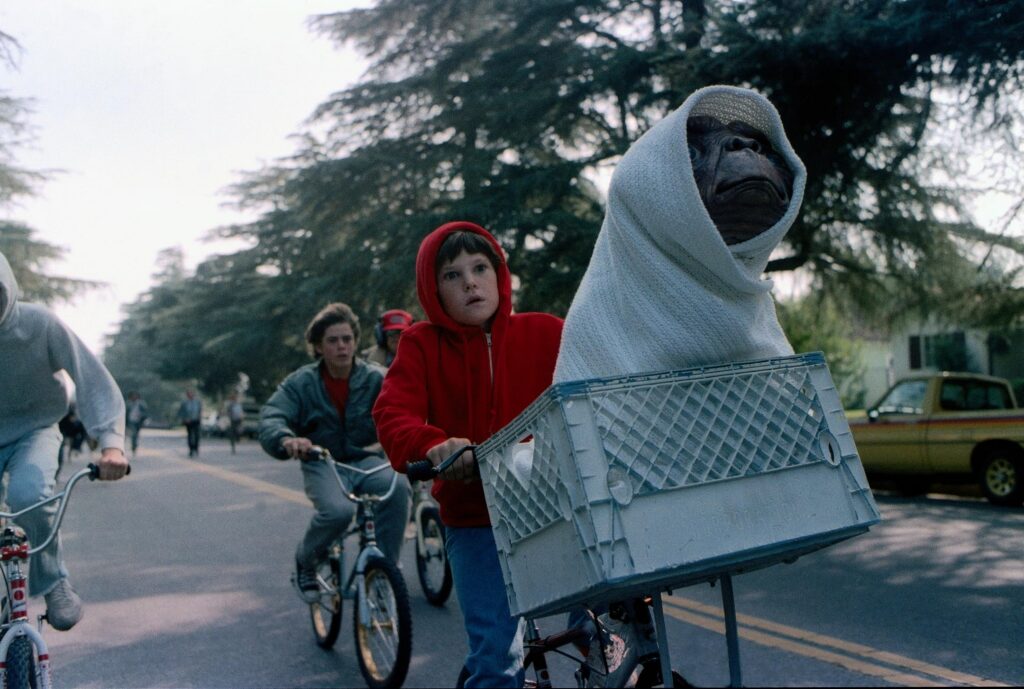
Today, that philosophy is dead. Movies arrive on streaming 45 days after release, and “theatrical window” is just corporate jargon. But Spielberg home video refusal reminds us that there was a time when filmmakers fought to keep their work special, even if it meant leaving money on the table. E.T. deserved the big screen, and Spielberg made sure it got it—for as long as he could.
Rewind to the classics—seek out E.T. on Blu-ray or 4K and experience the alien magic the way Spielberg originally intended.
Also Read: Clint Eastwood Family Is Huge