
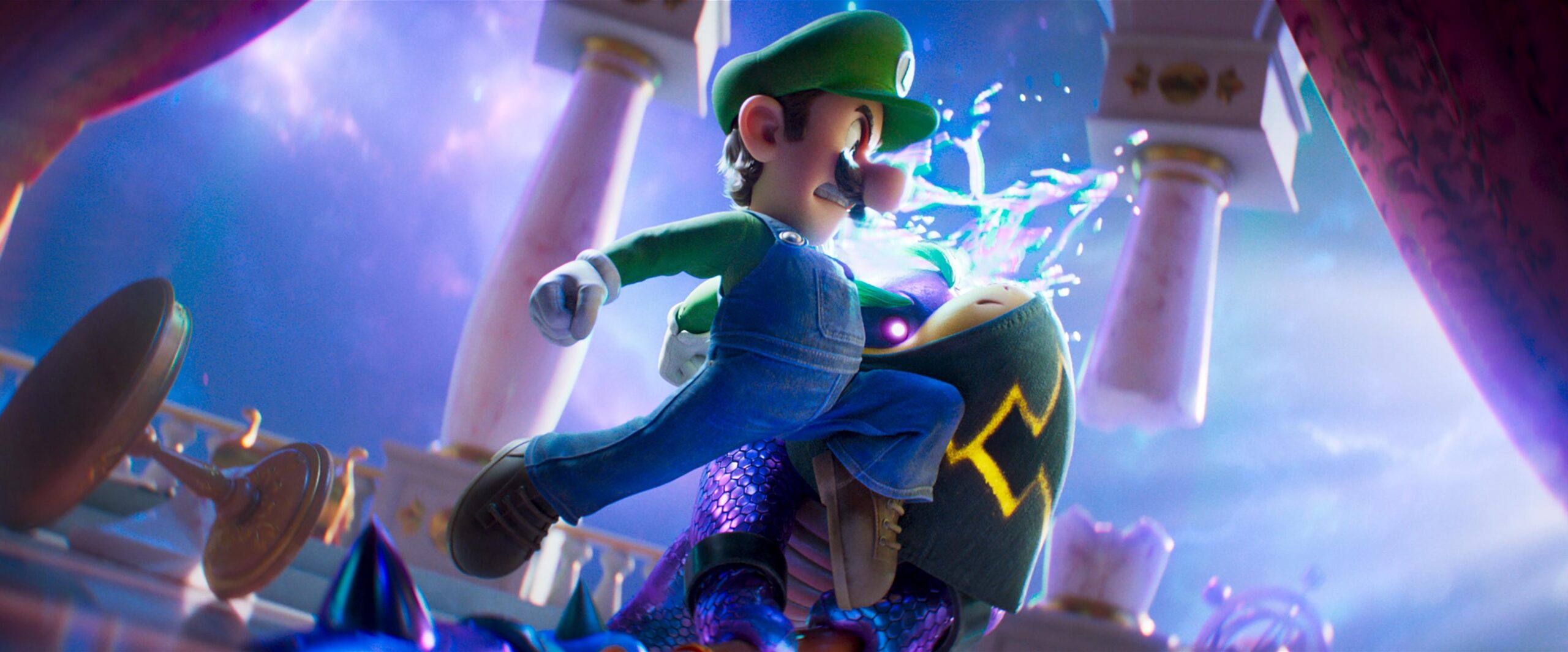
Illumination’s sequel to their 2023 blockbuster arrives in theaters with more Easter eggs than a Nintendo warehouse and less heart than a Goomba stomped by an indifferent plumber. The Super Mario Galaxy Movie, based on the beloved 2007 Wii classic, takes Mario, Luigi, Peach, and the gang to outer space for a cosmic adventure that trades the first film’s brotherly emotional core for a frenetic jumble of references, power-ups, and sensory overload.
The plot sends Mario and company to the cosmos to stop Bowser and his newly introduced son Bowser Jr.—voiced with gleeful menace by Benny Safdie—from capturing powerful stars and conquering the universe. Along the way they meet Rosalina, voiced by Brie Larson, who brings gravitas to a character that is essentially a space witch with a tragic backstory involving a dead mother and a fleet of star-powered ships. They also encounter Yoshi, voiced by Donald Glover in what critics describe as a “Groot-like tone” that works surprisingly well for the usually silent dinosaur.
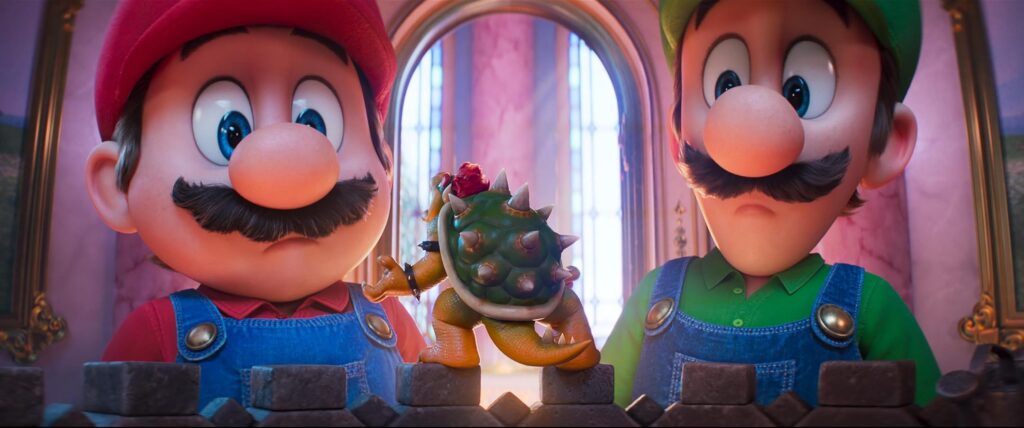
But the star of the show remains Jack Black as Bowser, even if the sequel doesn’t give him enough to do. In the first film, Black’s performance as the lovesick, insecure villain provided the emotional anchor that made the chaos tolerable. Here, saddled with a son and a more straightforward conquest plot, Bowser becomes just another cog in the machinery of eye candy. The fact that Black never gets to sing a song is going to disappoint a galaxy’s worth of fans who came for “Peaches” energy and got villain-of-the-week instead.
The film’s approach to adaptation is scattershot at best. Where the first movie translated the experience of playing a Mario game into cinematic language—simplifying the story to focus on brotherly bonds—Galaxy treats the source material as a checklist of things to include rather than a world to explore. Space stations, gravity mechanics, power stars, and countless background characters appear in blink-and-you’ll-miss-them cameos that serve as Easter eggs for fans but don’t cohere into a compelling narrative.
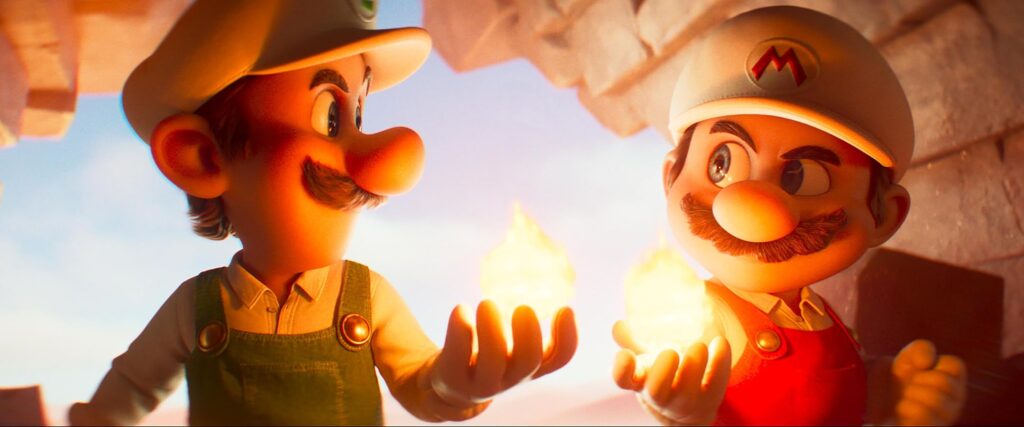
Owen Gleiberman of Variety was particularly scathing, calling the sequel “one of the worst” animated films in recent memory and suggesting it “almost seems like these talented artists have been body-snatched” by Nintendo corporate interests. Wilson Chapman of IndieWire described it as “a mad jumble, an eager product-tie-in mess” that exists primarily to set up future installments in a Super Smash Bros. cinematic universe.
The action sequences, however, are undeniably impressive. Directors Aaron Horvath and Michael Jelenic, returning from the first film, stage elaborate set pieces that recall the inventive chaos of Illumination’s Minions films. Peach and Toad fighting in a casino feels closer to The Matrix sequels than a kids’ movie, and Mario’s encounters with Bowser Jr. have a wuxia-inspired flair that suggests someone on the animation team has been watching Zhang Yimou films. But without an emotional throughline to anchor these sequences, they feel like elaborate distractions rather than meaningful developments.
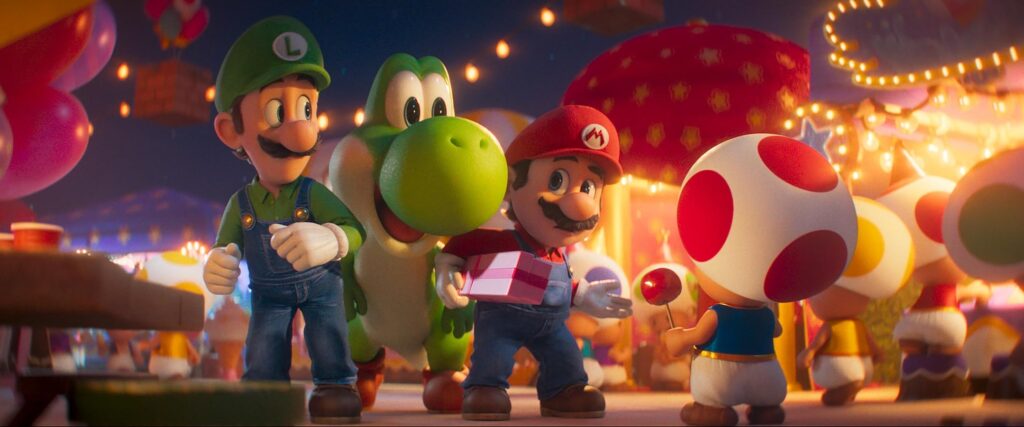
The voice cast remains a highlight, even if they’re given less to work with. Chris Pratt has settled into his Mario voice—a slightly concerned everyman tone that neither offends nor particularly impresses. Anya Taylor-Joy brings determination to Peach, though her character has been upgraded from damsel to warrior without much exploration of what that means for her psyche. Charlie Day’s Luigi continues to be the most relatable character, mostly because he seems as confused by the plot as the audience.
Newcomers include Glen Powell as Fox McCloud, the Star Fox pilot who appears in what amounts to an extended cameo designed to tease future spin-offs. His presence, along with references to other Nintendo properties, confirms that Illumination is building a cinematic universe whether audiences want one or not. The film ends with enough loose threads to justify three more sequels, because that’s how franchises work now.
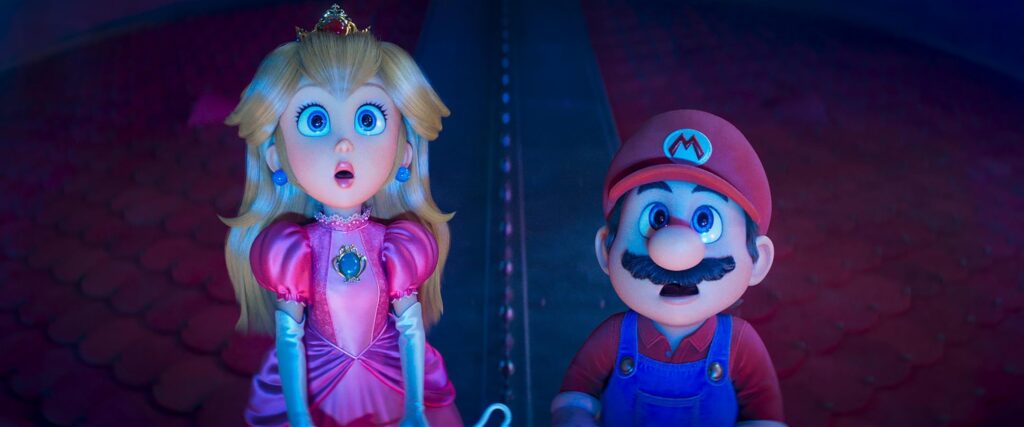
The Super Mario Galaxy Movie is not a disaster. It’s too competently made, too visually polished, too aware of what fans want to be truly terrible. But it is a disappointment, a sequel that mistakes “more” for “better” and loses the simple charm that made its predecessor a surprise delight. Children will enjoy the colors and the noise. Adults will appreciate the references. But anyone looking for the magic of the first film—the emotional truth beneath the platforming—will find it as distant as the galaxies Mario visits.
Make the jump—see The Super Mario Galaxy Movie in theaters now and decide for yourself if the sequel lives up to the original’s legacy.
Also Read: Stephen Colbert Lord of the Rings Shadow of the Past Movie Details Revealed