
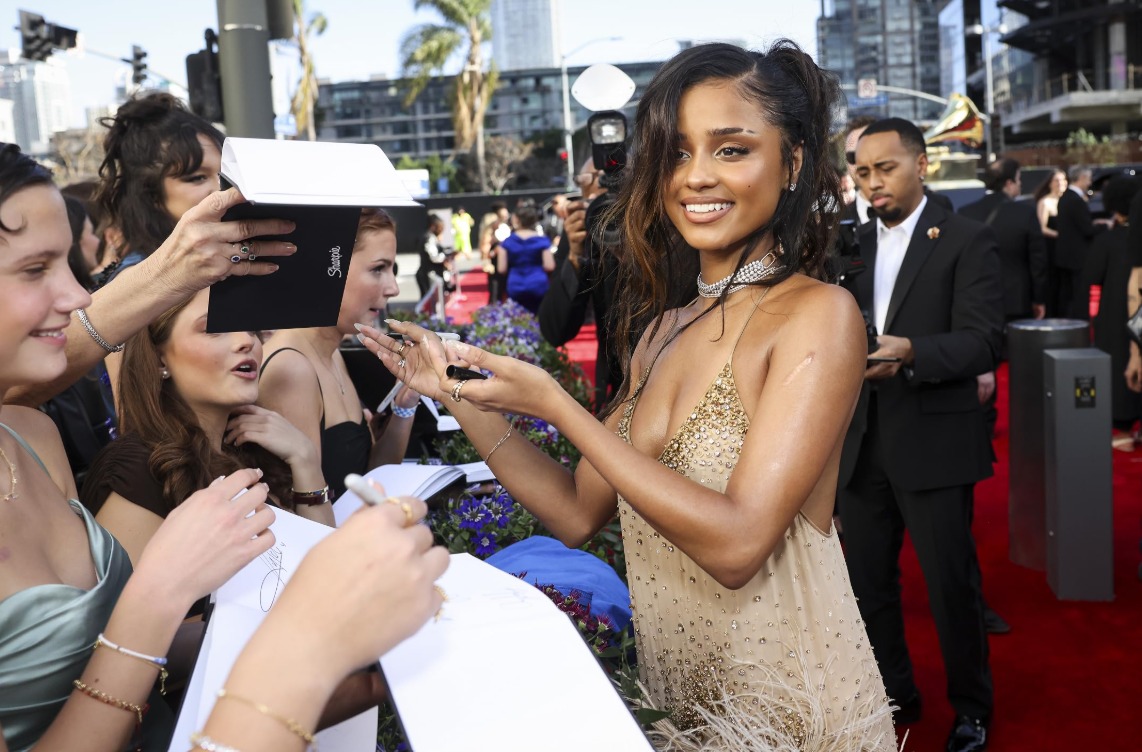
Tyla has become one of the most recognizable young names in pop, but her appeal is not limited to a hit song or a red-carpet look. The singer’s rise has helped bring a wider conversation about Gen Z celebrity style into the spotlight, especially when people compare stars who were in the 21-to-25 age bracket around 2024.
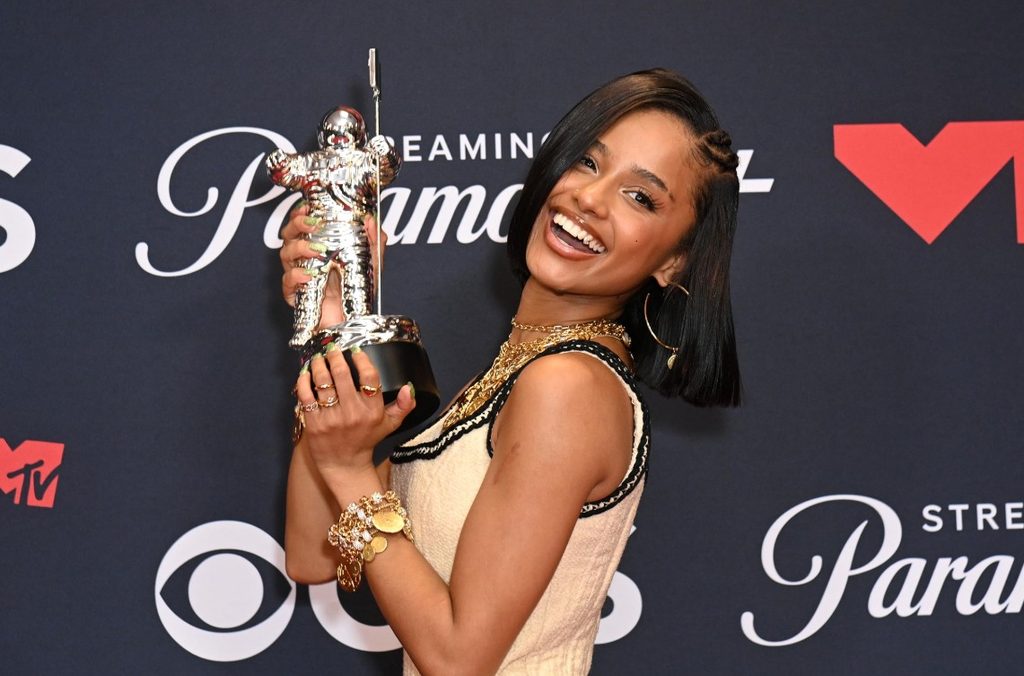
That group includes very different public images. Jenna Ortega became a familiar face through Wednesday and the Scream films, where her dark, sharp styling fits characters who are usually more comfortable with sarcasm than small talk. Sabrina Carpenter moved from Disney Channel beginnings into a major pop career, with Short n’ Sweet turning her playful, polished image into a major part of her music era. Olivia Rodrigo built a different identity through SOUR and GUTS, balancing a rock-influenced sound with a youthful, sometimes messy style.
Madison Beer, Billie Eilish, Halle Bailey, Lily-Rose Depp, Sadie Sink and Rachel Zegler also appeared in the wider conversation around Gen Z stars. Their images are not interchangeable. Beer has moved between glossy pop styling and softer fashion choices, while Eilish became known for oversized clothes before experimenting with more fitted silhouettes. Bailey brought a bright, classic screen presence to Disney’s The Little Mermaid, and Sink became widely recognized through Stranger Things before taking on film roles.
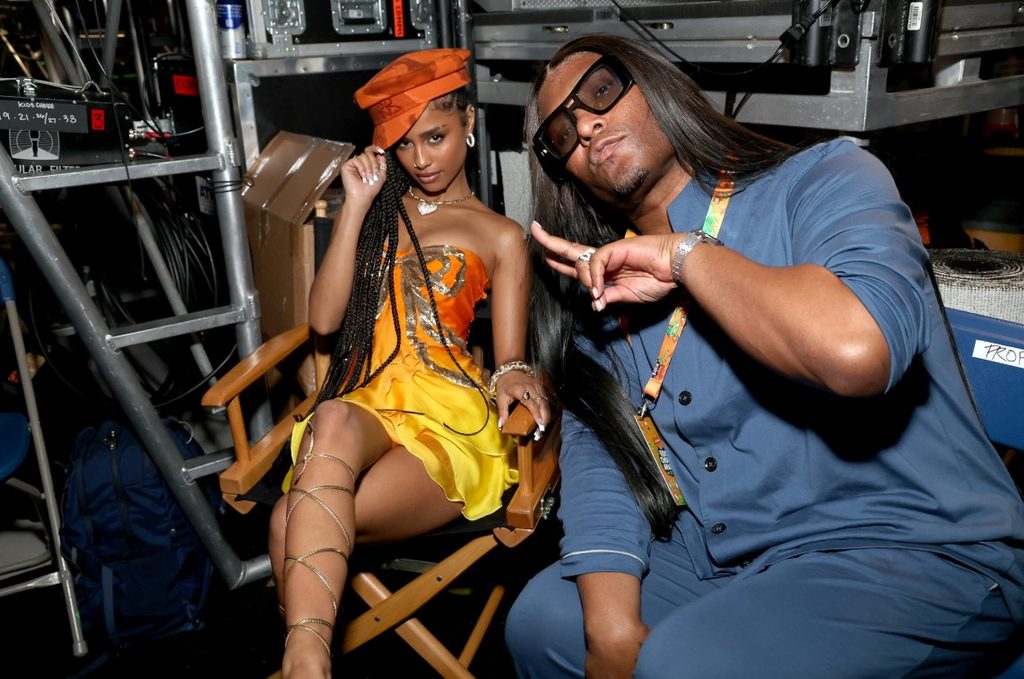
Tyla offers another angle because her fame grew through music with a strong cultural identity. Born in Johannesburg, she broke internationally with Water, a track that brought amapiano rhythms into a global pop setting. At the 2024 Grammy Awards, she won the inaugural Best African Music Performance prize at just 22, becoming a major name beyond South Africa. The success of Water and its dance challenge helped her reach audiences who may not have followed amapiano before.
The beauty debate around these performers also says something about changing taste. The old idea of one dominant Hollywood bombshell has given way to a wider range of styles, from clean makeup and soft fashion to experimental hair, dramatic eyeliner and deliberately casual looks. Social media makes those shifts more visible because celebrities share red-carpet images, concert looks and ordinary photos in the same feed.
That visibility can also create unrealistic comparisons. A polished campaign image may involve professional lighting, makeup, styling and retouching, while a casual photograph is judged as though the conditions were identical. The stars themselves are also changing their looks as they grow older and move between music, acting and fashion work. A ranking based on a particular year can become outdated before the next album or film arrives.
Tyla’s career shows why the discussion should include talent and cultural impact alongside appearance. She is not simply a name in a beauty conversation; she is a Grammy-winning artist who helped bring South African pop sounds to a much larger audience. Ortega, Rodrigo, Carpenter and the others have their own creative achievements that make them recognizable beyond their looks.
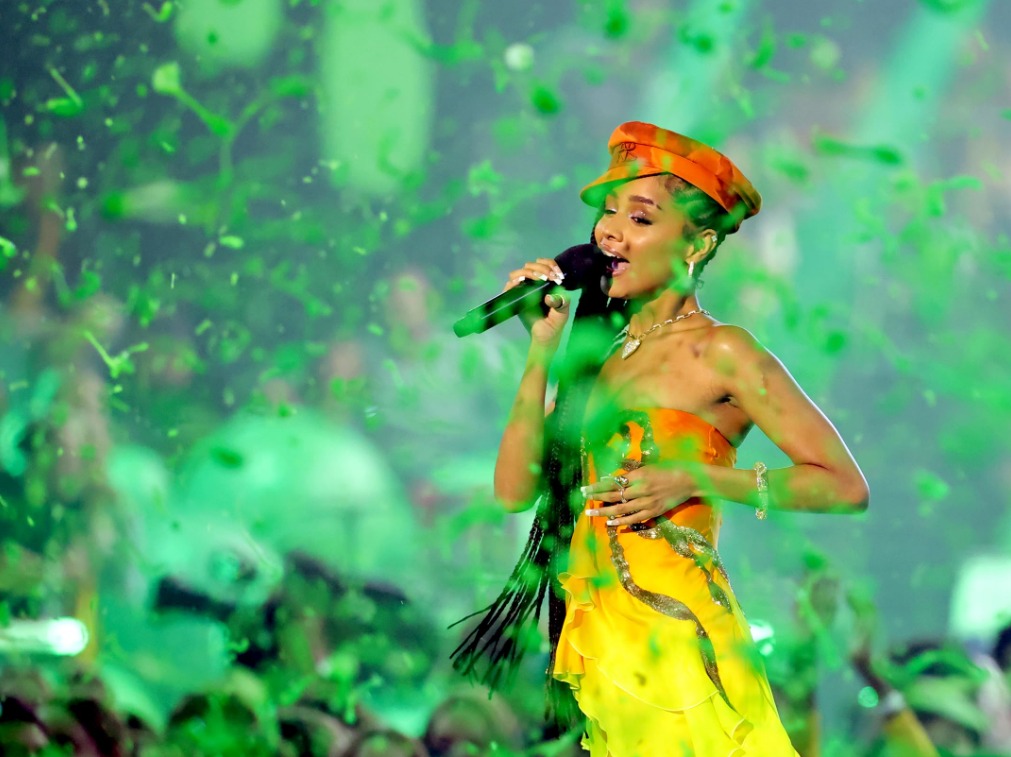
There is no objective winner among Gen Z celebrities, and treating beauty as a contest misses what makes this generation interesting. The better story is how many different styles can succeed at once, without every young star needing to fit the same template.
Also Read: Jensen Ackles Has Some of Hollywood’s Most Memorable Eyes