
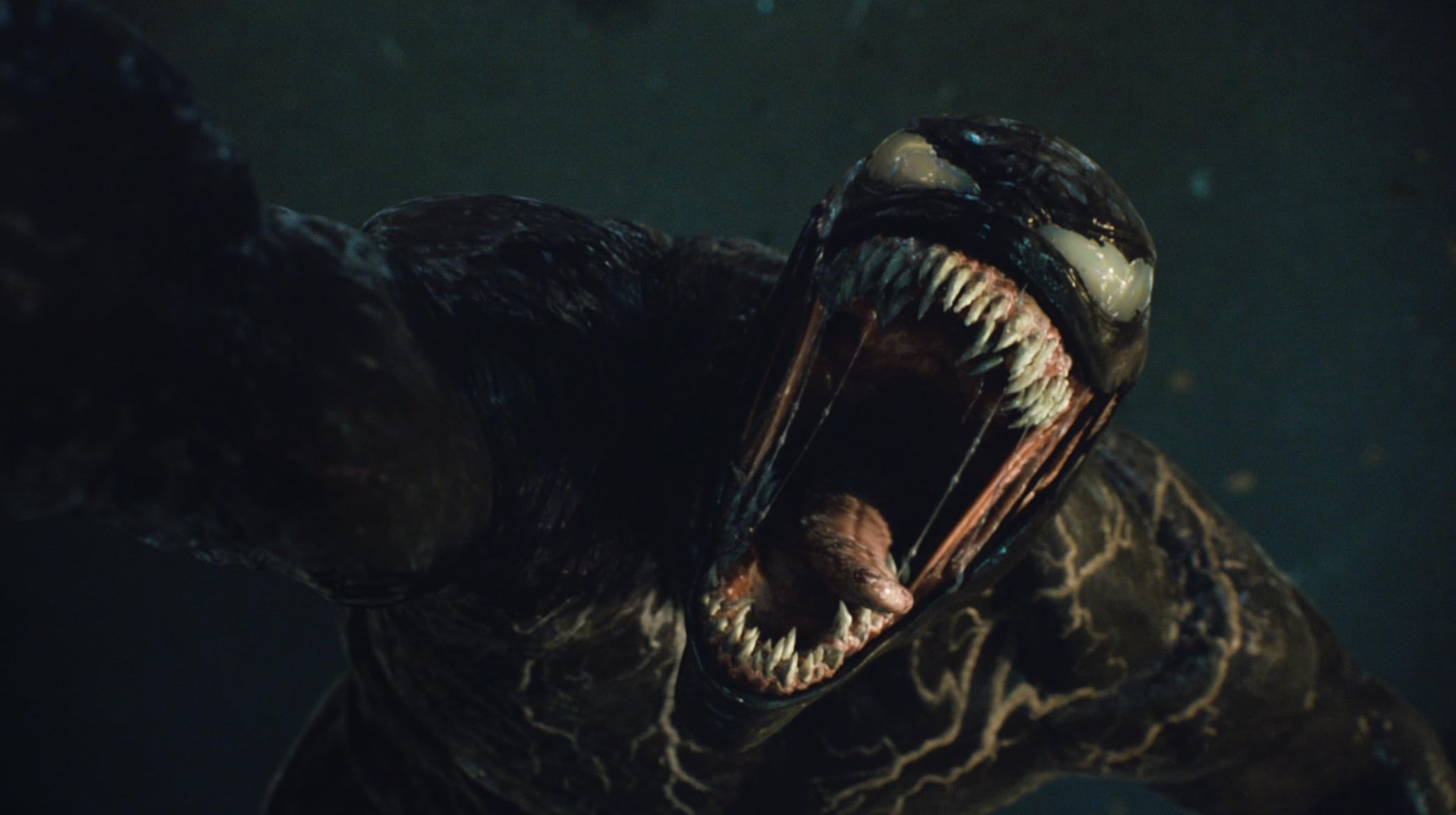
Venom goes animated. Sony Pictures Animation confirmed February 2026 development of standalone Venom animated feature, expanding the Spider-Verse multiverse beyond Miles Morales and Gwen Stacy. The symbiote that consumed Eddie Brock—then abandoned him, then returned, then jumped to Andy Serkis’ Venom films—now gets origin story in the visual style that revolutionized superhero cinema.

Spider-Verse Success
Spider-Man: Into the Spider-Verse (2018) earned $384 million and Best Animated Feature Oscar. Across the Spider-Verse (2023) earned $691 million and became highest-rated superhero film ever (96% Rotten Tomatoes). Beyond the Spider-Verse (2027) is anticipated conclusion. Sony’s animation division, once Hotel Transylvania factory, is now prestige powerhouse.
Venom’s inclusion makes financial and narrative sense. The character appeared briefly in Across the Spider-Verse—alternate universe version, different host, same symbiote. The animated feature explores this iteration, freeing Sony from Tom Hardy’s live-action continuity while maintaining brand recognition.
Visual Possibilities
Venom’s animated potential exceeds live-action. The symbiote’s shapeshifting—tendrils, teeth, mass manipulation—demands CGI in Venom (2018) and Let There Be Carnage (2021). Animation makes it organic: ink-blot transformations, frame-by-frame metamorphosis, Akira-style body horror rendered beautiful.

The Spider-Verse aesthetic—comic panel borders, dot patterns, color shifts per dimension—applies to Venom’s alien nature. Imagine symbiote vision: world rendered in negative, emotions as color waves, host’s psyche as landscape. The visual language exists; Venom provides narrative justification.
Origin Without Eddie
Hardy’s Eddie Brock won’t voice animated version (contractual, not creative). The new host is unannounced—possibly Flash Thompson, possibly original character, possibly multiple hosts across film. The symbiote itself is protagonist: alien consciousness learning human morality through imperfect vessels.
The villain is Knull—god of symbiotes, introduced in comics 2018, cosmic horror entity. Venom: The Last Dance (2024) teased Knull; animated feature delivers. The scale is Spider-Verse meets Lovecraft: interdimensional invasion, god-killing weapons, Venom as reluctant hero because Knull threatens symbiote collective.
Beyond the Spider-Verse
Animated Venom releases between Across (2023) and Beyond (2027), serving as multiverse primer. The symbiote’s dimension-hopping explains Spider-Verse rules; Knull’s threat establishes Beyond stakes. Post-credits scene reportedly features Miles Morales cameo, confirming shared universe.
Villain Protagonist
Venom is antagonist—Spider-Man’s enemy, cannibalistic monster, body-snatcher. Making him sympathetic requires careful writing. Spider-Verse producers Phil Lord and Christopher Miller (executive producers here) solved similar problem with Spider-Ham and Peni Parker: lean into absurdity, find emotional core.
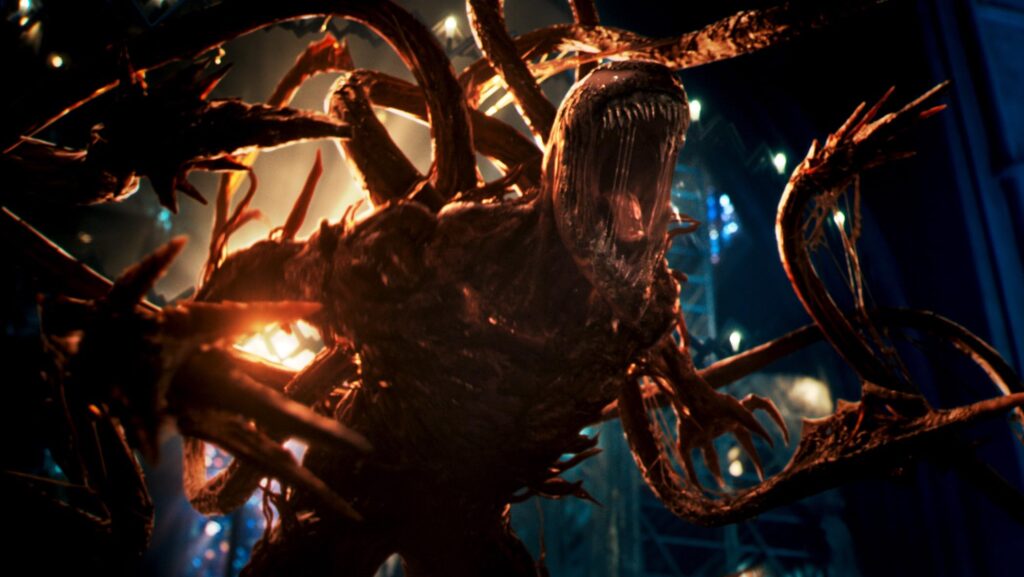
Venom’s core is loneliness. Alien symbiote, rejected by homeworld, seeking connection through hosts, destroying them instead. The tragedy is romantic—Venom wants love, delivers death. Animated format makes this operatic, not grotesque.
Sony’s Spider-Universe
Live-action Venom trilogy concluded 2024. Animated feature begins new chapter—possibly trilogy, possibly Spider-Verse integration, possibly both. Sony’s strategy: multiple continuities, multiple audiences, single brand. The animated Venom targets younger viewers than Hardy’s R-rated films, expanding demographic without diluting edge.
Also Read: The Dreadful: Sophie & Kit’s Gothic Horror Reunion