
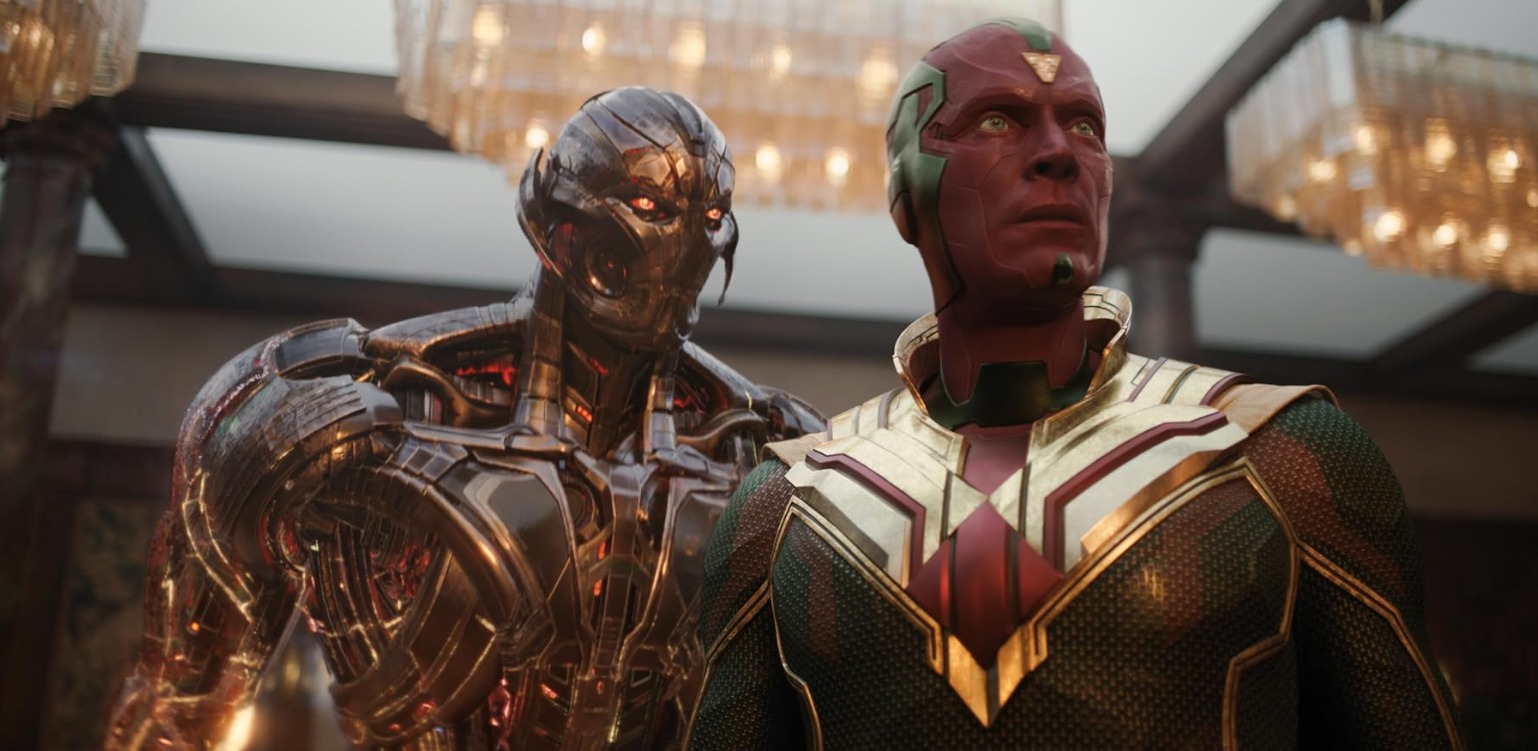
VisionQuest’s first two episodes waste little time reminding viewers that being rebuilt does not mean being whole. Paul Bettany returns as White Vision, a synthezoid carrying the memories of the Vision who loved Wanda Maximoff but without the same emotional connection to those memories. His attempt to work out who he is becomes less abstract when a teenager connected to his missing family needs help, and episode two gives the series its first genuine jolt by killing JARVIS.
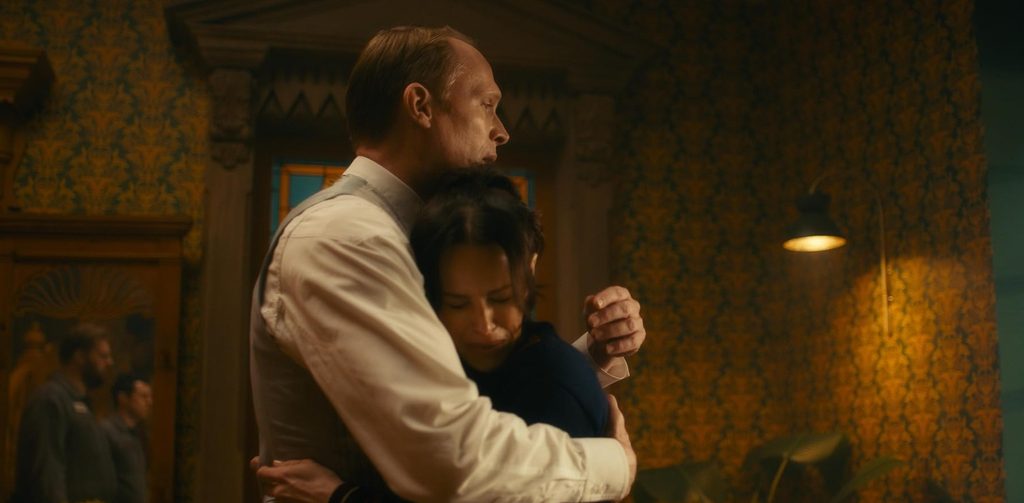
The opening episode, “No Strings,” finds Vision hiding in Edinburgh and trying to understand himself through a digital sanctuary inside his own mind. There he encounters artificial intelligence personas linked to his past, including JARVIS, FRIDAY, EDITH, DUM-E and U. Ultron, voiced again by James Spader, is also trapped inside this mental space, which makes every conversation feel like an appointment with a therapist who would prefer to destroy humanity.
The series clearly enjoys the philosophical side of the setup. If Vision has the memories of the original but lacks the experiences that gave those memories emotional meaning, is he the same person? The question recalls the Ship of Theseus debate from WandaVision, and the new show keeps returning to it.
Then “Theseus” gives Vision something more immediate than a philosophical puzzle. Thomas Shepherd, a troubled teenager who may be connected to Wanda and Vision’s lost son, becomes a target for the bounty hunter Paladin. Thomas is wrestling with memories that do not seem entirely his own, while also showing signs of super-speed that link him to the Young Avengers character Speed. His confusion mirrors Vision’s, but it also gives the plot a more urgent reason to move.
Vision initially treats the boy as a problem he can observe from a distance. That changes when Thomas’s situation becomes dangerous and the connection to Wanda’s past becomes harder to dismiss. Vision chooses to act, setting up an escape and a brutal confrontation with Paladin’s forces. He is damaged during the fight, and JARVIS sacrifices himself to stabilize him, giving the episode a loss that lands harder than another discussion about whether machines can feel.
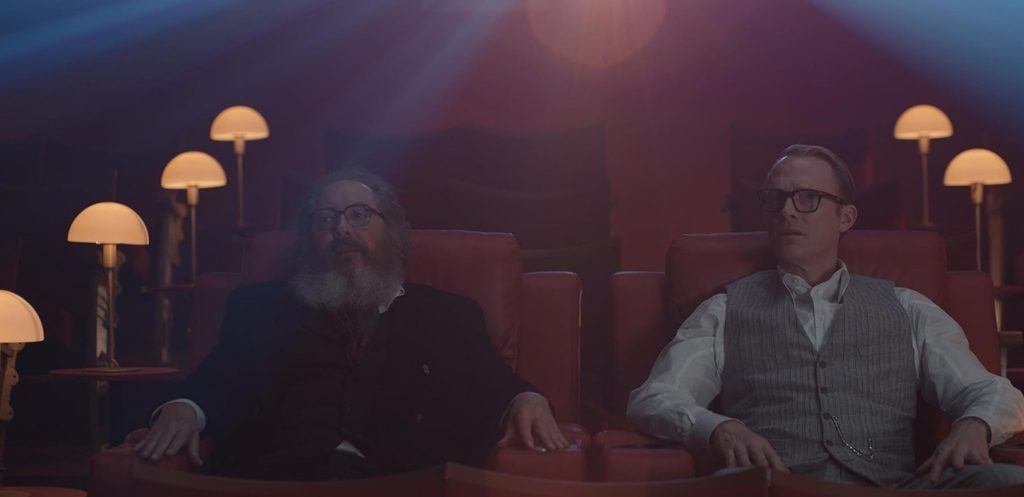
Spader is a particular highlight. Ultron remains manipulative and dangerous, but his exchanges with Vision have a strange warmth, as though the former villain has learned to make his arguments sound reasonable. Bettany plays Vision as colder and more violent than audiences may remember, which gives their scenes a compelling push and pull. You can enjoy the dialogue while still suspecting that Ultron is arranging the board for his own benefit.
The two episodes are not equally strong. The premiere carries a heavy load of setup, callbacks and artificial-intelligence characters that may delight long-term Marvel viewers but overwhelm newcomers. Episode two is more effective because the themes produce consequences instead of remaining a series of clever conversations.
VisionQuest is the final part of the trilogy that began with WandaVision and continued through Agatha All Along. Its opening chapters suggest the real question is not whether Vision remembers who he used to be, but whether he can become someone through the choices he makes now. JARVIS’s sacrifice gives that question a cost, and the series is more compelling once it stops talking and starts acting.
Also Read: Can The Greatest Show Muhammad Ali Beyond the Ring?