
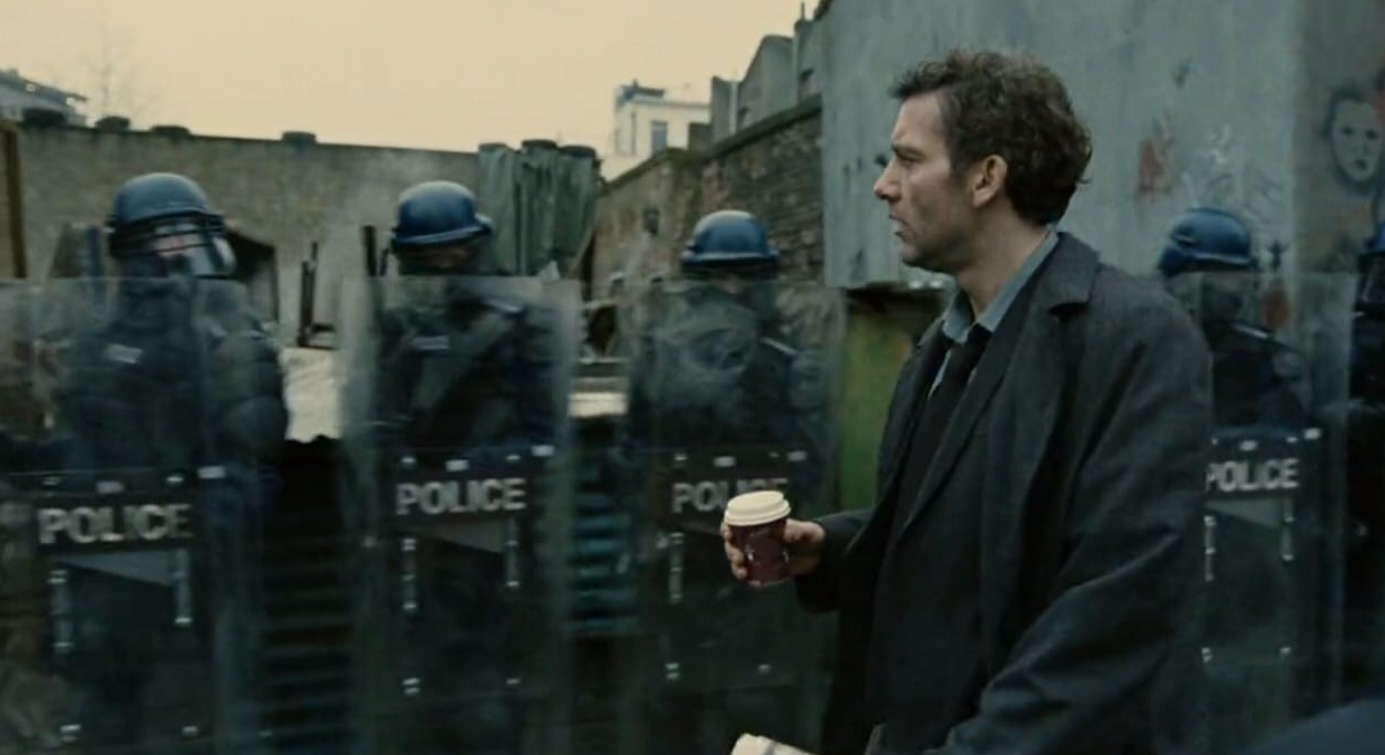
Children of Men has the kind of science-fiction premise that stays with you long after the credits: humanity has become infertile, the youngest person alive is eighteen, and society is collapsing under the weight of a future that may not exist. It is not the biggest space opera or the flashiest time-travel puzzle, but it shows why thoughtful sci-fi can feel more frightening than a monster from another galaxy.
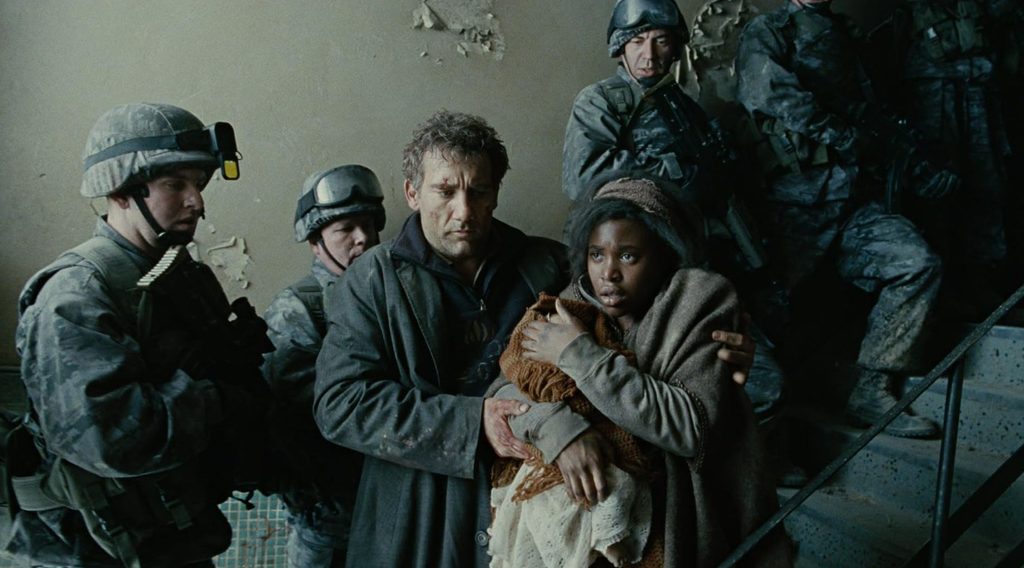
Alfonso Cuarón’s 2006 film follows Theo Faron, played by Clive Owen, a weary former activist living in a Britain hardened by political violence, refugee crises and authoritarian control. When his former partner Julian, played by Julianne Moore, asks him to help protect Kee, a young refugee who is pregnant, Theo becomes responsible for something the world has nearly stopped believing is possible: a future generation.
That setup makes Children of Men a useful recommendation for anyone who wants science fiction built around ideas rather than gadgets. The film imagines a world where infertility has become a global disaster, but its details feel painfully ordinary. Streets are crowded with propaganda, security checkpoints interrupt everyday life, and people who have been displaced are treated as problems to be contained rather than human beings to be helped. The technology is not the star. The society using it is.
Cuarón’s direction makes the setting feel lived in, particularly through the film’s long tracking shots. A car ride turns into a sudden ambush, and a military confrontation unfolds with a camera that seems to be trapped beside the people trying to survive. These sequences do not simply look impressive. They make the viewer feel unable to step away, which suits a story where every pause could be fatal.
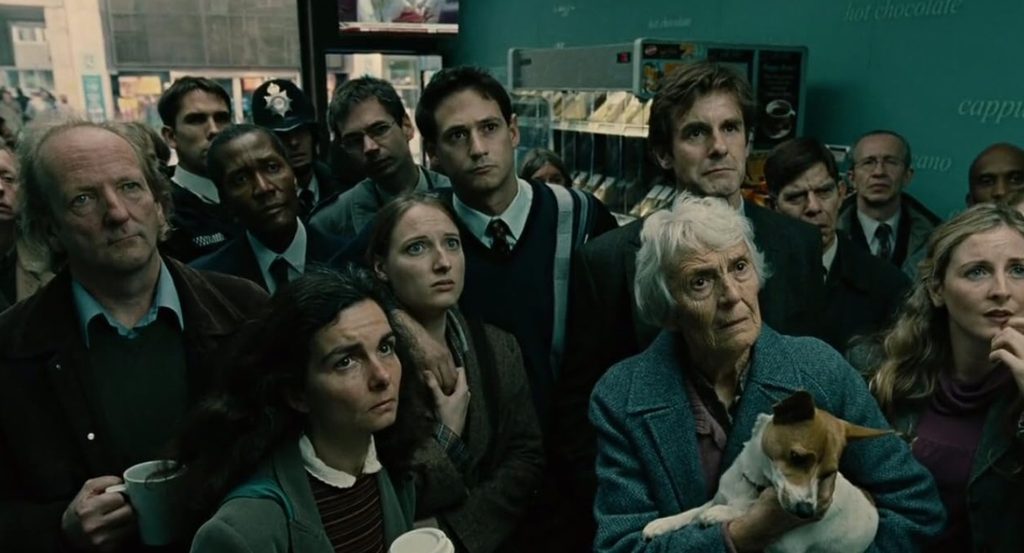
The film also works because its hope is fragile. Kee’s pregnancy does not magically repair the world, and Theo is not transformed into a perfect hero the moment he learns the truth. He remains tired, frightened and uncertain, which makes his decision to help her more meaningful. In Children of Men, courage is less about believing everything will work out and more about doing the next difficult thing when there is no guarantee.
That combination places it alongside other science-fiction favorites with very different approaches. Arrival uses an alien encounter to explore language and grief. Ex Machina turns an experiment with artificial intelligence into a tense battle of manipulation. Edge of Tomorrow makes a time loop into a battlefield strategy, while Minority Report imagines a justice system built around crimes that have not happened yet. Annihilation lets its science-fiction mystery become a meditation on change and self-destruction.
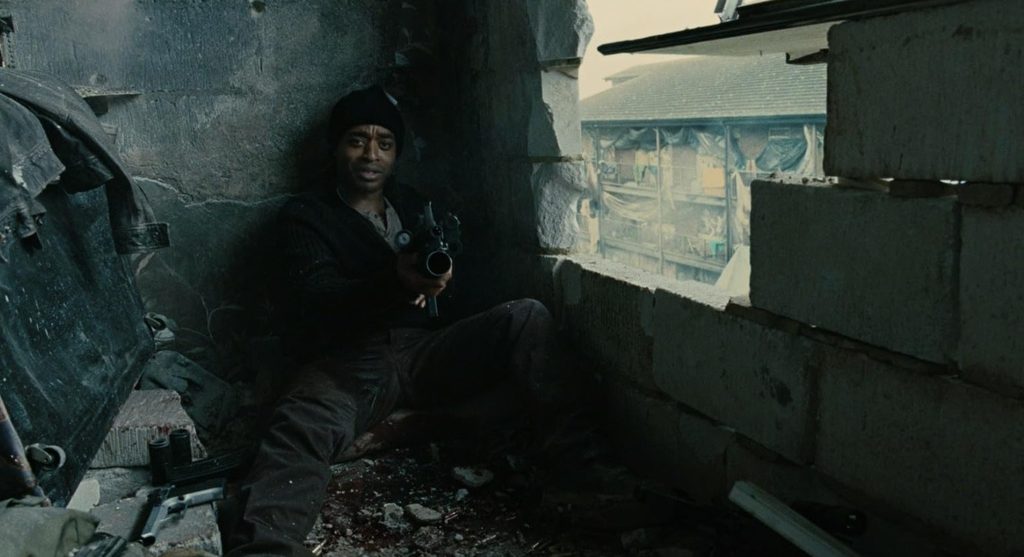
Still, Children of Men remains a particularly strong starting point because its speculative idea changes everything without making the story feel remote. It asks how people behave when tomorrow stops looking possible, then gives that question a human face.
If your sci-fi watchlist needs one film that combines world-building, suspense and emotional weight, put Children of Men near the top. Its future is bleak, but the reason it works is that hope never becomes a cheap special effect.
Also Read: Alden Ehrenreich Names Weapons’ Bar Scene His Favorite