
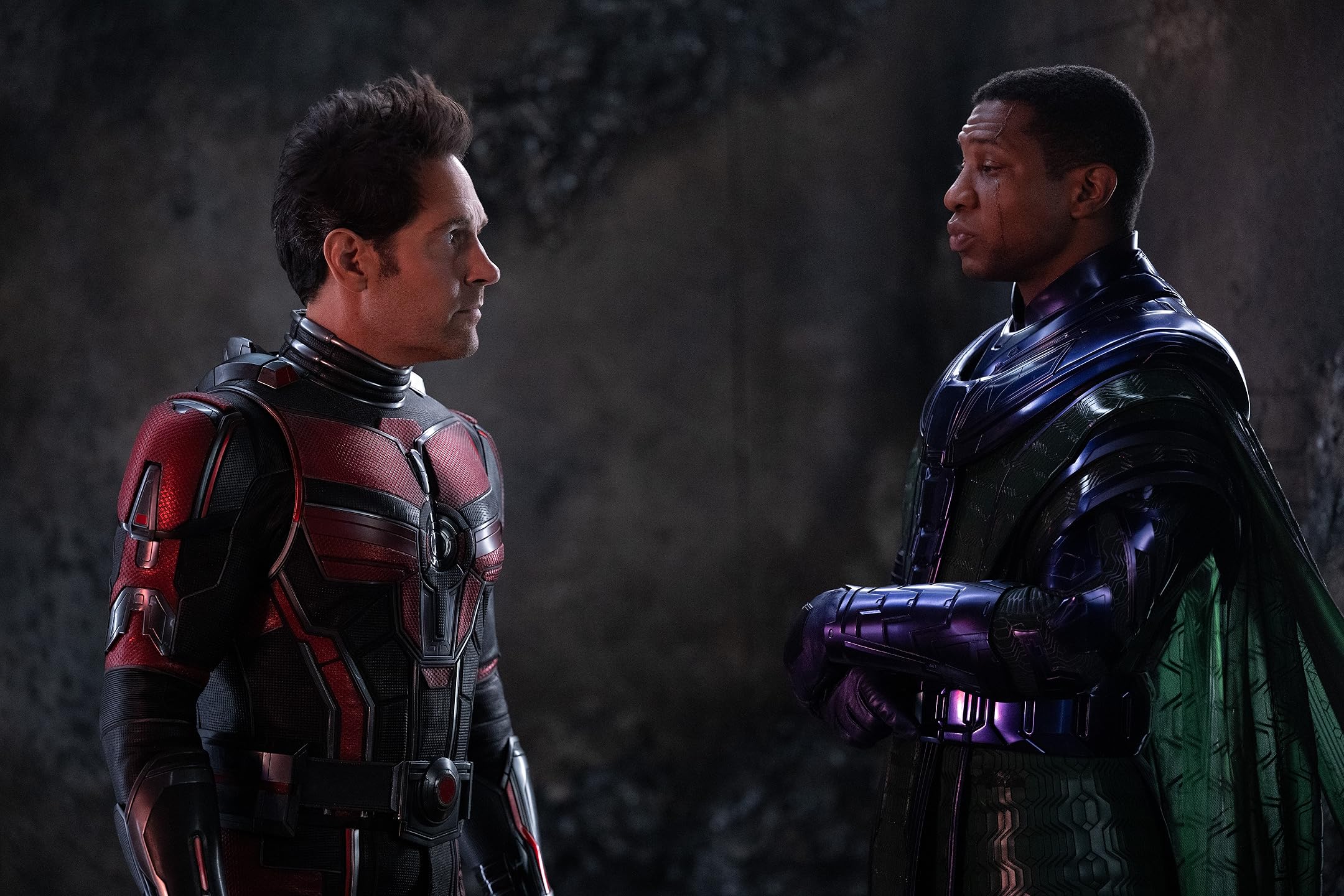
Few films in the Marvel Cinematic Universe’s history have inspired the level of head-scratching collective contempt that Ant-Man and the Wasp: Quantumania continues to generate. Released in February 2023, the third Ant-Man film was supposed to be a launching pad for Phase 5 — an ambitious pivot toward a new, Kang-the-Conqueror-shaped era. Instead, it became a reference point for everything critics argued was going wrong with Marvel at the time. Years later, fans are still debating whether that reputation is entirely deserved.
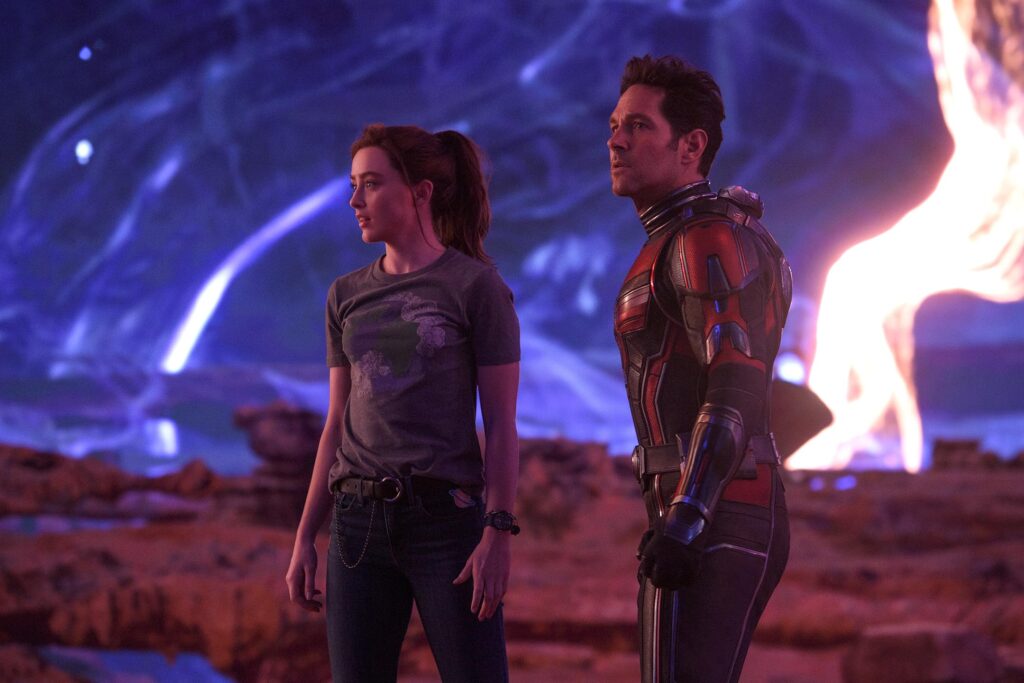
So what exactly went wrong? And was it actually as bad as people say?
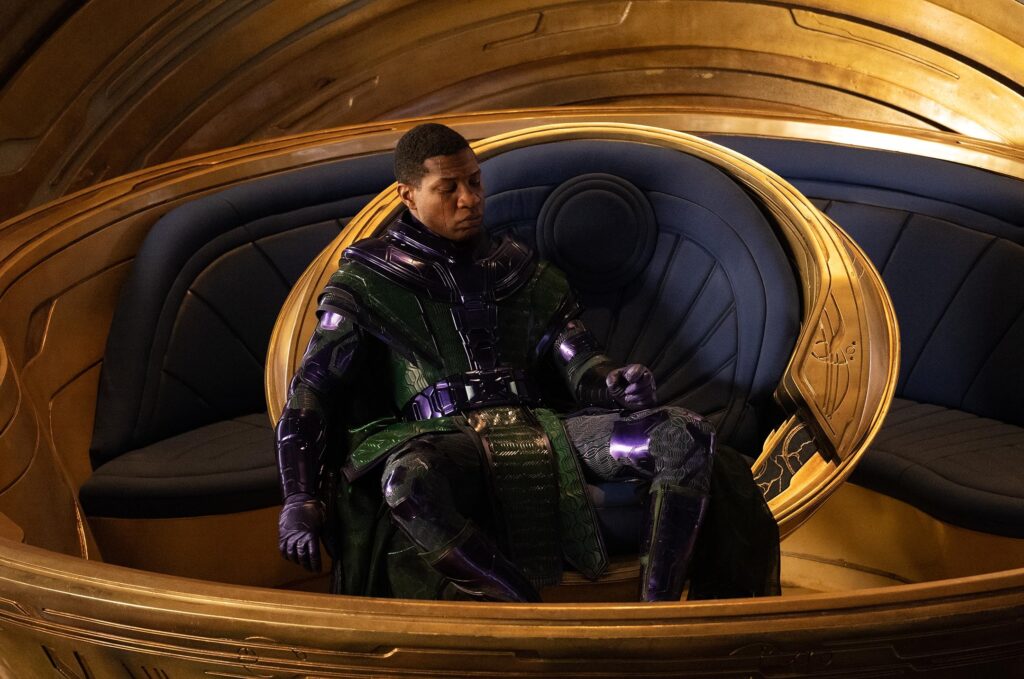
The film’s core concept was genuinely interesting on paper. Taking the goofy, charming Scott Lang — the everyman superhero played with effortless likability by Paul Rudd — and throwing him headfirst into a surreal, dangerous, high-stakes cosmic conflict felt like it had real potential. The Quantum Realm, previously glimpsed as a visual curiosity in the earlier films, was now a full setting. And Jonathan Majors, introduced as the time-bending Kang the Conqueror, was by any measure one of the most compelling villain presences the MCU had introduced in years.
The problems, in the view of its critics, were largely structural. The script, written by Jeff Loveness, was accused of losing the specific texture that made the original Ant-Man films work so well. The first two movies were light, heist-flavored comedies with modest stakes — they were the palate cleansers of the MCU, and they were beloved for it. Quantumania tried to take that same character and drop him into something that felt closer to an Avengers film in scope without adequately building the emotional scaffolding to make it feel earned.

The writing left Kang’s threat frustratingly vague. Audiences who had not followed Loki on Disney+ were left without critical context for understanding what Kang actually wanted or why it mattered. And the film’s climax — which involves Kang being defeated, in part, by a swarm of ants — did not do the character’s fearsome reputation any favors.
The reception was genuinely damaging by MCU standards. Critics gave it a score in the high 40s on Rotten Tomatoes, among the lowest in franchise history, while CinemaScore’s audience grade came in at B — well below the A-range scores Marvel films had historically been able to count on. The second-weekend box office drop was nearly 70%, indicating that initial curiosity quickly failed to convert into enthusiasm. Its total global run finished around $476 million — lower than both of its predecessors and representing a significant step back for a franchise that had been a reliable performer.
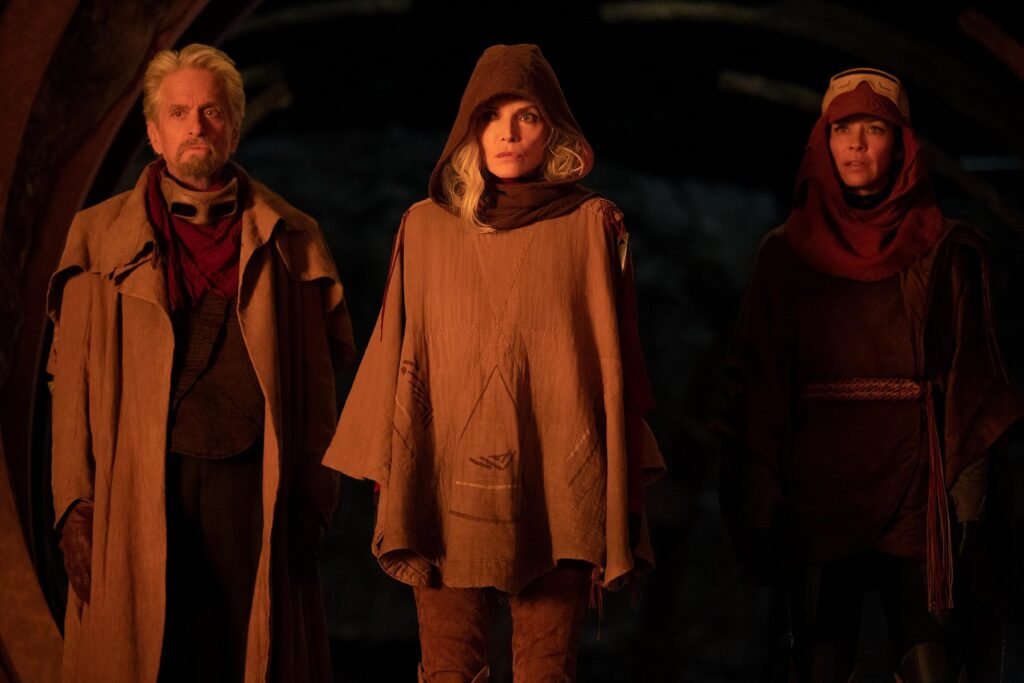
Loveness himself acknowledged the difficulty of the reception in subsequent interviews, expressing both surprise and disappointment at the critical response while defending the creative intentions behind the project.
Here is where it gets interesting, though: not everyone agrees that Quantumania is bad. A meaningful portion of the audience — particularly those who watched it on streaming after the discourse had settled — found it to be a perfectly watchable, occasionally fun film with real highlights. Majors’ performance is almost universally praised. The visual design of the Quantum Realm, whatever its storytelling problems, is genuinely inventive. And the film’s attempt to push Rudd’s character into unfamiliar dramatic territory, however imperfectly executed, represented at least an effort to do something different.
The consensus seems to be less that Quantumania is aggressively terrible and more that it is a case of ambition outrunning execution — a film that aimed for the stars and landed somewhere around the clouds. In the context of an MCU that was still finding its footing in the post-Endgame era, that gap between intention and delivery felt bigger than it might have in a different moment.
Whether history rehabilitates it or leaves it in the lower tiers of MCU rankings is another question. For now, Quantumania remains the film that everyone argues about — which is, if nothing else, a more interesting legacy than simply being forgotten.Share
Also Read: The Jackass Poster Says It All