
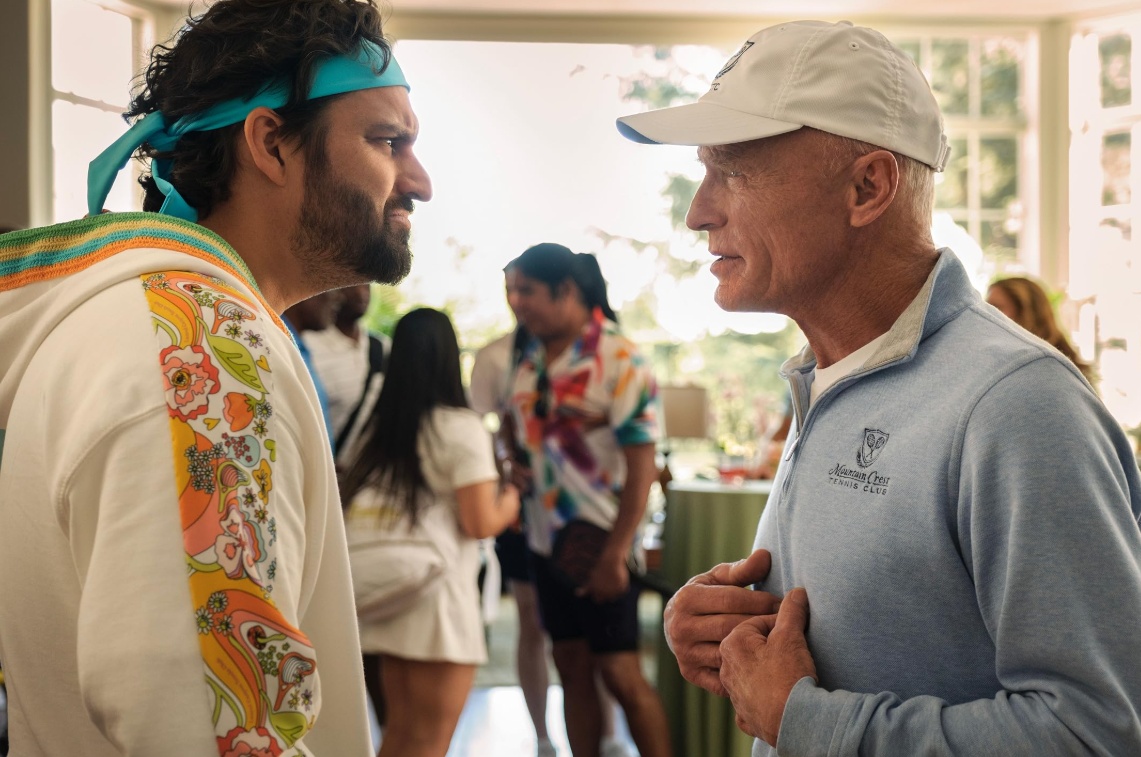
There is a special kind of betrayal that happens when a movie claims to represent your entire hobby and then completely botches it. The Dink has achieved that rare honor. Actual pickleball players have watched this movie, and their verdict is unanimous. It is not a pickleball movie. It is an unfunny comedy that happens to feature pickleball for about fifteen total minutes, and even those minutes are embarrassing to watch.
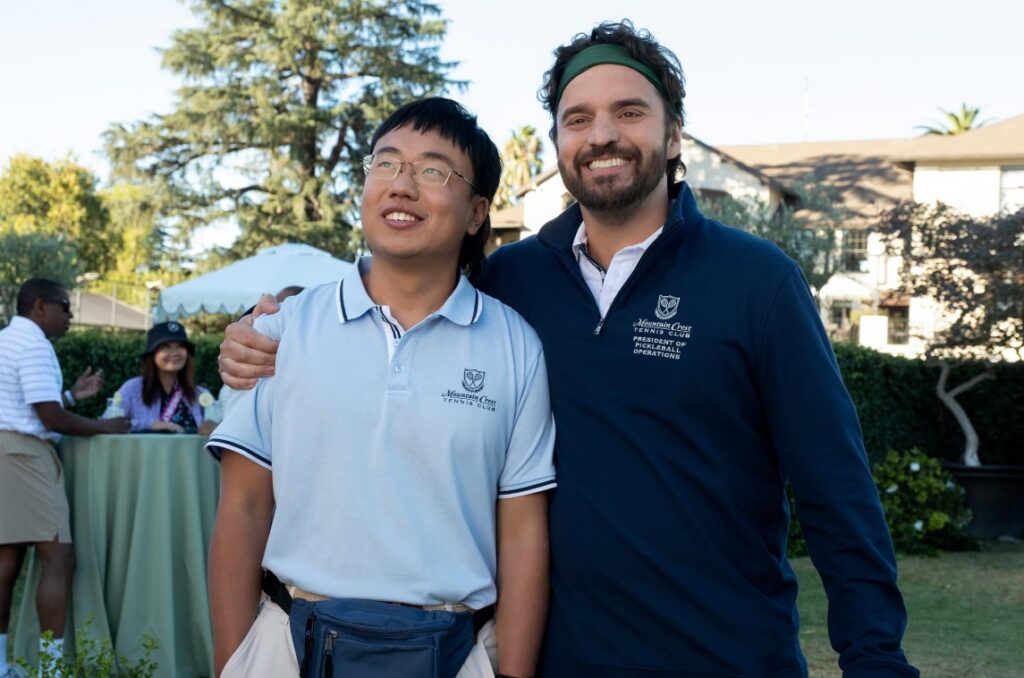
The marketing promised a high-energy sports comedy about the battle between tennis purists and pickleball enthusiasts. What The Dink delivers is a meandering character study where the protagonist plays pickleball because his doctor tells him to, falls in love with a woman twice his age, and generally mopes around a country club for ninety minutes. The sport that was supposed to be the entire hook becomes an afterthought. For a community that has been waiting for mainstream representation, The Dink feels like a cruel joke played by people who have never stepped onto a court.
The worst part is how little The Dink understands the actual game. The matches are filmed with all the excitement of a corporate training video. The rules are treated as a punchline rather than a mechanic. The players are either ancient caricatures or smug tennis bros, with nothing in between. If you have ever actually played pickleball, watching The Dink is like watching a movie about cooking where nobody knows how to hold a knife. The dink shot itself, which is a legitimate and difficult technique, is used as a title without any understanding of what it means.
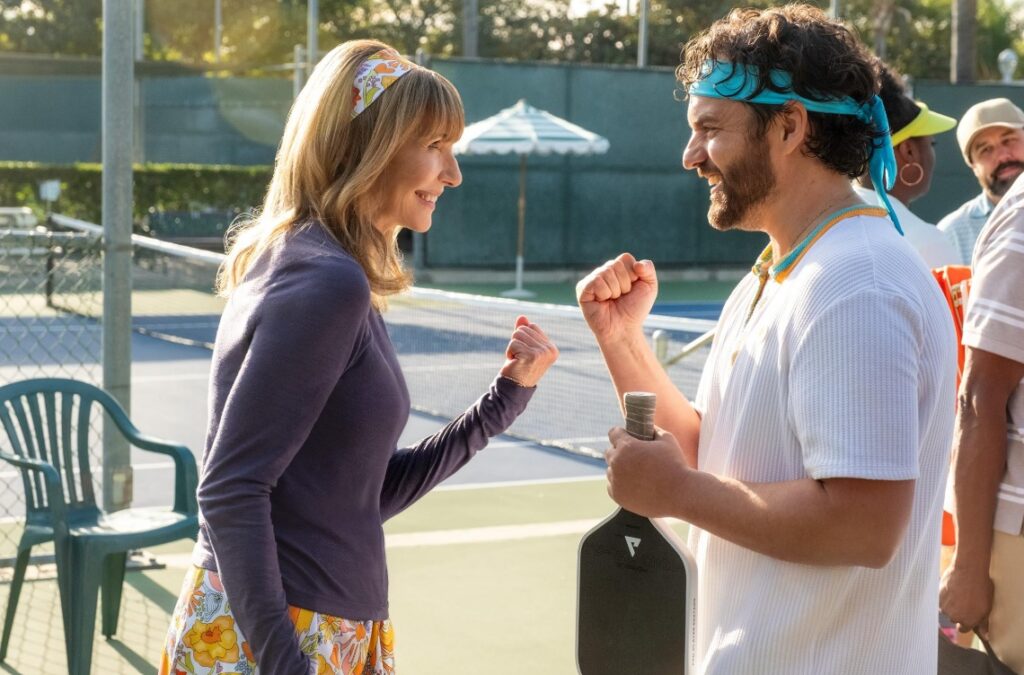
Jake Johnson seems aware that the material is beneath him, which is probably why his performance has the energy of a man waiting for his parking validation. Ed Harris plays his father with the enthusiasm of someone who read the script once and immediately booked a vacation. Mary Steenburgen does her best with a romance that the movie doesn’t earn. Aaron Chen as PJ gets a few laughs, but the movie treats him like a weird sideshow instead of an actual character with something to contribute.
What stings most is the missed opportunity. Pickleball is the fastest-growing sport in America. It has drama, rivalries, and genuinely interesting culture clashes built right in. The Dink had access to all of this and chose to make a movie about a sad man learning to accept his failures while occasionally holding a paddle. That’s not a sports comedy. That’s a therapy session with product placement, and it wastes the talent of everyone involved.
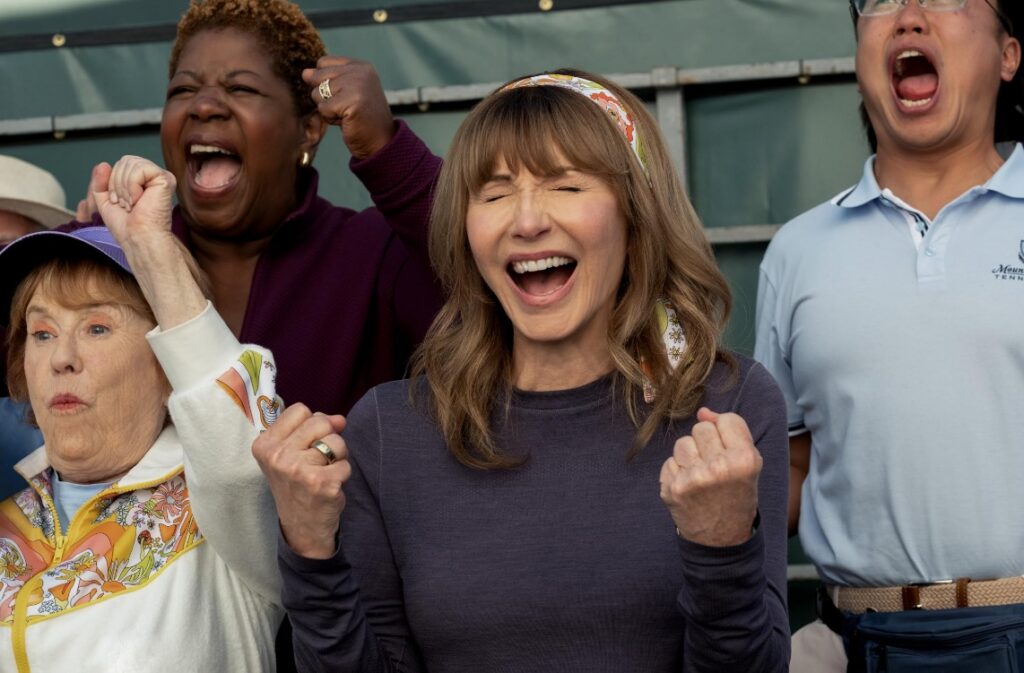
The Dink will not damage pickleball’s reputation because the sport is too big for one bad movie to hurt it. But it will damage the reputation of everyone involved. When your movie is so disconnected from its own subject that the actual community rejects it entirely, you have made a very specific kind of failure. The Dink isn’t just bad. It’s a cautionary tale about what happens when Hollywood discovers a trend and immediately misunderstands it.