

If you watched Wonder Man and felt like something was different—like the show wasn’t trying to sell you ten other movies or remind you of a cinematic universe spanning thirty films—you weren’t imagining things. You were witnessing Marvel Spotlight in action, the studio’s attempt to prove that not every superhero story needs to end with a portal in the sky.
Wonder Man is only the second project released under the Marvel Spotlight banner, following 2024’s Echo, but it’s the first live-action series to fully embody what this label promises: grounded, character-driven stories that prioritize human stakes over cosmic ones. According to Marvel Television head Brad Winderbaum, Spotlight exists to bring “more grounded, character-driven stories to the screen.” Translation: you can watch this without having seen seventeen other movies, and nothing will explode in the final act except maybe someone’s career.
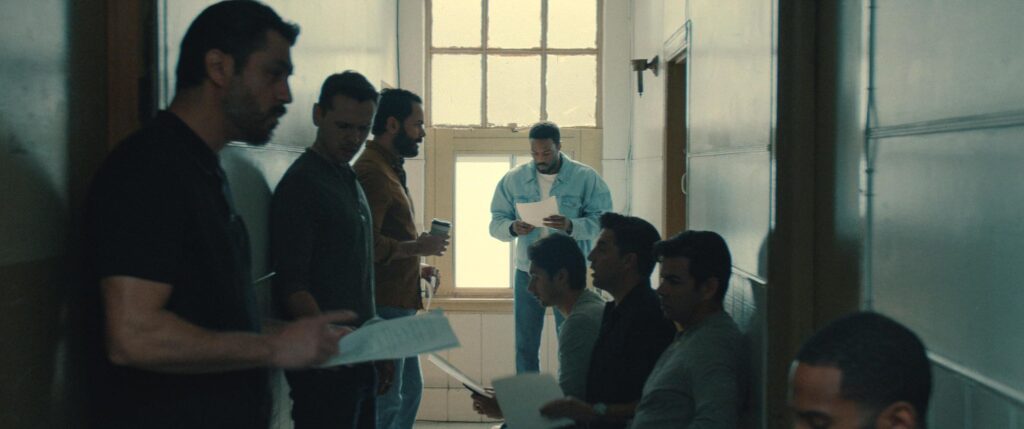
The banner takes its name from a 1971 comic anthology series where characters like Ghost Rider and Spider-Woman first appeared—stories that stood alone without requiring encyclopedic knowledge of continuity. Wonder Man applies this philosophy to the MCU’s television arm, focusing on Simon Williams’ struggles as an actor rather than his potential to punch aliens. There are no Avengers cameos. No post-credits scenes teasing the next multiversal threat. Just eight episodes about a guy trying to book a role while hiding the fact that he can shoot ionic energy from his hands.
This approach represents a significant shift for Marvel’s streaming strategy. Previous Disney+ series were essentially long-form movies, designed to feed into the larger cinematic universe with crossover characters and plotlines that demanded homework. WandaVision required knowledge of Endgame. Loki required knowledge of the Time Heist. Falcon and the Winter Soldier required… well, patience for a lot of government conspiracy subplots.
Wonder Man requires none of that. You don’t need to know who Trevor Slattery is, though it helps. You don’t need to understand the Doorman Clause’s legal ramifications. You just need to understand what it’s like to want something badly and fear you’re not good enough to get it. The Spotlight banner exists precisely for these intimate stories—the ones that get lost when every narrative has to serve a larger saga.

The show’s 91% Rotten Tomatoes score and strong audience reception suggest this gamble paid off. Critics praised it as “a low-stakes breath of fresh air” and “the most powerful Marvel stories aren’t about saving the world, but about learning how to live in it.” By focusing on Hollywood satire, friendship, and personal growth rather than universe-ending threats, Wonder Man proved that smaller can be better.
Marvel Spotlight isn’t a demotion; it’s a distinction. It’s the studio acknowledging that not every character needs to fight Thanos to matter. Sometimes the most heroic thing you can do is show up to an audition, sign the contract, and believe you deserve to be there. Simon Williams doesn’t save the world in Season 1. He saves himself. And under the Spotlight banner, that’s more than enough.
Discover the difference—stream Wonder Man on Disney+ and see why Marvel Spotlight is the future of grounded superhero storytelling.
Also Read: Wonder Man Gets a Second Season Because Hollywood Can’t Quit Simon Williams