
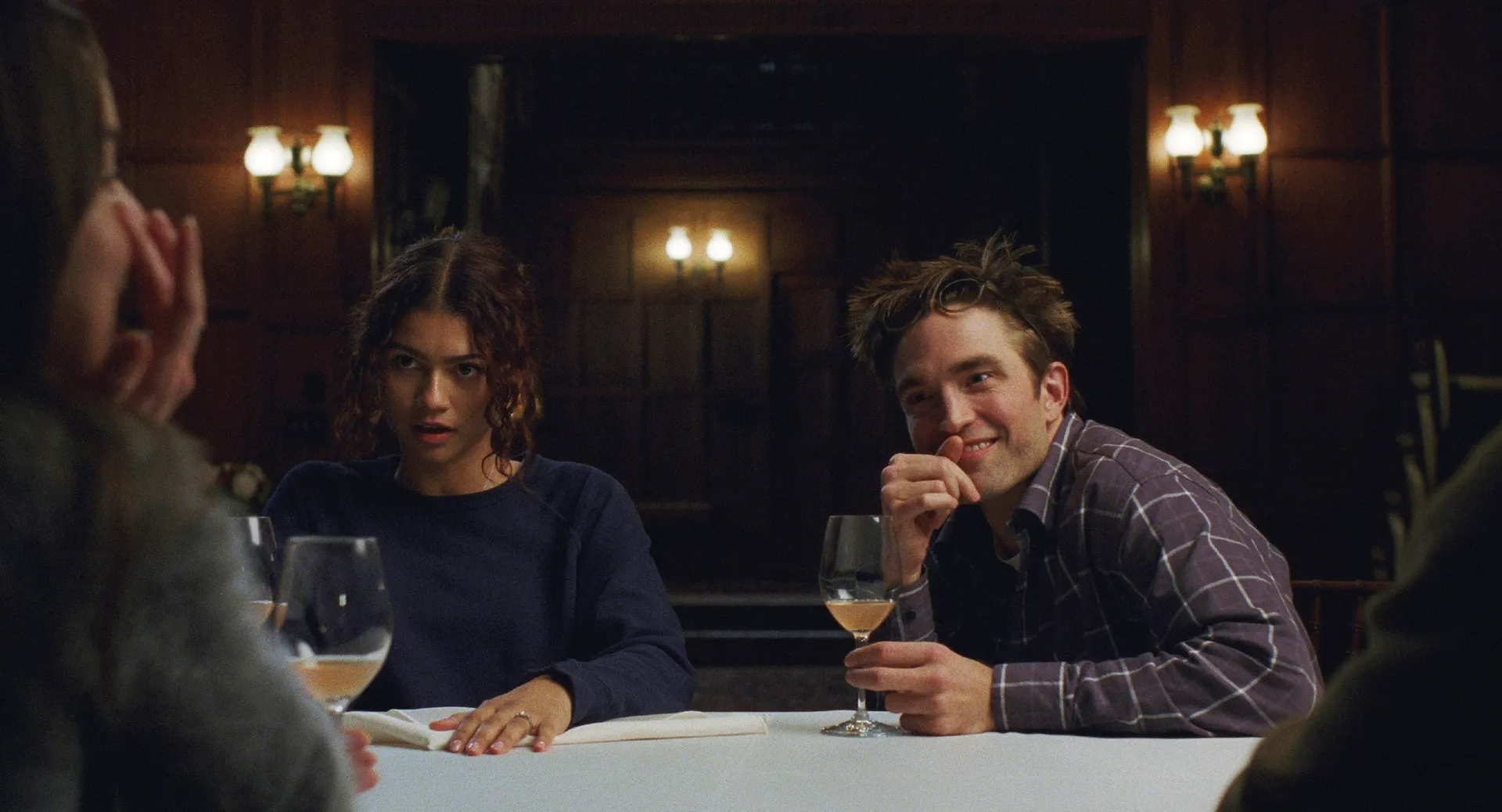
Kristoffer Borgli’s The Drama arrives with the kind of premise that makes you question whether you’re allowed to laugh: a romantic comedy about a couple whose wedding preparations are derailed when the bride reveals she almost committed a school shooting as a teenager. It’s a setup so provocative that it sparked backlash before release, with the father of a Columbine victim condemning the film and online discourse questioning whether any comedy could justify such material. But Borgli—Norwegian director of Sick of Myself and Dream Scenario—doesn’t flinch from the darkness, creating a film that’s as uncomfortable as it is unexpectedly humane.
Robert Pattinson plays Charlie, a twitchy museum curator whose meet-cute with Zendaya’s Emma at a coffee shop establishes the film’s off-kilter tone. He’s already anxious from frame one, peering through glasses with “antic gloom,” lying about having read the novel she’s immersed in. When the film jumps forward to their wedding week, the couple joins Charlie’s best man Mike (Mamoudou Athie) and maid of honor Rachel (Alana Haim) for a rehearsal dinner that turns catastrophic during a game of “what’s the worst thing you’ve ever done?”.
Rachel volunteers that she once locked a “slow” neighbor boy in a closet during a cabin trip. Charlie admits to cyber-bullying. Then Emma speaks up. At fourteen, isolated and bullied, she had planned to take her father’s shotgun to school and shoot her classmates. She didn’t go through with it—”Circumstances intervened,” as Variety’s review dryly notes—but the revelation floors the table and sends Charlie into a spiral of doubt about whether he’s marrying a psychopath.
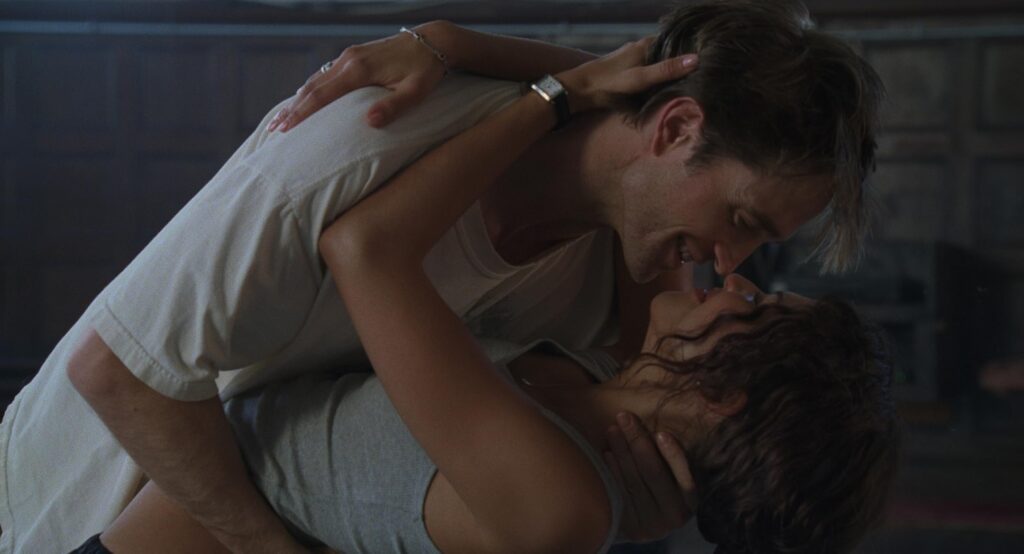
What follows is a clinical dissection of male fragility and moral panic. Charlie hyperfixates on Emma’s past, probing for details, questioning whether the person he loves is the person he thought he knew. Pattinson plays this unraveling with “twitchiest performance in the history of twitchy performances,” gradually moving from nervous to “twitchier” until he’s making aggressive passes at his assistant and contemplating calling off the wedding. It’s a performance that recalls Hugh Grant’s bumbling charm in Notting Hill, but filtered through a lens of genuine psychological distress.
Zendaya, meanwhile, carries the film’s emotional weight with “full charisma,” making Emma sympathetic despite—or perhaps because of—her dark past. The film uses flashbacks to young Emma (played by Jordyn Curet) to explore how a lonely, neglected teenager feeding on internet memes and real-life tragedies could develop such fantasies. It’s sharp social commentary on “the dark, seedy side of chronically online culture” and how child neglect in the digital age can have devastating consequences.
Borgli’s direction employs the same cerebral, memory-cutting technique he used in Dream Scenario, but taken “to the next level”. He intercuts different time periods and perspectives, placing the audience inside Charlie and Emma’s hippocampus as they revisit romantic memories and dark hypotheticals. The editing by Joshua Raymond Lee creates a “voyeuristic presence” that deepens both characters’ psychology, though the technique occasionally teeters into “gimmick territory” in the film’s latter half.
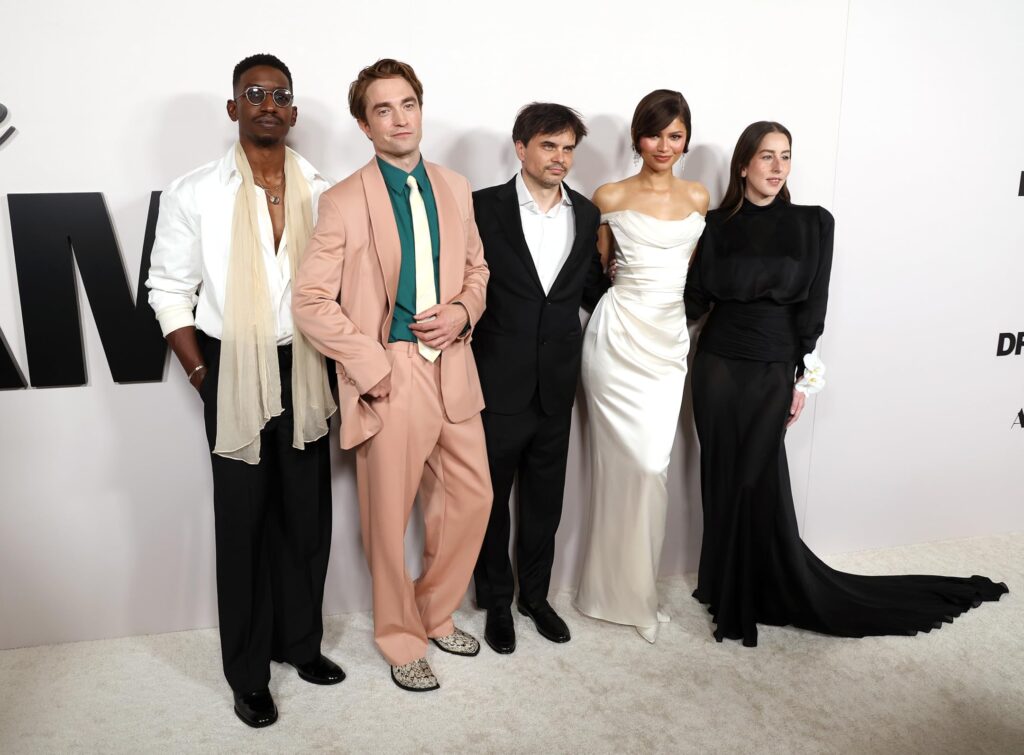
The controversy surrounding the film centers on whether Emma’s revelation is handled with appropriate gravity or exploited for shock value. The father of a Columbine victim called the film “disgusted,” while some viewers have questioned whether the premise trivializes school shootings. But Borgli’s approach is less about the act itself than about how we process information about loved ones, how the past shapes the present, and whether love can survive catastrophic honesty. As one review notes, the film “spark[s] a much-needed conversation about the consequences of neglected kids being left to their own devices”.
The ending—without spoiling specifics—wraps itself in a “happy bow that feels quite unearned” according to some critics, with Charlie’s actions eventually making him less sympathetic than Emma despite her dark past . But the journey there is undeniably gripping, a “rollercoaster of a postmodern ’70s-style American rom-com that does everything but skimp out on its title”
.
Experience the controversy—see The Drama in theaters now and decide for yourself if Borgli has crafted meaningful provocation or exploitative shock.
Also Read: Miley Cyrus Sobriety Journey Child Star Hannah Montana 20th Anniversary Reflection