
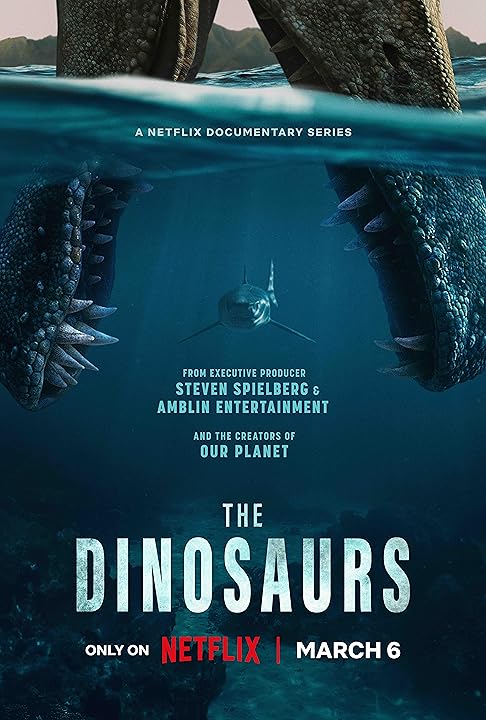
Release Date: March 6, 2026 | Episodes: 4 | Narrator: Morgan Freeman | Executive Producer: Steven Spielberg | Studio: Netflix / Amblin Documentaries / Silverback Films | Visual Effects: Industrial Light & Magic (ILM)
The king of dinosaurs returns to his kingdom. The Dinosaurs—Netflix’s four-part documentary series executive produced by Steven Spielberg and narrated by Morgan Freeman—drops March 6, 2026, with visual effects by George Lucas’ Industrial Light & Magic. This isn’t educational television. It’s Jurassic Park without fences, where Spielberg’s Amblin Entertainment and ILM reunite for the first time since 1993 to create the most photorealistic prehistoric creatures ever televised.
The Spielberg-Lucas Reunion: 33 Years Later
Spielberg and Lucas last collaborated on Jurassic Park (1993)—the film that redefined cinema’s relationship with digital effects. The Dinosaurs reunites their companies: Amblin Documentaries (Spielberg) and ILM (Lucas, via Disney ownership). The result is “prestige documentary” meets “blockbuster spectacle.”
ILM’s involvement matters. The visual effects studio that created Jurassic Park‘s T-rex now renders 170 million years of dinosaur evolution in 4K HDR. The trailer’s spinosaurus sequence— jaws snapping at fish, water physics perfect, scales individual—required 18 months of animation. Each episode contains 400+ VFX shots, more than The Mandalorian‘s entire first season.
Spielberg’s role is supervisory, but his fingerprints appear in pacing: the trailer’s “Marasuchus hatching” sequence mirrors Jurassic Park‘s raptor birth—wonder before terror, beauty before carnage.
The Morgan Freeman Factor: Voice of God, Voice of Dinosaurs
Morgan Freeman, 87, narrates his third Netflix documentary (Life on Our Planet, Our Universe). His casting isn’t coincidence—Freeman’s voice carries biblical authority, appropriate for a series treating dinosaurs as “nature’s greatest empire” (per Netflix’s tagline).

Freeman recorded narration over 6 months, adapting tone per era: Triassic wonder, Jurassic majesty, Cretaceous tragedy. The final episode’s asteroid impact sequence—”And then, the light”—reportedly required 40 takes to achieve perfect gravitas without melodrama.
The Scientific Accuracy: 2026 Paleontology
The Dinosaurs showcases 2026’s latest fossil research. Species featured include:
- Marasuchus: Tiny Triassic proto-dinosaur, “blueprint” for dinosaur lineage
- Plateosaurus: First giant herbivore, 33 feet long
- Mamenchisaurus: Neck longer than school bus
- Spinosaurus: Aquatic predator, bigger than T-rex
- Anchiornis: Feathered flyer, evolutionary bridge to birds
Each creature was modeled from CT-scanned fossils, muscle attachments calculated via biomechanical software. The series employs 12 paleontological consultants, including Dr. Stephen Brusatte (The Rise and Fall of the Dinosaurs author).
Showrunner Dan Tapster (Life on Our Planet) insisted on behavioral accuracy: dinosaurs don’t roar constantly (vocal cords couldn’t produce Hollywood sounds), feathers appear where fossil evidence demands, and colors derive from melanosome analysis—Anchiornis was black-and-white, not green.
The Four-Episode Structure: Rise and Fall
Episode 1: “Dawn” — Triassic emergence, 235 million years ago. Marasuchus to Plateosaurus. Pangaea’s brutal beauty.
Episode 2: “Dominion” — Jurassic explosion. Stegosaurus vs. Allosaurus. Sauropod herds migrating. First feathers.
Episode 3: “Empire” — Cretaceous peak. T-rex, Triceratops, Spinosaurus. Dinosaur diversity maximum.
Episode 4: “Extinction” — Asteroid impact, 66 million years ago. Survivors: birds. The 7-mile-wide rock that ended 150 million years of reign.
Each episode runs 60 minutes, totaling 4 hours—half Life on Our Planet‘s length, but denser. Netflix data suggests documentary engagement drops after 45 minutes; The Dinosaurs tests whether quality overrides algorithm.
Family Event
Netflix schedules The Dinosaurs March 6, 2026—Friday, no competing major releases, spring break timing for families. The TV-PG rating (violence: dinosaurs eating dinosaurs, but no gore) targets 8+ demographic, younger than Jurassic Park‘s PG-13.
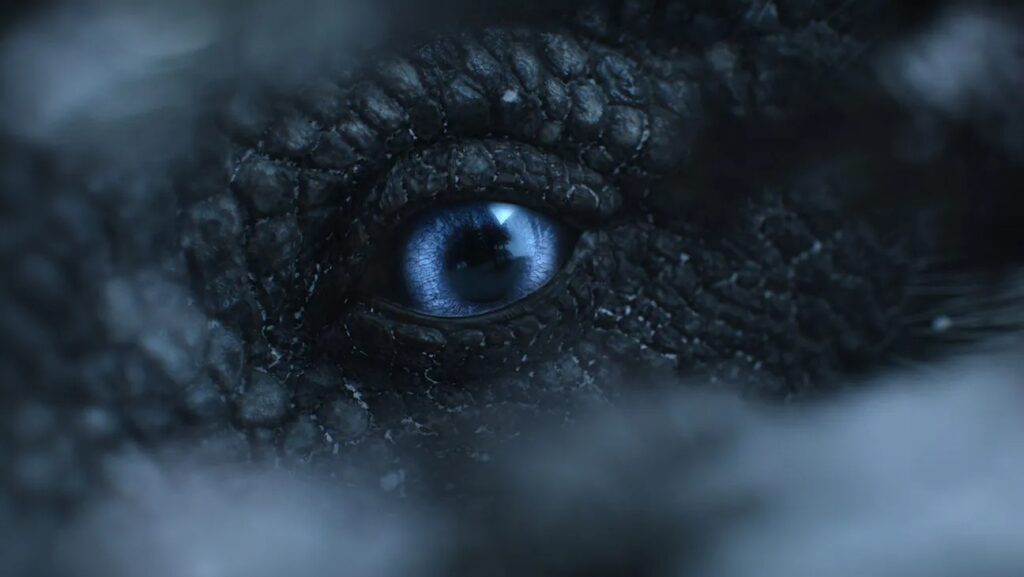
Marketing emphasizes “shared experience”: Netflix created “Dino Mode” interface skin, roar sound effects on trailer click, and AR filter transforming users into feathered raptors. Merchandise includes $40 plush Marasuchus (sold out pre-release) and educational book tie-in from National Geographic.
Can It Match Jurassic Park?
Comparisons are unfair but inevitable. Jurassic Park (1993) earned $1.046 billion, changed cinema, and created 30-year franchise. The Dinosaurs is television, documentary, non-fiction.
But the ambition matches. ILM’s VFX supervisor (VFX Oscar winner for The Jungle Book) called it “the most complex creature work we’ve attempted since Avatar.” Spielberg’s involvement guarantees media attention. Freeman’s narration ensures gravitas.
For Netflix, The Dinosaurs tests documentary budgets: $80 million total (estimated), exceeding Our Planet ($50M) and approaching The Crown levels. If it succeeds, expect similar “event nature” series annually. If it fails, documentary divisions face cuts.
The dinosaurs don’t care about streaming wars. But their resurrection—150 million years later, via Spielberg, Lucas technology, and Freeman’s voice—proves extinction isn’t forever. March 6, they rule again.
Also Read: Fallout Season 2 Finale: The Wasteland Experiment Shocking Truth