
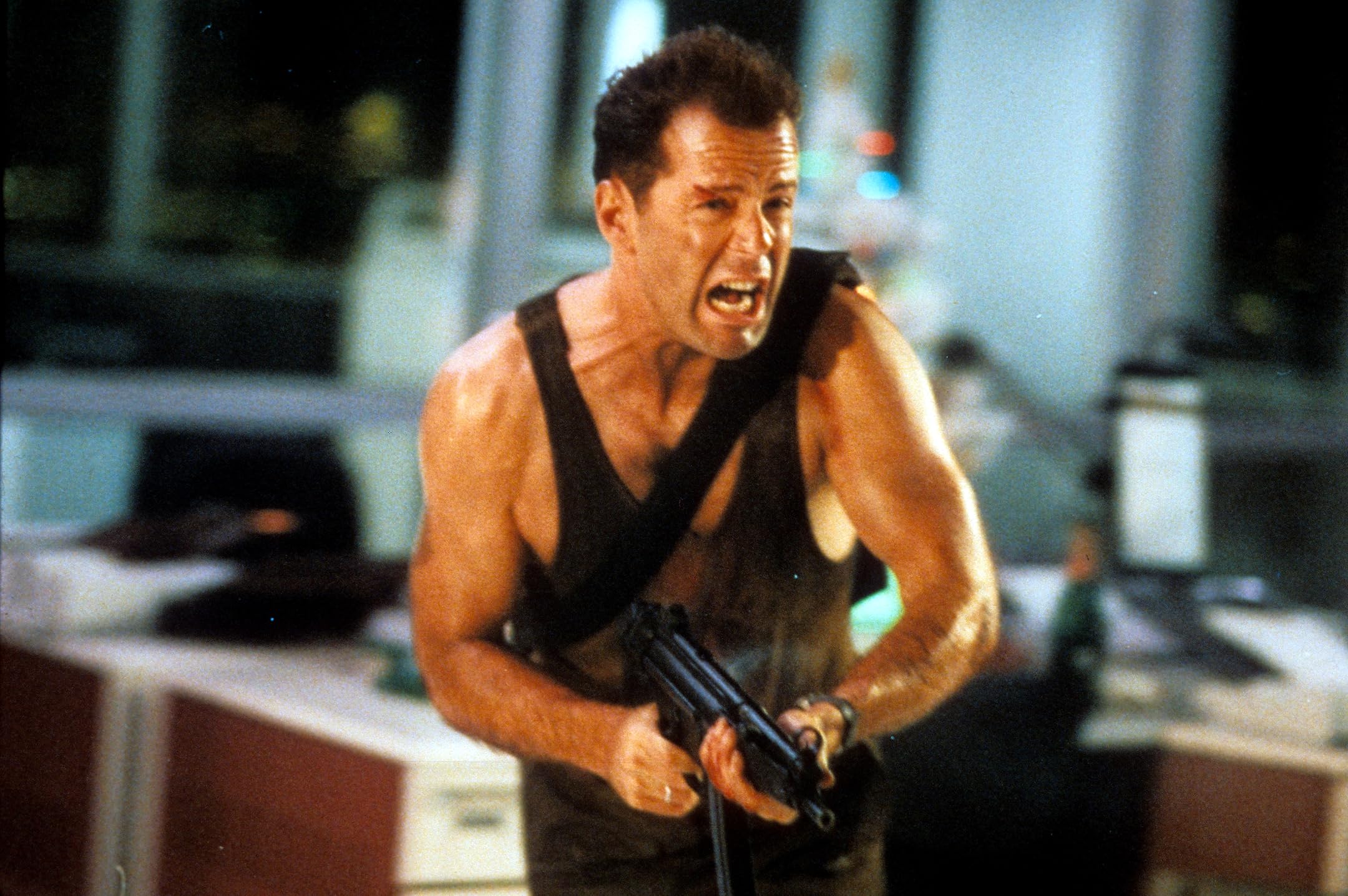
There’s a particular kind of heartbreak reserved for watching someone you admire work through an illness they don’t understand yet. In Bruce Willis’s case, that heartbreak played out across 22 films in four years, a period of frantic productivity that now looks less like a career resurgence and more like a race against time.
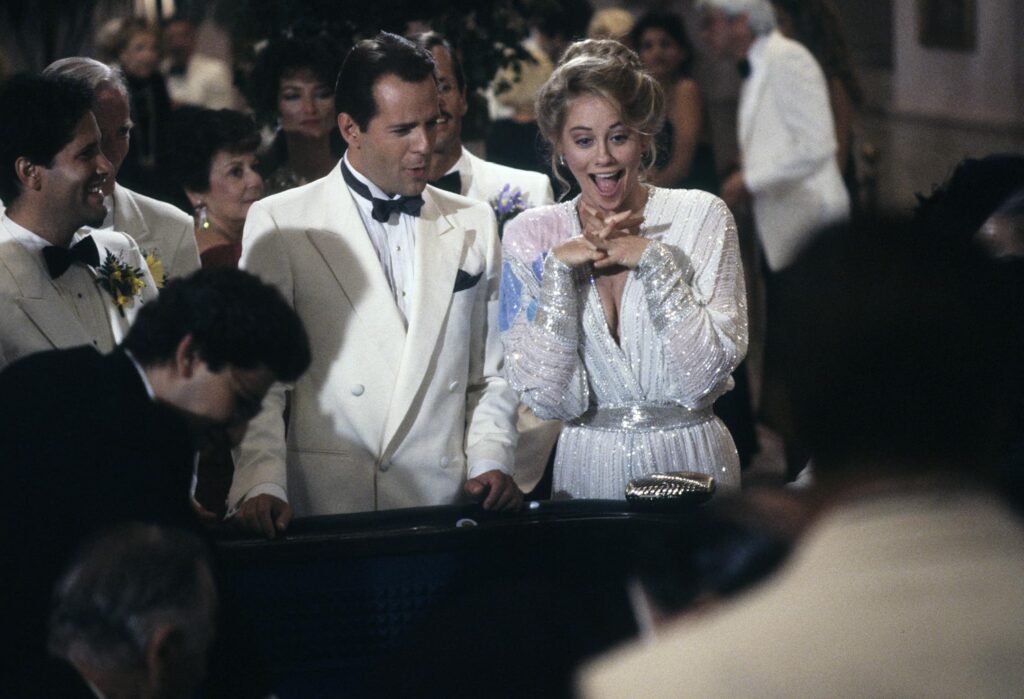
The final film in Willis’s legendary career is Assassin, a 2023 sci-fi thriller that received a limited theatrical release in March of that year. Directed by Jesse Atlas, the film features Willis as Valmora, the head of a private military operation that develops microchip technology allowing agents to inhabit other people’s bodies for missions. It’s high-concept, low-budget fare—the kind of movie Willis would have elevated with a smirk and a one-liner in his prime. But watching it now, knowing what we know, the experience is closer to archaeological excavation than entertainment.
Willis’s family announced his retirement from acting in March 2022, revealing that he had been diagnosed with aphasia—a neurological condition affecting language and communication. Later, they would clarify the diagnosis as frontotemporal dementia, a progressive illness that erodes cognitive function. But by then, the damage to his filmography was already done.
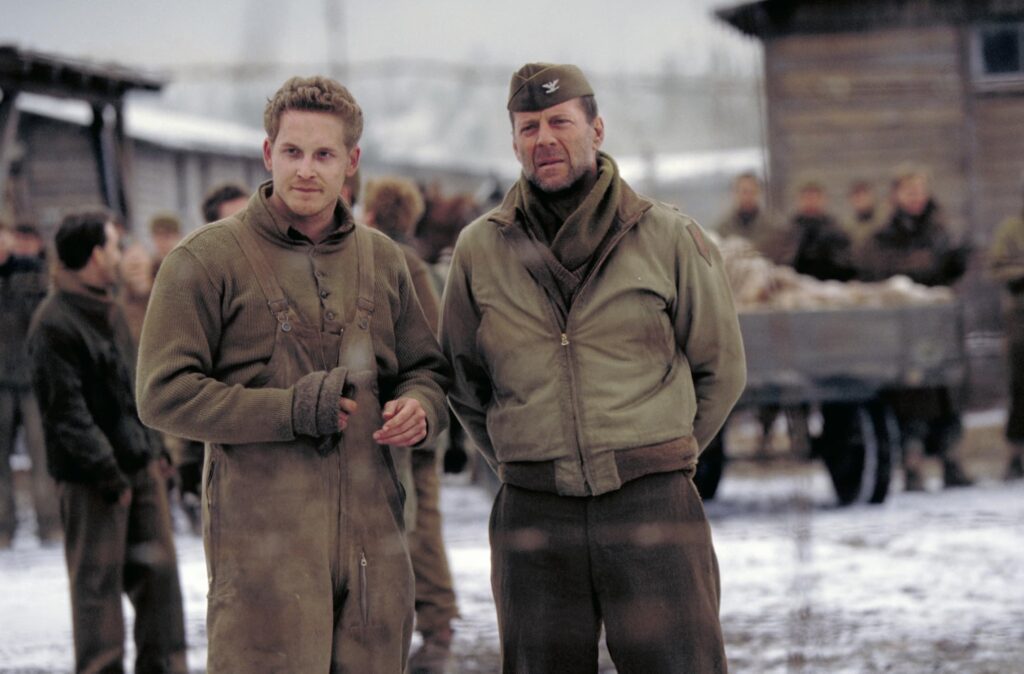
Between 2019 and 2022, Willis appeared in 22 movies. Twenty-two. For context, that’s more than Daniel Day-Lewis made in his entire career. These weren’t prestige projects or passion pieces; they were direct-to-video action films with titles like Hard Kill, Out of Death, Wrong Place, and Midnight in the Switchgrass. They shared certain characteristics: limited shooting schedules, body doubles for action scenes, and Willis appearing in what critics called “disengaged” performances.
The truth, we now know, was more tragic than lazy. Directors who worked with Willis during this period described an actor struggling to remember lines, requiring an earpiece to be fed dialogue, and sometimes seeming confused about where he was. On the set of Hard Kill in 2020, actress Lala Kent described Willis firing a prop gun on the wrong cue twice during a scene where he was supposed to save her life. “I know why you’re here, and I know why you’re here, but why am I here?” Willis reportedly asked crew members on one set—a question that now reads as devastatingly prophetic.
Director Mike Burns, who worked with Willis on Out of Death and Wrong Place, told the Los Angeles Times that he was asked to condense 25 pages of Willis’s dialogue into something that could be filmed in a single day. After Wrong Place, Burns swore off working with the actor again: “I didn’t think he was better; I thought he was worse. After we finished, I said: ‘I’m done. I’m not going to do any other Bruce Willis movies.’ I am relieved that he is taking time off.'”
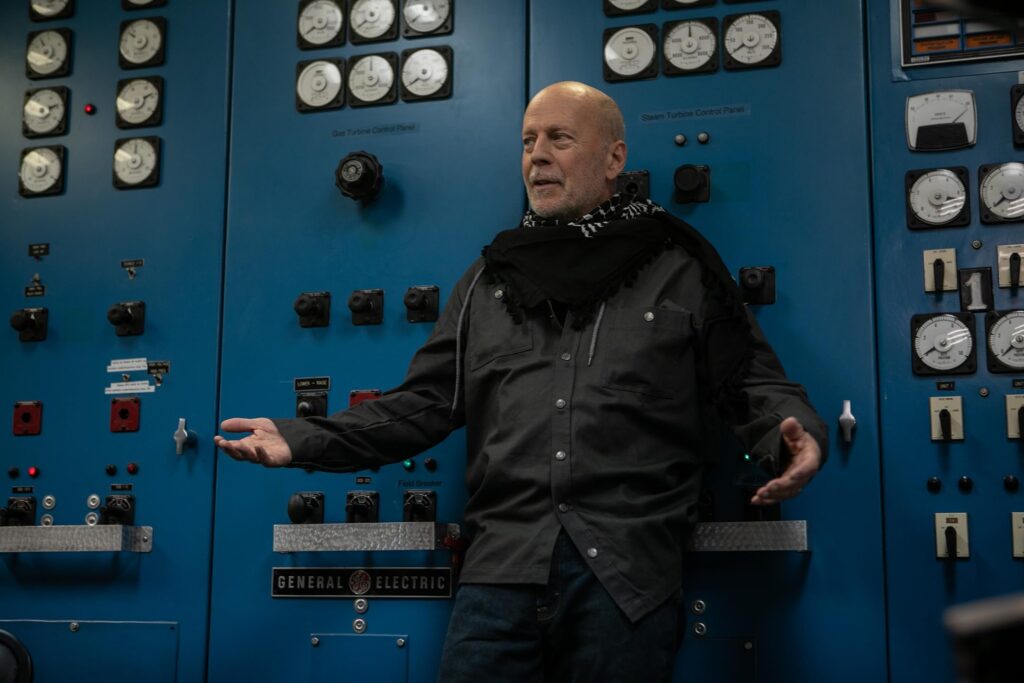
The question that haunts Willis’s final years is whether he was fully aware of his situation or whether he was being exploited by an industry that saw a legendary name as a marketable commodity regardless of his condition. His contracts limited him to two days of shooting per film, often only four hours per day, with a handler guiding him through scenes. His face appeared on posters and streaming thumbnails, but his actual screen time was minimal—sometimes just a few minutes per movie.
Assassin ends with Willis’s character saying, “I can already feel it… in my head.” The line, delivered with a slurring speech pattern that viewers initially attributed to poor performance, now lands with crushing weight. It’s impossible to watch without hearing an echo of the real man, trying to communicate something he couldn’t yet name.
This isn’t how legends are supposed to end. Bruce Willis defined action cinema for three decades—from Die Hard’s John McClane to Pulp Fiction’s Butch Coolidge to The Sixth Sense’s Malcolm Crowe. He was the everyman who could be funny and vulnerable while still saving the day. His final scene should have been something worthy of that legacy, not a line about microchips delivered in a green-screen room while his family worried in the next room.
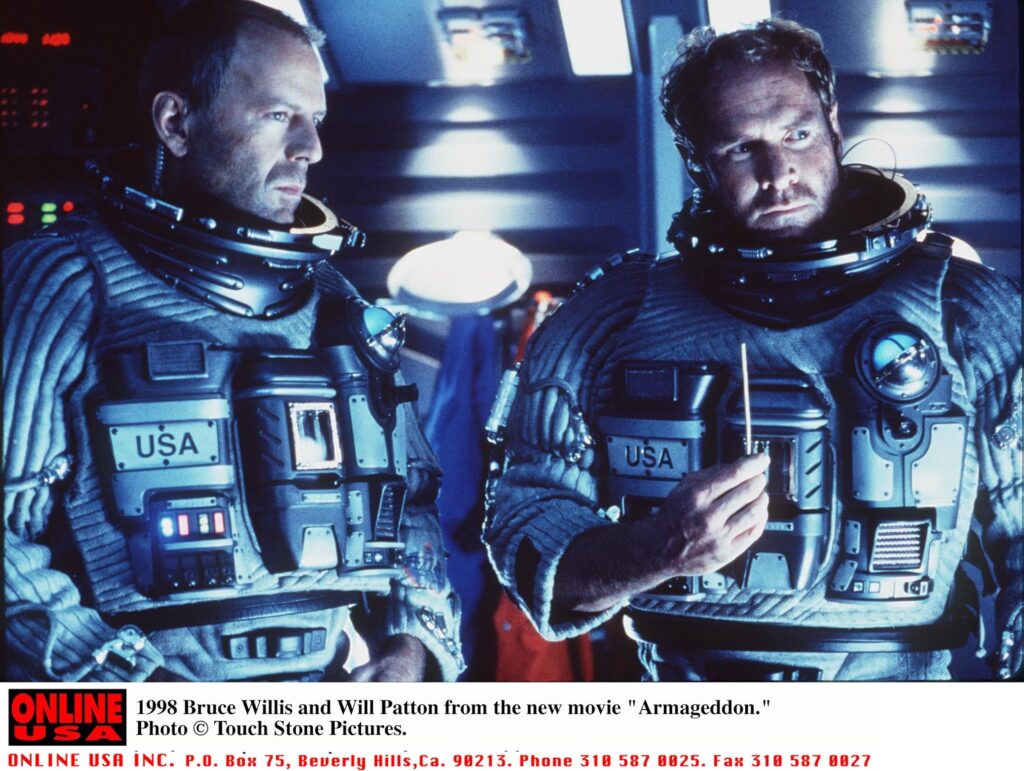
But perhaps there’s a strange dignity in the frenzy of those final years. Willis worked, even as his mind betrayed him, even as the scripts got worse and the budgets got smaller. He showed up. And maybe, in some way he couldn’t articulate, he was trying to provide for his family before the disease took everything.
Assassin is a sad end to a spectacular career. But it’s also a reminder that Bruce Willis, at his best, was unstoppable. The man who crawled through broken glass in Nakatomi Plaza deserved better than this. We all did.
Remember the legend—stream Die Hard, Pulp Fiction, or The Sixth Sense to experience Bruce Willis at the height of his powers, before the tragedy of his final years.
Also Read: Why ‘The Matrix’ Opened With Trinity Instead of Neo (And Why It Matters)