
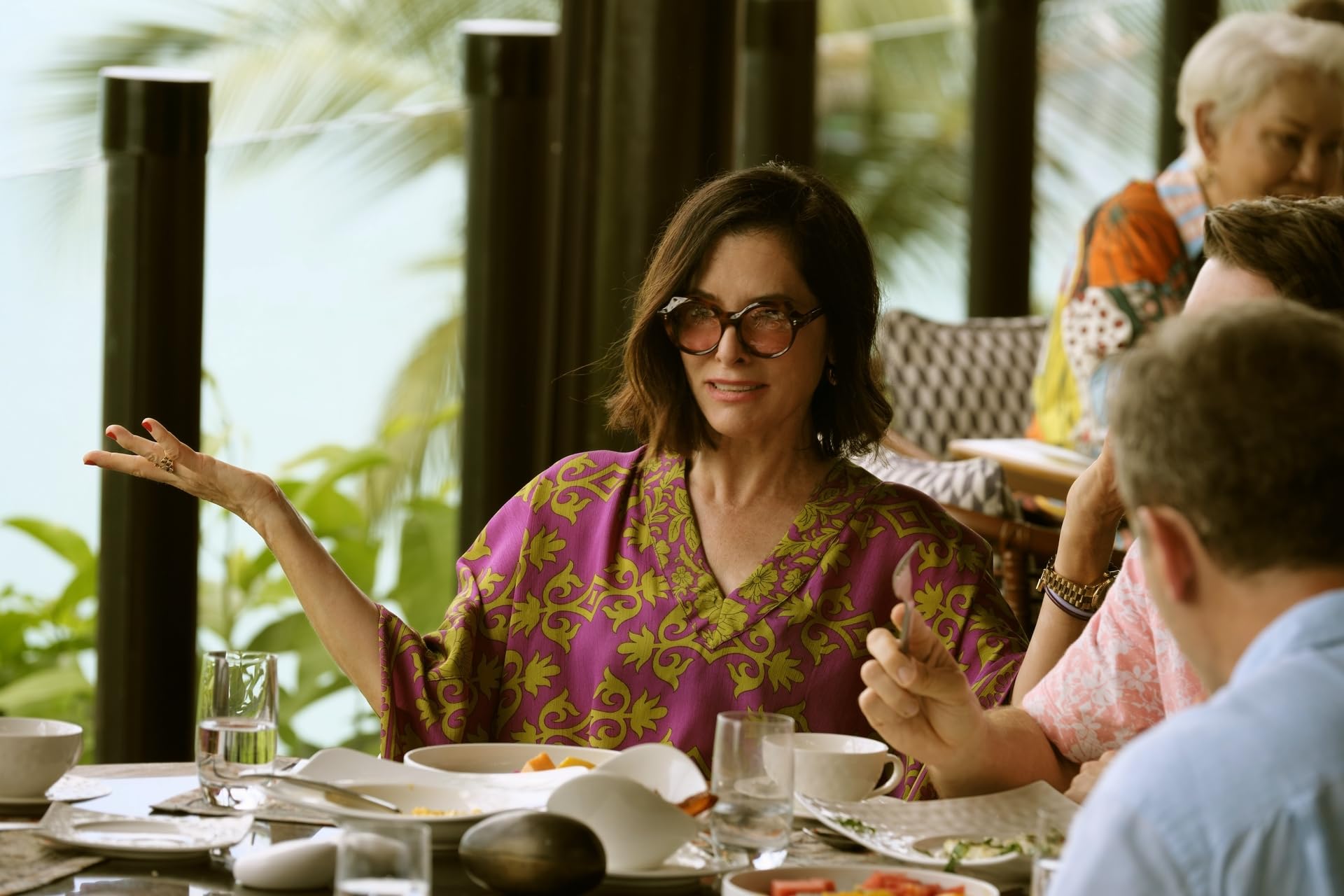
Eight hours. That’s how long Mike White asked us to spend in Thailand with a group of wealthy narcissists who spent most of their time discussing their chakra alignments and committing light incest. Eight hours of television that felt like being trapped in a very expensive, very boring dinner party where everyone speaks in therapy-speak and nothing actually happens until the final twenty minutes.
The White Lotus Season 3 has become a cultural Rorschach test. On one side, you have the defenders—critics and fans who insist that the slow pacing is “world-building,” that the lack of plot is actually “character study,” that your boredom is a failure of your TikTok-addled attention span rather than the show’s narrative choices. On the other side, you have the disappointed masses who tuned in expecting the sharp social satire and shocking twists of Seasons 1 and 2, only to receive eight episodes of Piper deciding whether to become a Buddhist nun while her brothers eye-fight each other.
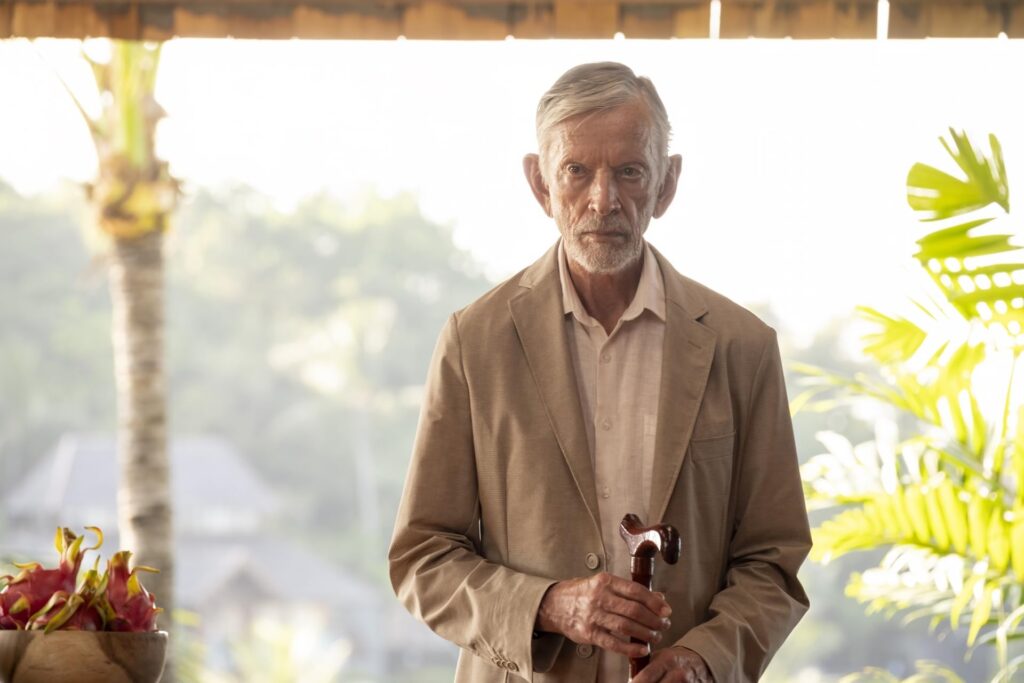
Creator Mike White, to his credit, has been refreshingly honest about the complaints. On the official podcast, he addressed the criticism with the kind of blunt candor that makes you understand why he made the show in the first place. “The pacing and the vibe… it definitely gets under their skin,” he admitted, before delivering the kind of quote that will be carved into television studies textbooks: “There was complaining about how there’s no plot. That part I find weird. I’m world-building. If you don’t want to go to bed with me then get out of my bed. I’m edging you! Enjoy the edging.”

The problem is that edging, in storytelling terms, requires the promise of eventual release. Season 1 gave us Armond’s spectacular breakdown and Tanya’s descent into murder. Season 2 gave us the Quentin reveal and multiple bodies in the ocean. Season 3 gave us… a shootout that felt tacked on to justify the “murder” in “murder mystery,” and a finale where most of the characters learned exactly nothing and returned to their lives unchanged except for the ones who died.
The cast is uniformly excellent, which almost makes it worse. Jason Isaacs plays Timothy Ratliff with the hollow-eyed desperation of a man discovering that his entire life is a fraud, and his phone-call scenes are genuinely compelling. Natasha Rothwell returns as Belinda Tension, providing the only emotional throughline that connects to previous seasons. But they’re stranded in a narrative that prioritizes “vibe” over story, where characters wander through beautiful Thai landscapes having conversations that go nowhere and mean nothing.
Mike White’s defense—that he’s “world-building”—would hold more water if the world felt different from the previous seasons. Instead, we get another iteration of the same themes: rich people are spiritually empty, the staff are trapped in servitude, and violence lurks beneath the surface of luxury. The difference is that this time, the violence takes forever to arrive, and when it does, it feels unearned because we haven’t been given enough reason to care about who lives or dies.
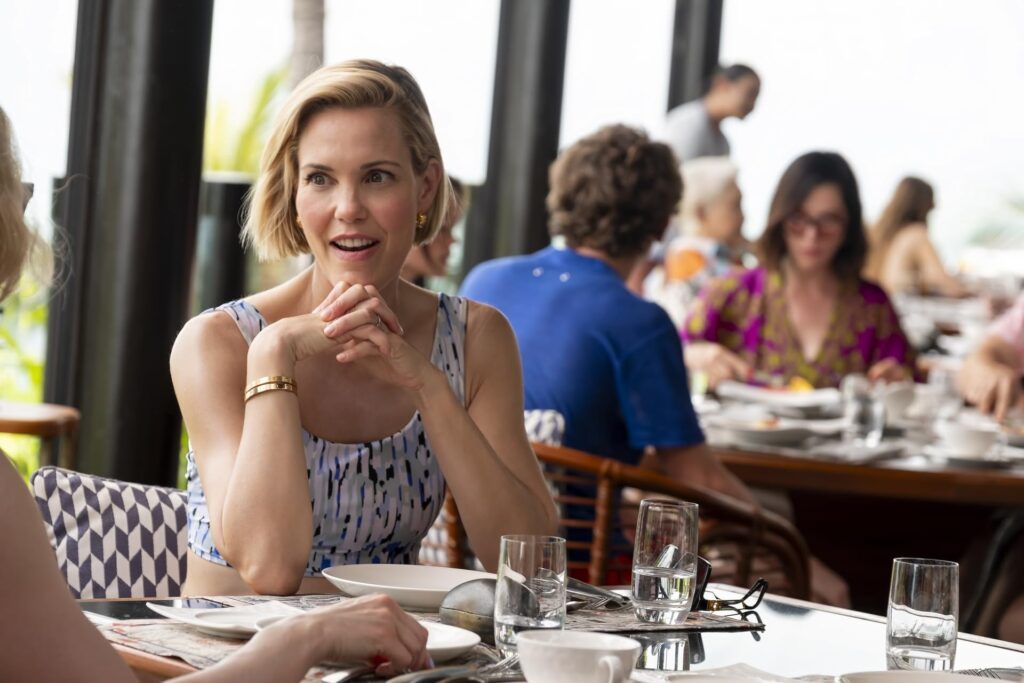
The friend trio—Kate, Jaclyn, and Laurie—epitomize the problem. Leslie Bibb, Michelle Monaghan, and Carrie Coon are three of the best actresses working today, and they’re given nothing to do but gossip by the pool for eight episodes. Their connection to the main plot is so tenuous that they could be removed entirely without changing the finale’s outcome. They exist to fill time, to provide the “vibe” that White insists is the point, but they don’t actually function as characters.
The finale did deliver 6.2 million viewers, a record for the series, suggesting that even frustrated fans needed to see how the edging concluded. But the conversation afterward wasn’t about the brilliance of the storytelling—it was about whether the journey justified the destination. For many, the answer was a resounding no. Eight hours is a long time to spend in someone’s bed, and eventually, even the most patient viewer wants to know if there’s a point to all the foreplay.
Judge for yourself—stream The White Lotus Season 3 on HBO Max and see if Mike White’s “edging” strategy works for you, or if you’ll be asking for your eight hours back.
Also Read: Barry Worth Your Time? Only If You Like Anxiety with Your Comedy