
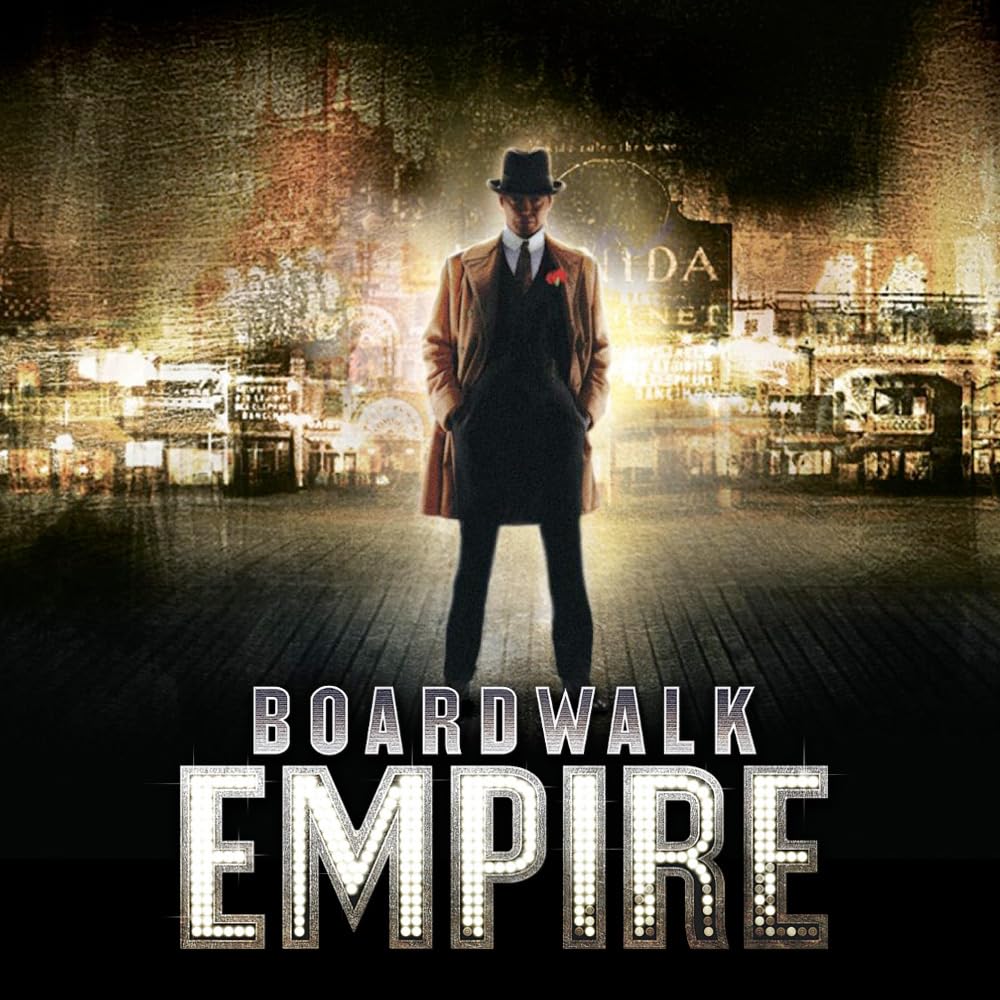
Prohibition era America was messy, glamorous, and violently profitable. In 1920, the United States banned alcohol, which sounds like a public health win until you realize it created the perfect conditions for organized crime to flourish. Atlantic City became ground zero for this chaos, and that’s where Boardwalk Empire plants its flag. The HBO series premiered in 2010, created by Terence Winter (The Sopranos) and executive produced by Martin Scorsese, who directed the pilot. Steve Buscemi anchored the show as Enoch “Nucky” Thompson, a political boss who ran Atlantic City like his personal fiefdom while juggling bootlegging, corruption, and family drama.
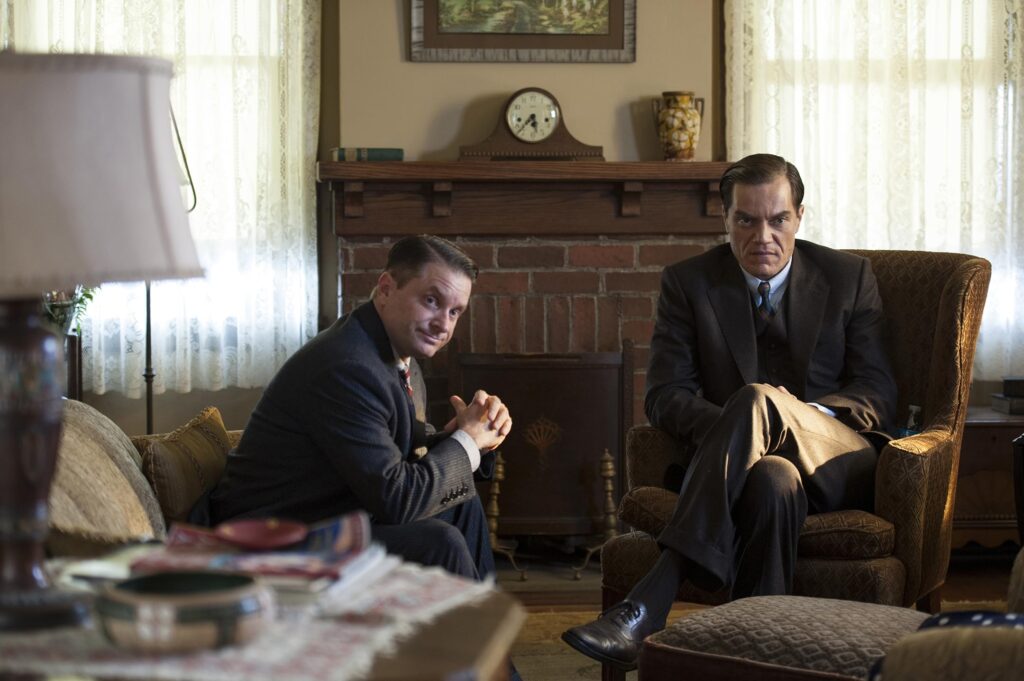
The cast reads like a who’s who of character actors: Michael Shannon as the volatile FBI agent Nelson Van Alden, Kelly Macdonald as Nucky’s wife Margaret, Michael Stuhlbarg as the calculating gangster Arnold Rothstein, and Stephen Graham as the unpredictable Al Capone. The show didn’t just recreate the 1920s—it immersed viewers in them, with meticulous period detail, jazz-age soundtracks, and moral ambiguity that felt both historical and painfully contemporary. Over five seasons, Boardwalk Empire explored how power corrupts, how loyalty fractures, and how the American dream sometimes looks like a bloodstained suit.
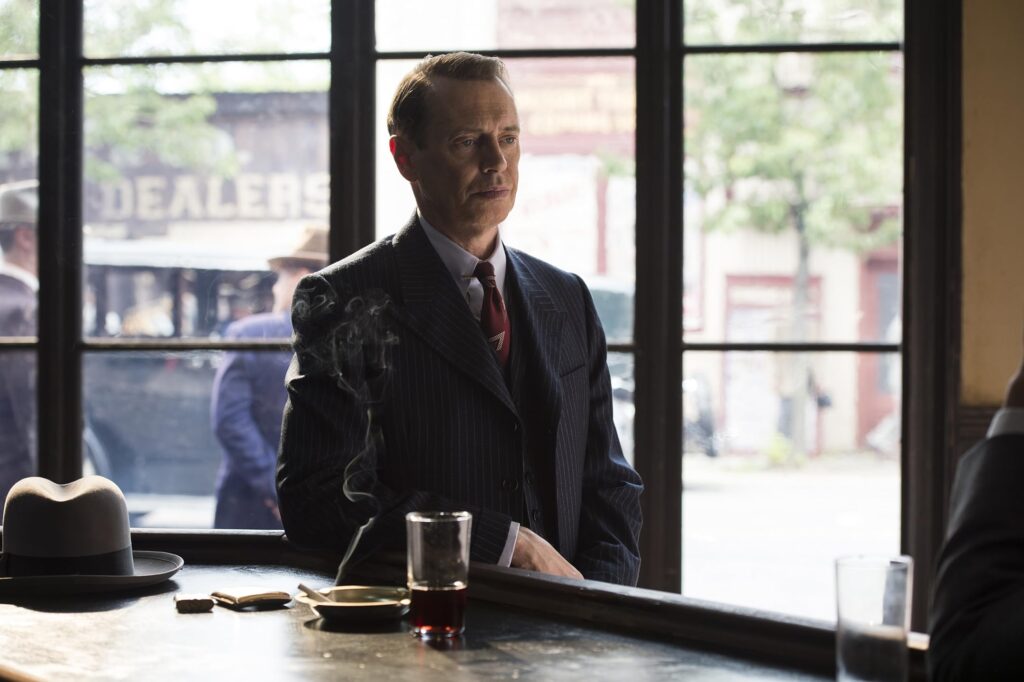
What makes Boardwalk Empire worth watching now, years after its finale, is how it balances spectacle with substance. Yes, there are shootouts, betrayals, and lavish parties. But the real tension comes from watching Nucky navigate impossible choices: protect his family or protect his empire? Trust his instincts or trust his allies? Buscemi’s performance is the anchor—a man who looks ordinary but carries extraordinary weight in every glance. He’s not a traditional leading man, and that’s precisely why he works. Nucky feels human, flawed, and uncomfortably real.
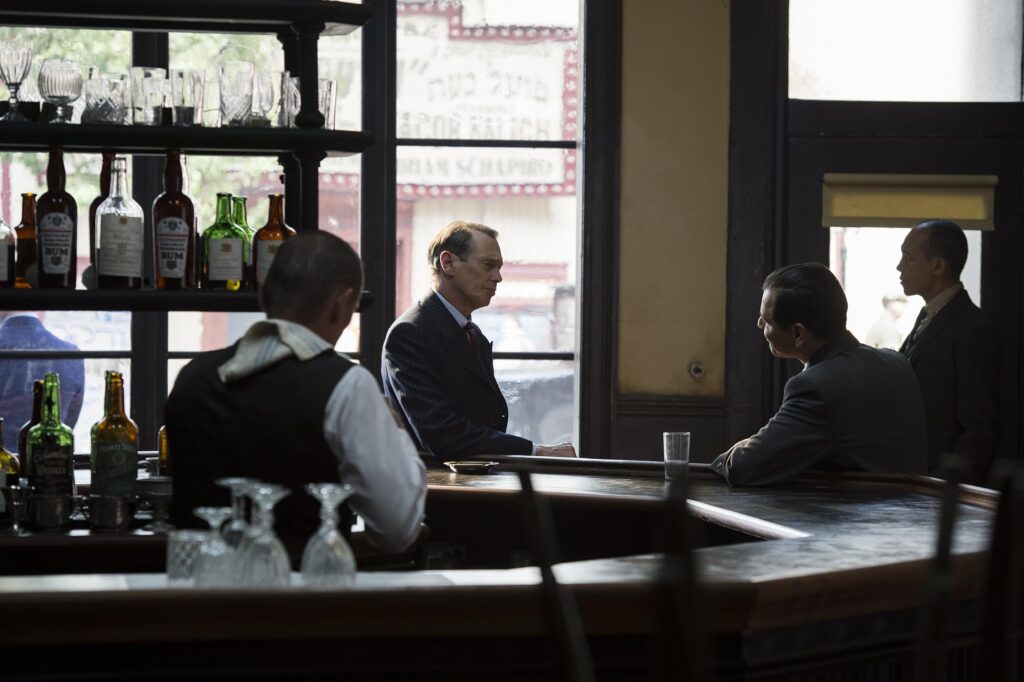
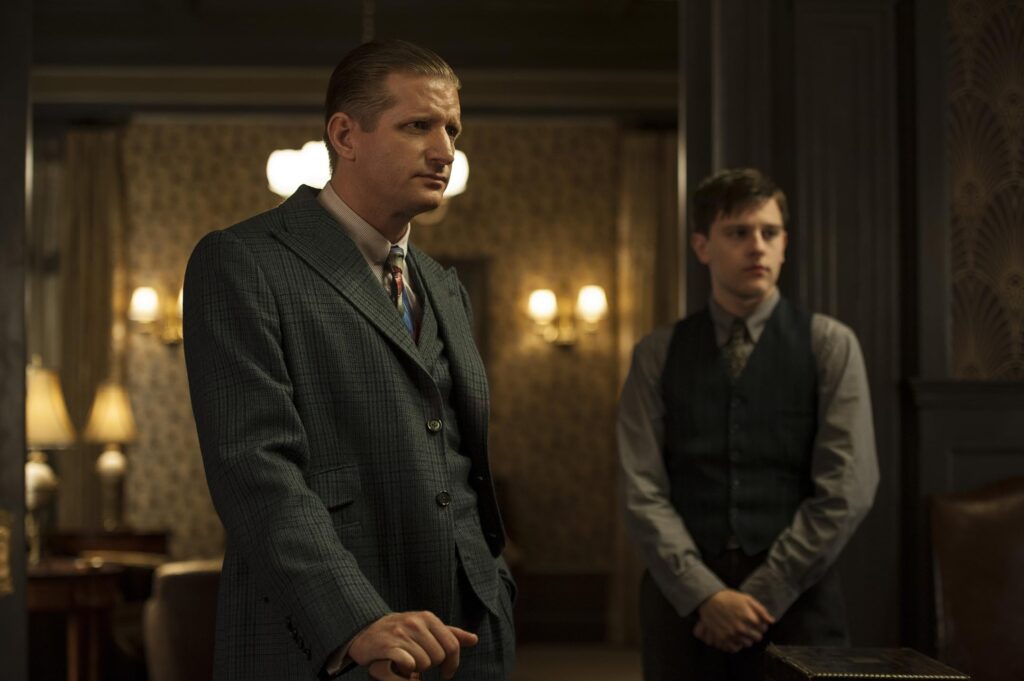
Fans on Reddit still recommend Boardwalk Empire as a “good choice” for viewers seeking prestige television with historical depth. The show rewards patience; its pacing lets characters breathe and consequences accumulate. Unlike faster-paced crime dramas, Boardwalk Empire trusts its audience to follow complex political maneuvering and moral gray areas. The production design alone is worth the watch—every costume, set piece, and street corner feels authentically 1920s without ever feeling like a museum exhibit.
If you’re considering diving into Boardwalk Empire for the first time, know this: it’s not a quick binge. It’s a slow burn that builds to devastating payoff. The writing respects your intelligence, the performances stay with you, and the historical context adds layers that reward rewatching. Whether you’re a fan of The Sopranos, period dramas, or just great television, this series delivers. Atlantic City in the 1920s was a place where anything could happen—for a price. Boardwalk Empire reminds us that some prices are worth paying, especially when the story is this good.
Also Read: The White Lotus Season 3 and the Art of Wasting Everyone’s Time