
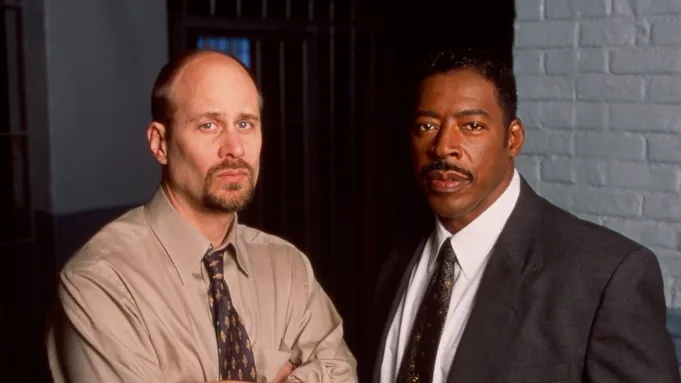
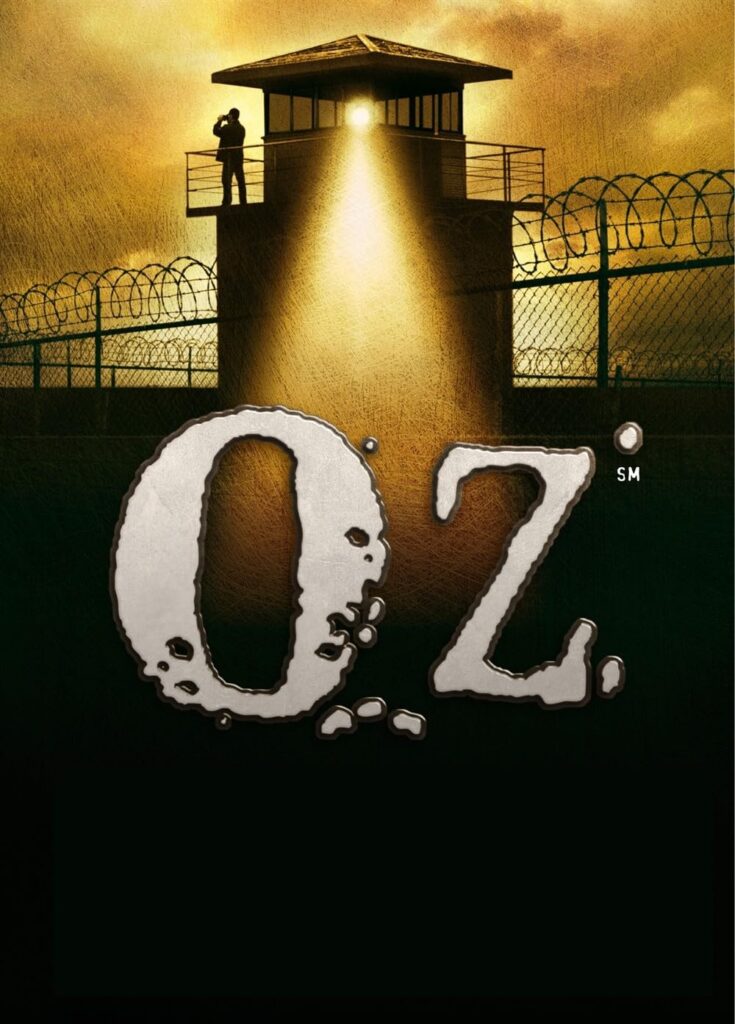
Before The Sopranos, before The Wire, before prestige television became a cultural force, there was Oz. HBO’s first one-hour dramatic series premiered in 1997, set in the fictional Oswald State Correctional Facility—a maximum-security prison where violence, politics, and survival collided daily. Created by Tom Fontana, Oz didn’t hold back. It showed prison life with unflinching honesty: the brutality, the humanity, the small moments of grace amid relentless hardship. This wasn’t escapism; it was confrontation.
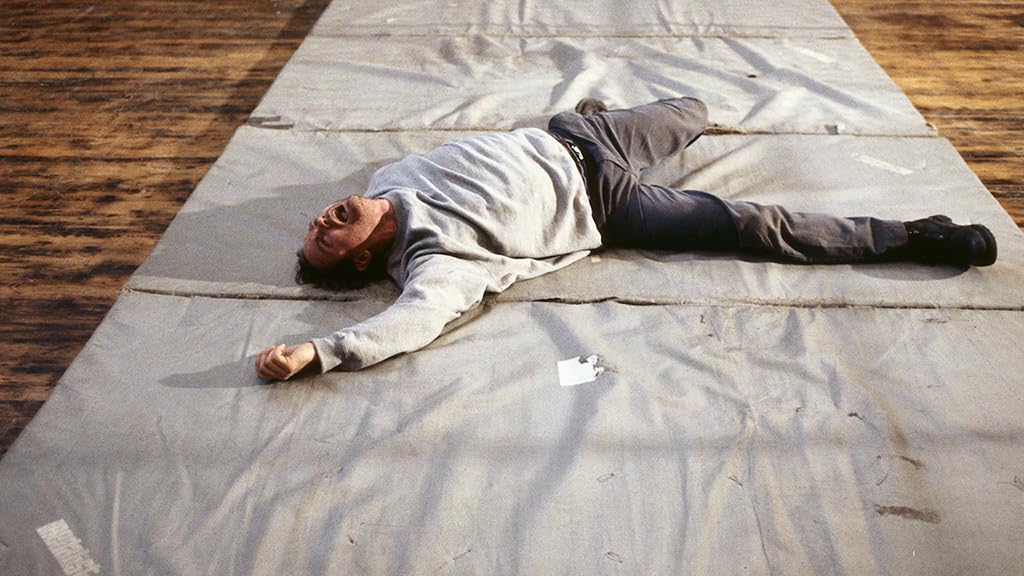
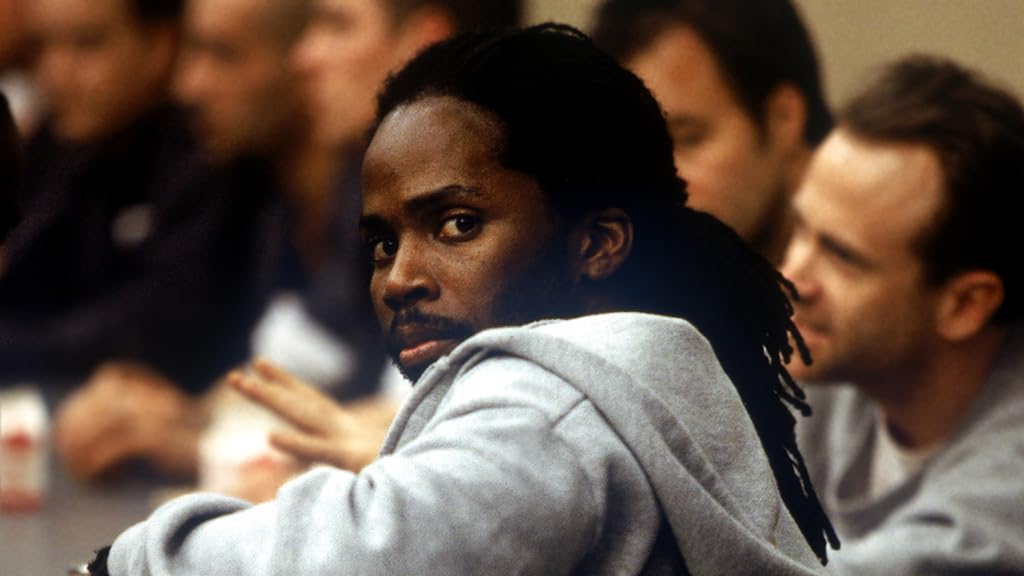
The ensemble cast featured Ernie Hudson as Warden Leo Glynn, the moral center trying to maintain order; Harold Perrineau as Augustus Hill, the narrator who guided viewers through the chaos; and a rotating roster of inmates played by actors who would later become household names: J.K. Simmons, Dean Winters, Lee Tergesen, Rita Moreno, and Adewale Akinnuoye-Agbaje. Each episode balanced multiple storylines, exploring themes of redemption, power, race, and faith. Oz didn’t just depict prison—it used the setting to examine larger questions about justice, rehabilitation, and what society does with people it deems irredeemable.
What makes Oz HBO significant today is its legacy. This series proved that cable television could tackle adult themes with artistic ambition. It paved the way for everything that followed: the complex antiheroes, the serialized storytelling, the willingness to let characters fail and suffer consequences. Fans on Reddit still debate whether newcomers should watch Oz, with many arguing its raw intensity remains unmatched. The show wasn’t always easy to watch, but it was always compelling—a testament to Fontana’s vision and the cast’s commitment.
The Oz HBO experience is distinct from modern prestige dramas. Episodes often opened with Hill breaking the fourth wall, speaking directly to viewers about the themes at play. The storytelling was theatrical, sometimes operatic, embracing heightened reality while grounding emotions in genuine pain. Violence was present but rarely glorified; the focus stayed on how characters responded to trauma, temptation, and fleeting hope. This approach influenced countless shows that followed, even if they softened the edges for broader audiences.
If you’re curious about Oz HBO, go in with realistic expectations. This isn’t a polished, binge-ready thriller. It’s a challenging, sometimes uncomfortable exploration of institutional life and human resilience. The acting is phenomenal, the writing sharp, and the emotional payoff earned. Nearly 30 years later, Oz still resonates because it asked hard questions without offering easy answers. It reminded viewers that everyone, even those society has written off, contains multitudes. For fans of ambitious television, prison dramas, or just great storytelling, Oz remains essential viewing. It changed HBO. It changed television. And it still has something to say.
Also Read: Boardwalk Empire Still Hits Different