
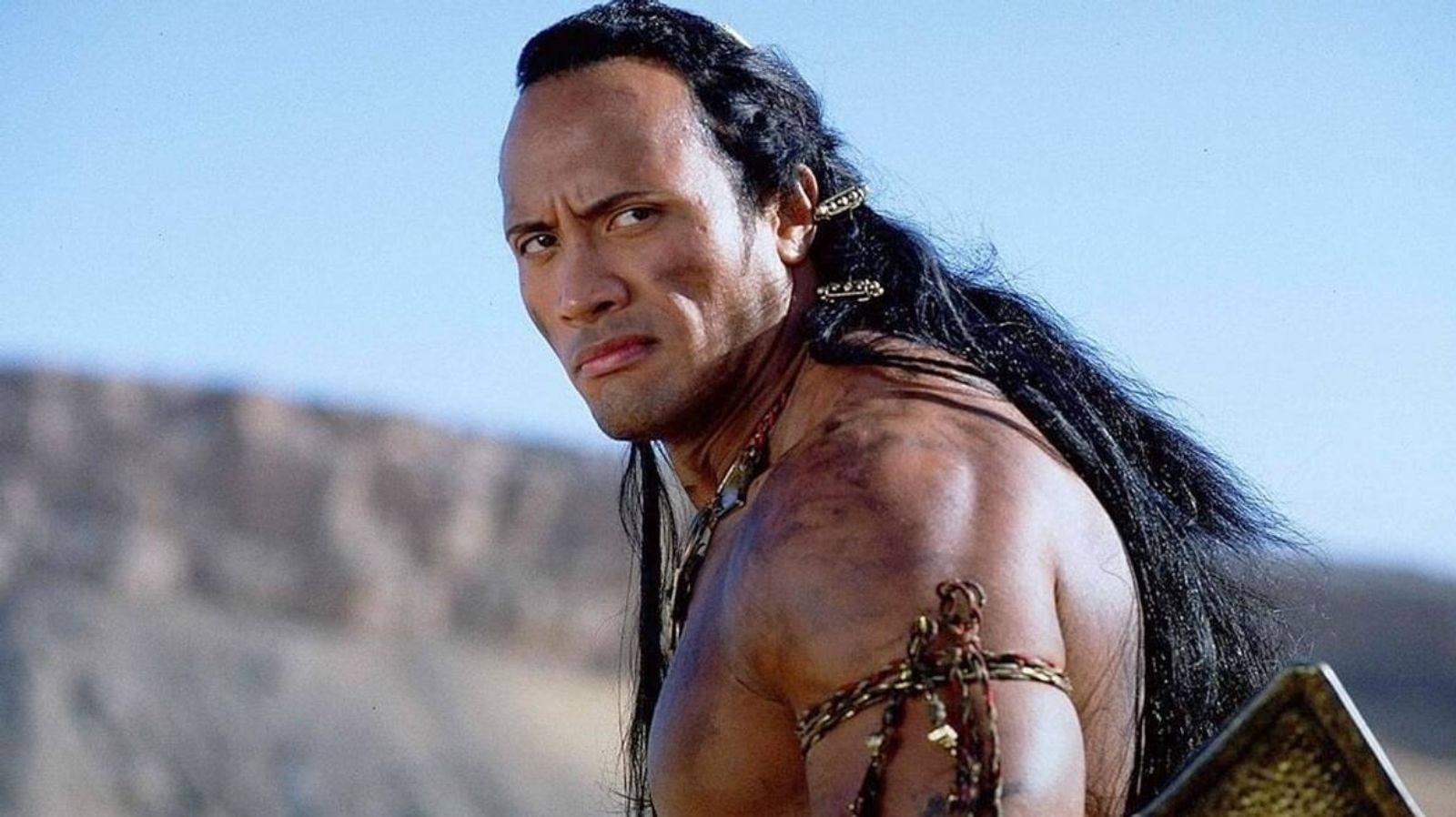
Worst CGI ever created has become its own genre of entertainment, where audiences gather not to be amazed by digital wizardry but to collectively groan at technology’s most embarrassing failures. The history of computer-generated imagery is paved with good intentions and terrible execution, resulting in moments that pull viewers out of the story and directly into questions about budget allocation and quality control.
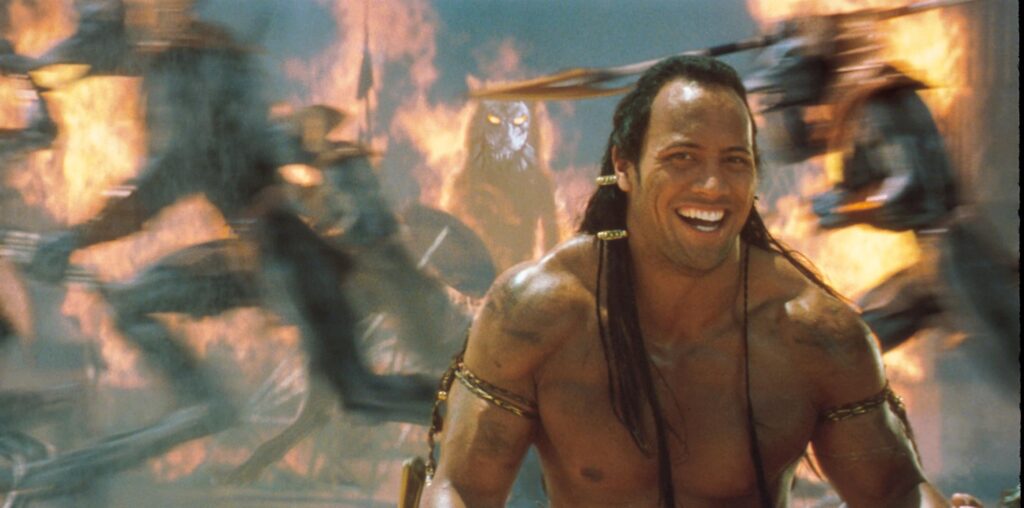
The Scorpion King in The Mummy Returns stands as perhaps the worst CGI ever committed to a major blockbuster. Dwayne Johnson, in his first film role, was transformed into a scorpion-tailed monster that looked like it escaped from a PlayStation 2 cutscene. The rendering was so rudimentary, the textures so flat, the integration with live-action so unconvincing that audiences laughed during what was supposed to be a terrifying climax. This was 2001, when CGI had already delivered Jurassic Park’s dinosaurs and Titanic’s ship, which makes the failure even more baffling.
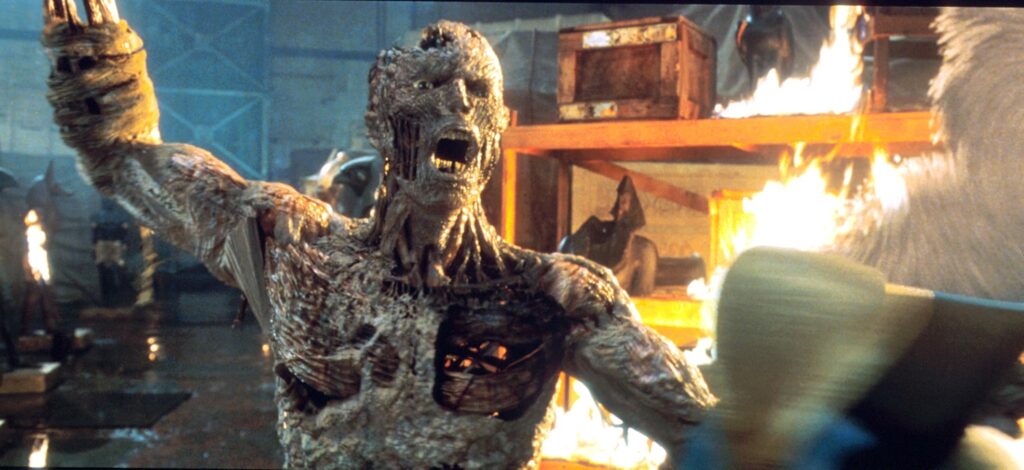
Justice League’s mustache removal represents a different category of worst CGI ever—the kind created by real-world interference rather than technical limitation. When Henry Cavill was called back for reshoots while sporting a mustache for Mission: Impossible, Paramount refused to let him shave. Warner Bros. then spent millions digitally erasing the facial hair, resulting in a Superman whose upper lip looked like it was melting in several scenes. The uncanny valley had never been so specific or so hilarious.
Cats exists in a special circle of worst CGI ever hell. The 2019 adaptation took award-winning actors, covered them in digital fur, and somehow made them look less convincing than actual cats. The “digital fur technology” that Tom Hooper invented specifically for this film should have been left uninvented. Judi Dench, Idris Elba, and Taylor Swift deserved better than to be transformed into nightmare-fuel human-feline hybrids that made viewers question the nature of reality itself.
X-Men Origins: Wolverine contributed to the worst CGI ever hall of fame by making Wolverine’s claws digital for the first time. Previously practical props that Hugh Jackman actually wore, the adamantium weapons became CGI additions that looked like cartoon swords poorly superimposed on his fists. Every time he extended them, audiences were reminded that someone in post-production had made a terrible choice. The film’s Deadpool appearance—sewing Ryan Reynolds’ mouth shut and giving him laser eyes—deserves its own category of visual crime.
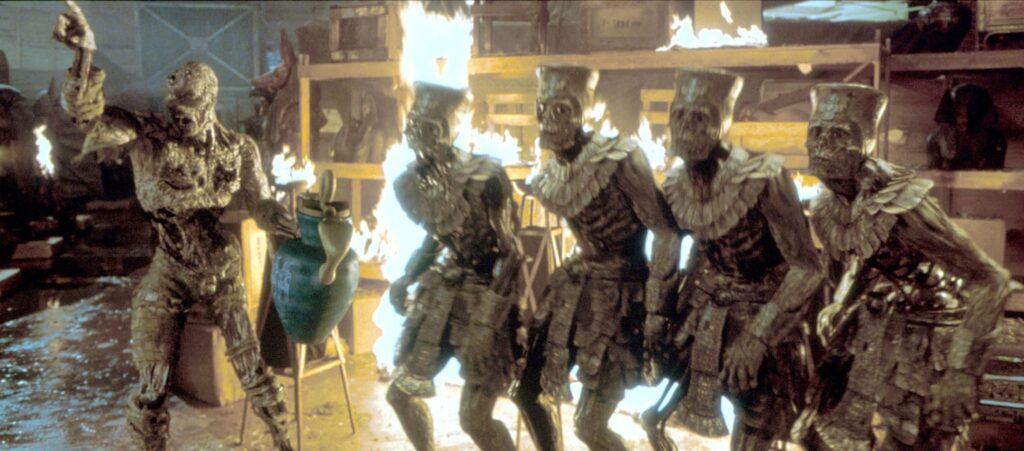
The Thing (2011) attempted to recreate John Carpenter’s practical effects masterpiece with CGI and created some of the worst CGI ever seen in horror. The split-face creature, a practical marvel in the 1982 original, became a digital abomination that looked more like a screensaver than a monster. Fans of the original were heartbroken. Fans of good effects were confused. Fans of unintentional comedy were delighted.
What unites all these examples is the disconnect between ambition and execution. Filmmakers wanted to create something impossible, something that practical effects couldn’t achieve, and instead created something unbelievable in the worst way. The worst CGI ever made doesn’t just fail to convince; it actively destroys the suspension of disbelief that cinema requires.
Sometimes practical effects age better because they’re real. A puppet, a model, a makeup effect exists in physical space and interacts with light naturally. Digital effects, when they fail, fail completely—there’s no saving a bad render, no forgiving a poorly tracked composite. The worst CGI ever reminds us that technology is only as good as the artists wielding it, and sometimes those artists are having a very bad day.
Marvel at the disasters—seek out these CGI catastrophes and appreciate how far we’ve come by remembering how badly we stumbled.
Also Read: Fake Science in Movies Is Hilariously Bad