
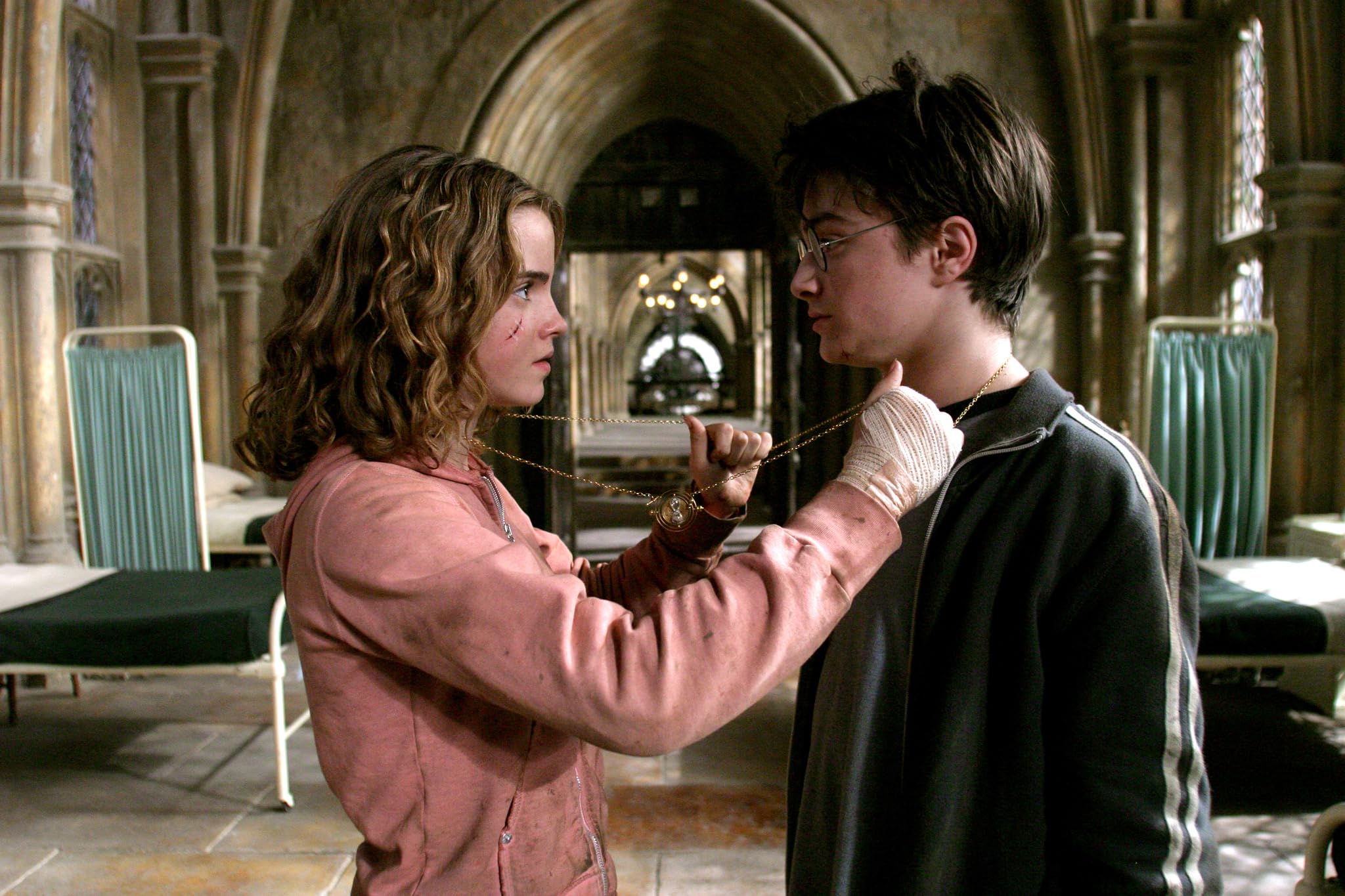
Alfonso Cuarón turned Harry Potter dark, and Guillermo del Toro called him an “arrogant asshole” to make it happen.
Harry Potter Azkaban director Alfonso Cuarón didn’t even want the job at first. In 2003, the Mexican filmmaker had just finished Y Tu Mamá También—a sexually explicit road movie about two teenagers and an older woman—and Warner Bros. came knocking with an offer to direct the third installment of their billion-dollar franchise. Cuarón’s response was basically “this isn’t for me,” which is exactly what you’d expect from someone whose previous film featured a literal naked swimming pool scene.
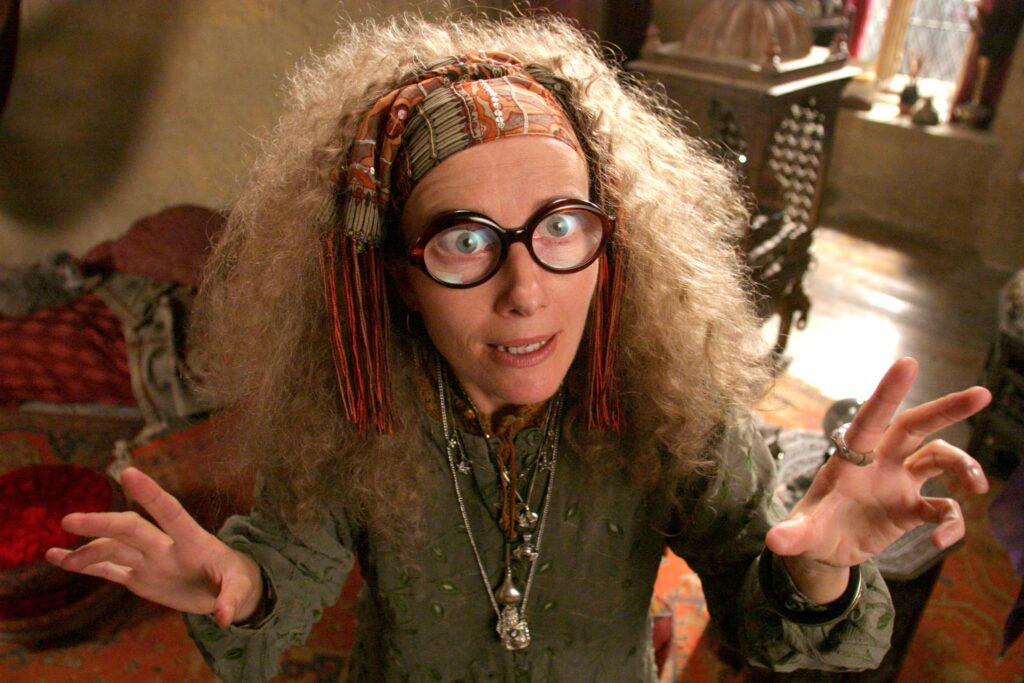
Enter Guillermo del Toro, Cuarón’s longtime friend and fellow director, who responded to this hesitation with the kind of tough love only Mexican auteurs can deliver. According to Cuarón, del Toro called him a “fuckin’ arrogant bastard” in “very florid lexicon” and ordered him to the bookstore immediately. “You’re going right now to the fuckin’ bookshop and get the books and you’re going to read them and you call me right away.” When Guillermo del Toro insults you into taking a job, you take the job.
Harry Potter Azkaban Director Changed Everything
Harry Potter Azkaban director Cuarón had never read the books or seen the first two films when he accepted. This turned out to be an advantage. Where Chris Columbus faithfully adapted J.K. Rowling’s text with a classical Hollywood approach, Cuarón brought a cinematic sensibility that aged the series up exactly when it needed to mature. The opening shot—Harry under his bedsheets practicing “Lumos Maxima” before the camera pulls back through the window and into the clouds—immediately signals that this is a different kind of Potter film.
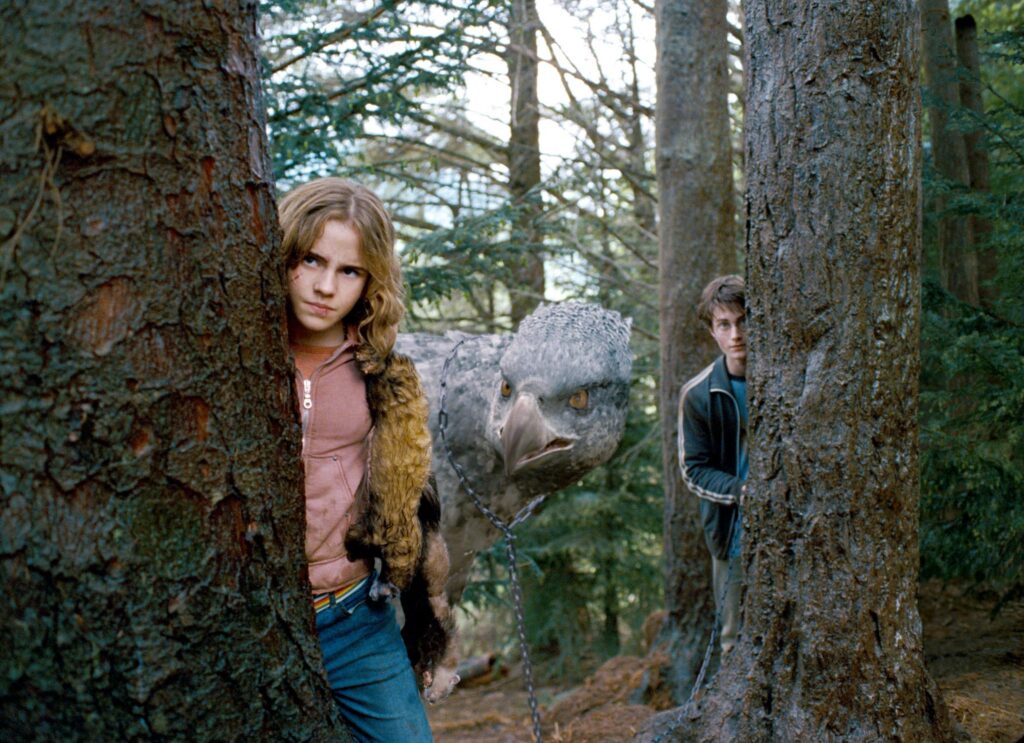
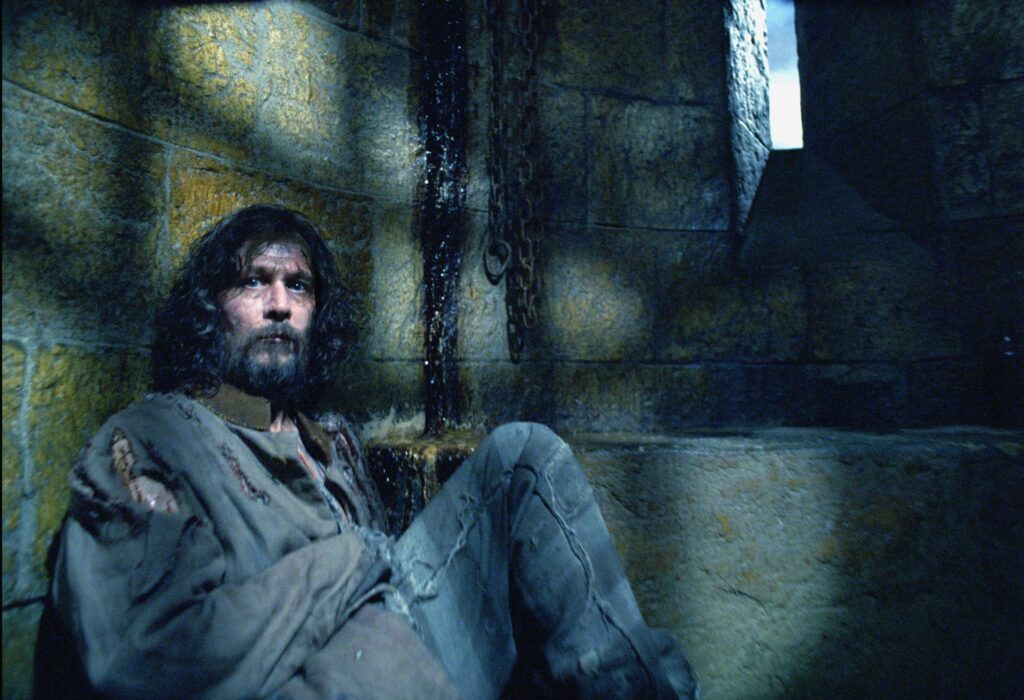
The visual style is darker, literally. Cinematographer Michael Seresin desaturated the color palette, giving Hogwarts a moody, autumnal feel that matches the story’s turn toward serious themes. Sirius Black, the escaped prisoner who supposedly betrayed Harry’s parents, represents genuine danger rather than the cartoonish threats of the first two films. The Dementors—soul-sucking guards of Azkaban—are legitimately terrifying, floating wraiths that made children cry in theaters and parents reconsider their parenting choices.
Cuarón’s casting instincts were equally sharp. He asked the three lead actors to write essays about their characters in first person. Daniel Radcliffe delivered a straightforward one-pager. Emma Watson turned in sixteen pages of Hermione-level thoroughness. Rupert Grint, true to Ron’s character, didn’t turn his in at all. This exercise helped the young cast deepen their performances, and it shows—Azkaban is the first film where they actually feel like teenagers rather than children playing dress-up.
The film grossed $807 million worldwide on a $130 million budget, making it the lowest-grossing Potter film at the time but still a massive success. More importantly, it established the template for the series’ darker middle chapters. Mike Newell and David Yates, who directed the subsequent films, built on Cuarón’s foundation. Without his intervention, we might have gotten eight films of Columbus-style faithful adaptation—fine for children, but lacking the artistic ambition that made Potter a cultural phenomenon.
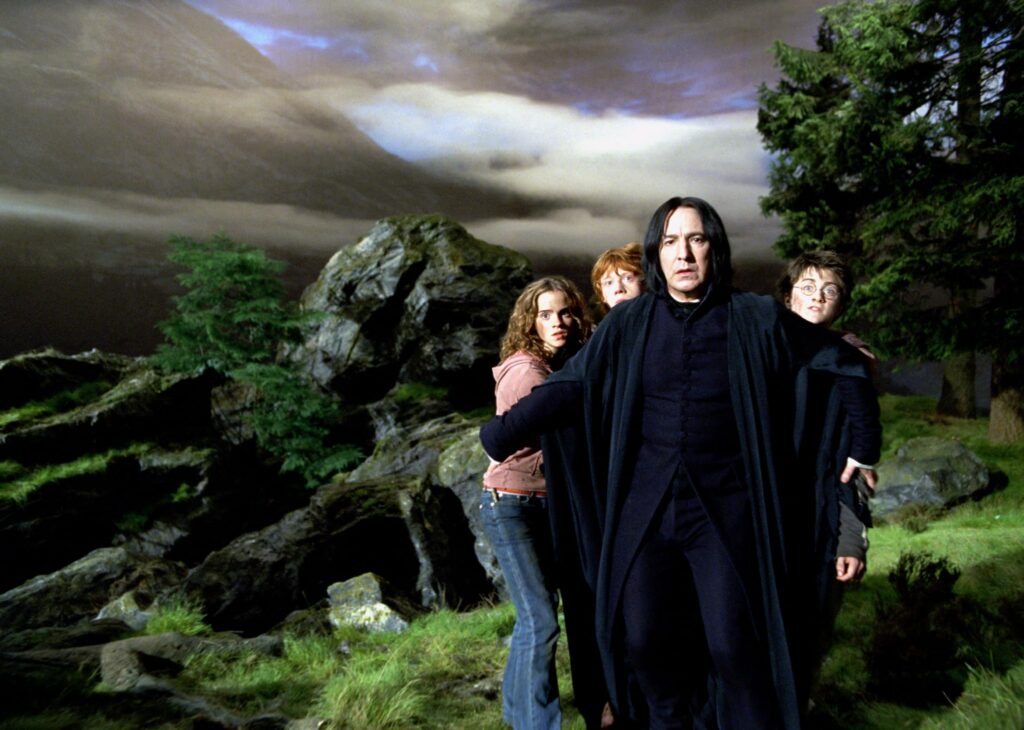
Harry Potter Azkaban director Cuarón went on to win two Oscars for Gravity and Roma, proving that del Toro’s insult was the best career advice anyone ever gave him. Sometimes you need your friends to call you names to realize your own potential.
Rewatch Harry Potter Azkaban director Cuarón’s masterpiece and see where the series grew up.