
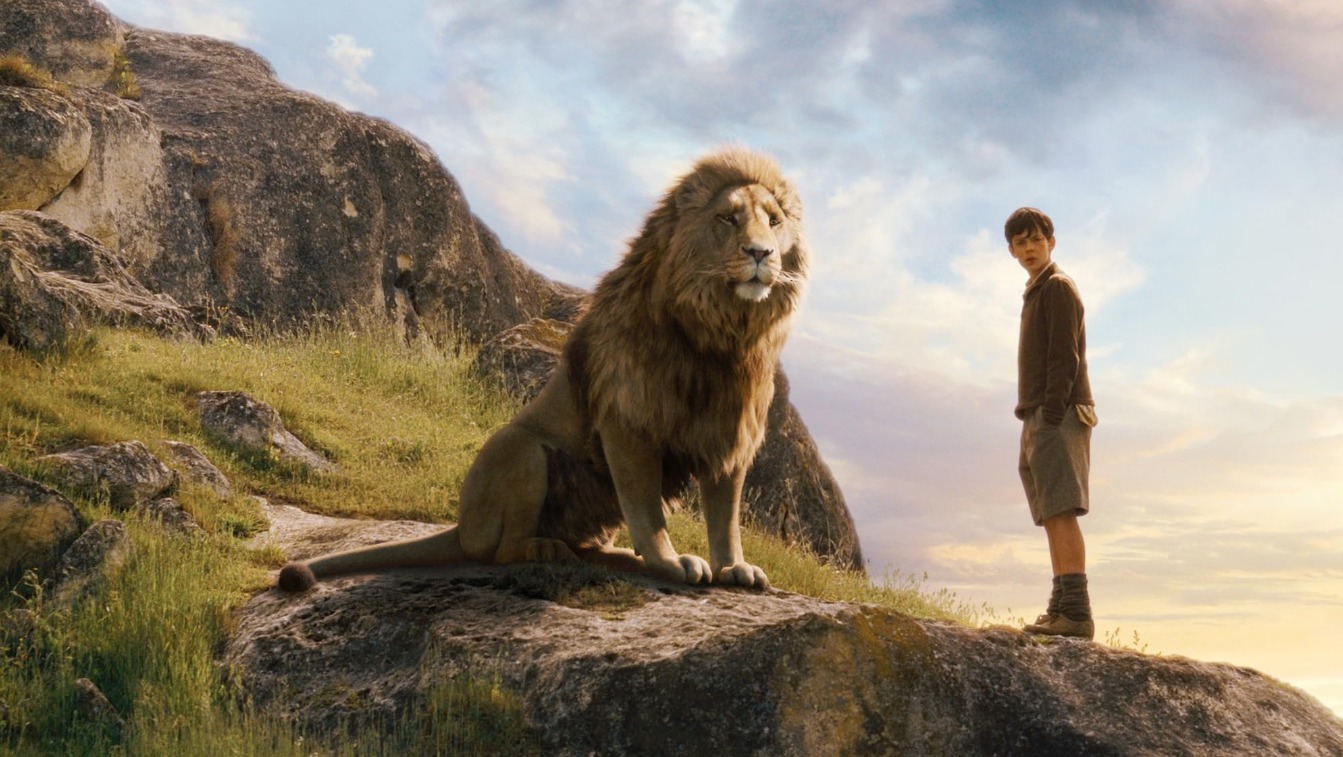
The casting of Meryl Streep as Aslan in Netflix’s Narnia has raised a question that goes beyond whether her voice suits a talking lion. Some viewers worry that the adaptation could soften or remove the Christian themes woven into C. S. Lewis’s stories, while others argue that a new voice does not automatically change the character’s meaning.
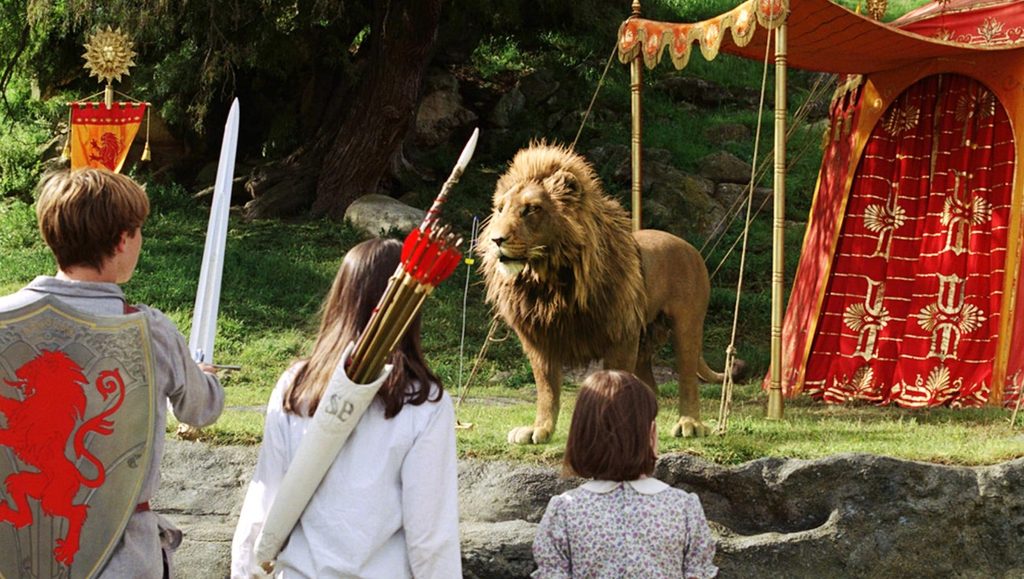
Aslan is not just another fantasy creature. In The Lion, the Witch and the Wardrobe, the lion sacrifices himself to save Edmund and returns to life, echoing the Christian story of death and resurrection. The Magician’s Nephew approaches faith through creation, temptation and choice. Aslan sings Narnia into existence, while Digory must resist Jadis’s offer of a forbidden fruit.
That distinction matters because adaptations have to turn literary symbolism into images, dialogue and performances. A film can preserve events while changing their tone, or keep the broad plot and quietly discard the themes that gave it meaning. Yet Netflix has not confirmed plans to remove Lewis’s Christian elements. A casting choice alone cannot establish that.
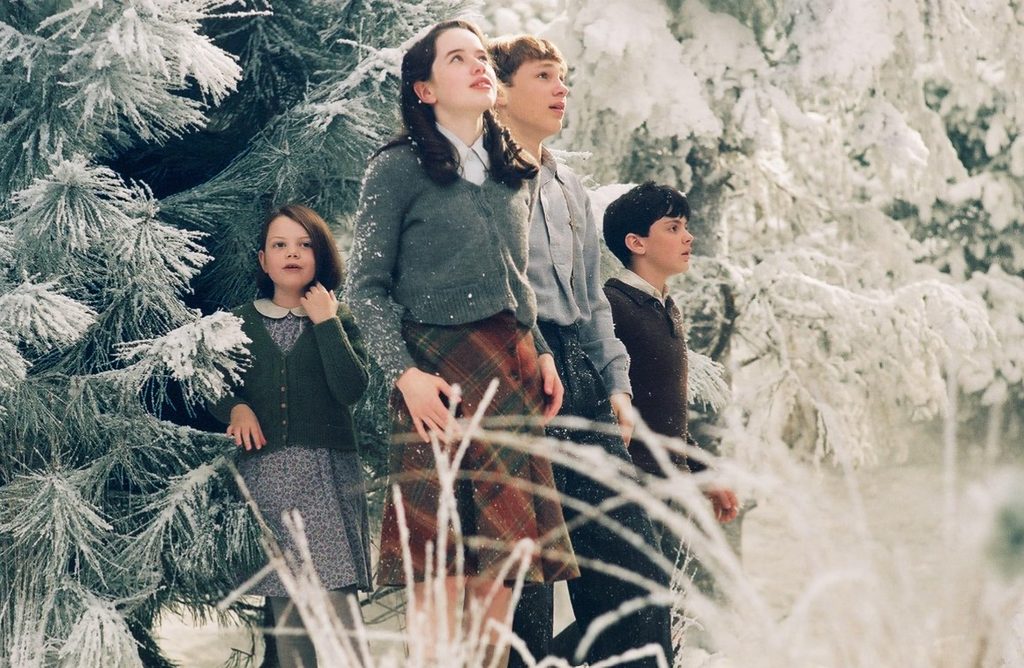
Streep’s involvement has become a lightning rod because Aslan is traditionally presented as a male lion and is widely read as a Christ-like figure. Yet a woman voicing a male character does not make the character female, just as an actor’s real identity does not have to match every detail of the person or creature they portray. The relevant question is what the finished performance communicates, not what viewers imagine from a casting announcement.
There is also a practical reason to judge the work after seeing it. The Magician’s Nephew is about the creation of Narnia, and Aslan’s song is central to that event. The first poster places the Great Lion’s silhouette against a field of stars, visually pointing toward the moment when a world comes into being. It offers little evidence about the film’s theology, but keeps Aslan central.
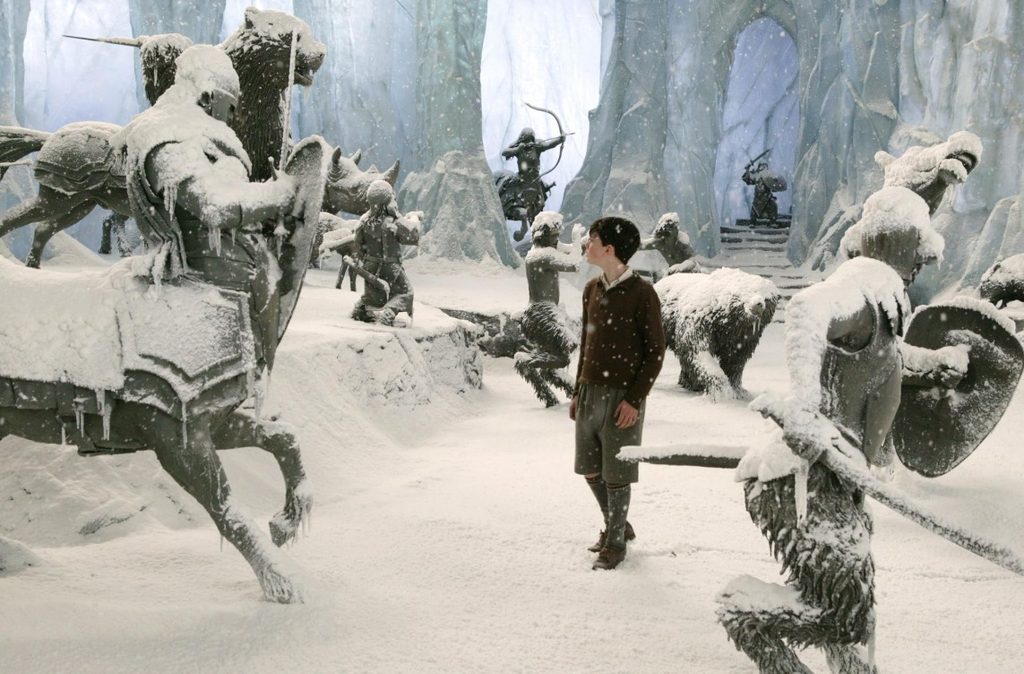
The cast includes David McKenna as Digory, Beatrice Campbell as Polly, Emma Mackey as Jadis, Daniel Craig as Uncle Andrew and Carey Mulligan as Digory’s mother. Those roles leave room to retain the book’s moral questions without copying every sentence onto the screen.
Faithful adaptation does not require every detail to remain untouched. Film has different demands from a novel, and directors inevitably make choices about pacing, performance and visual language. Yet there is a difference between changing a detail and removing the foundation of a story. For readers who consider the Christian symbolism essential, it is reasonable to watch for that distinction.
The fairest test is what the film actually shows. Does Aslan remain the creator and moral center of Narnia? Does Digory’s choice retain its ethical weight? Does the story let temptation and mercy matter beyond the immediate adventure? Those answers will say far more than an announcement about who provides the lion’s voice.
Narnia: The Magician’s Nephew reaches theaters in February 2027 before streaming on Netflix in April. Until the trailer and full film reveal more, claims that the adaptation has abandoned its Christian roots remain speculation, not established fact.
Also Read: Narnia’s 1950s Setting Risks Breaking the Pevensies’ Timeline