
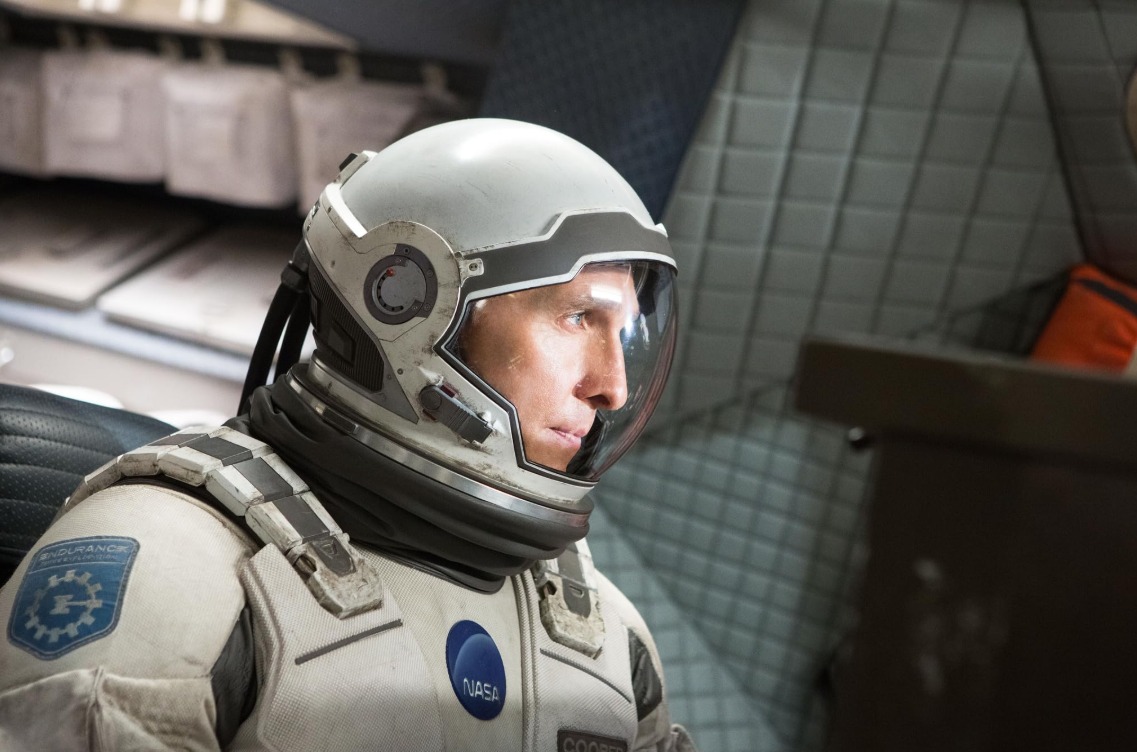
Interstellar is almost twelve years old, but one of its most famous time calculations gives the anniversary a strange twist. Under the film’s rules, roughly 12 years on Earth would equal only about one hour and 43 minutes on Miller’s planet. So while audiences have spent more than a decade revisiting Christopher Nolan’s space epic, barely enough time for a long movie has passed on that ocean-covered world.
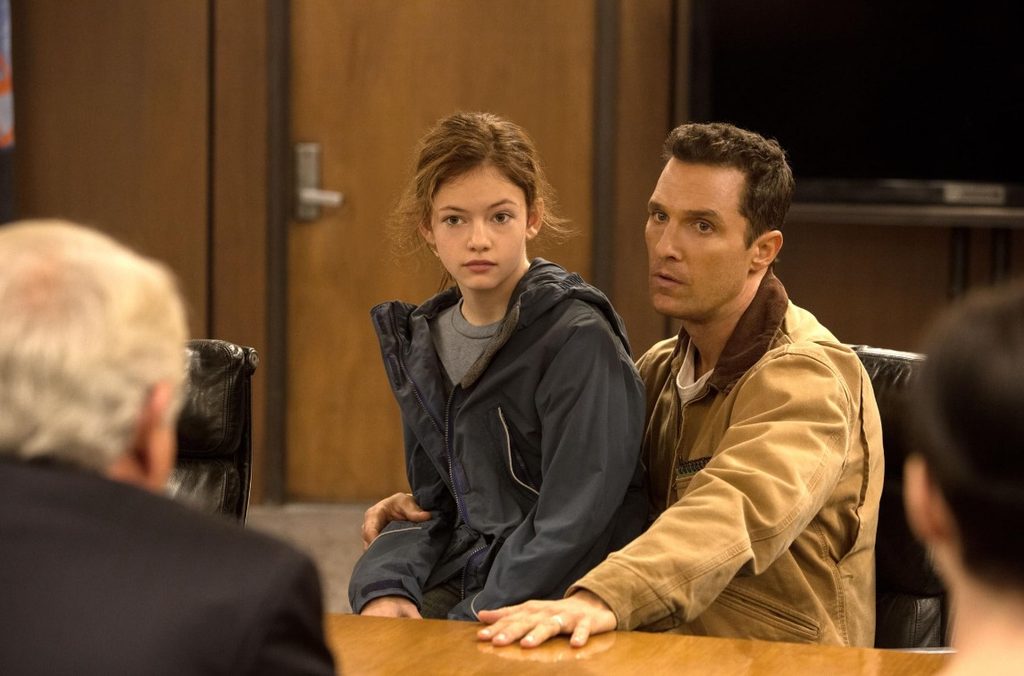
The idea comes from one of the film’s most memorable scenes. Cooper, Brand and Doyle travel down to Miller’s planet, which orbits close to the enormous black hole Gargantua. The planet’s extreme gravity causes time to pass far more slowly there than it does for people farther away. The film states that one hour on the surface equals seven years back on Earth. That difference turns a brief scouting mission into a devastating loss for the crew waiting aboard the Endurance.
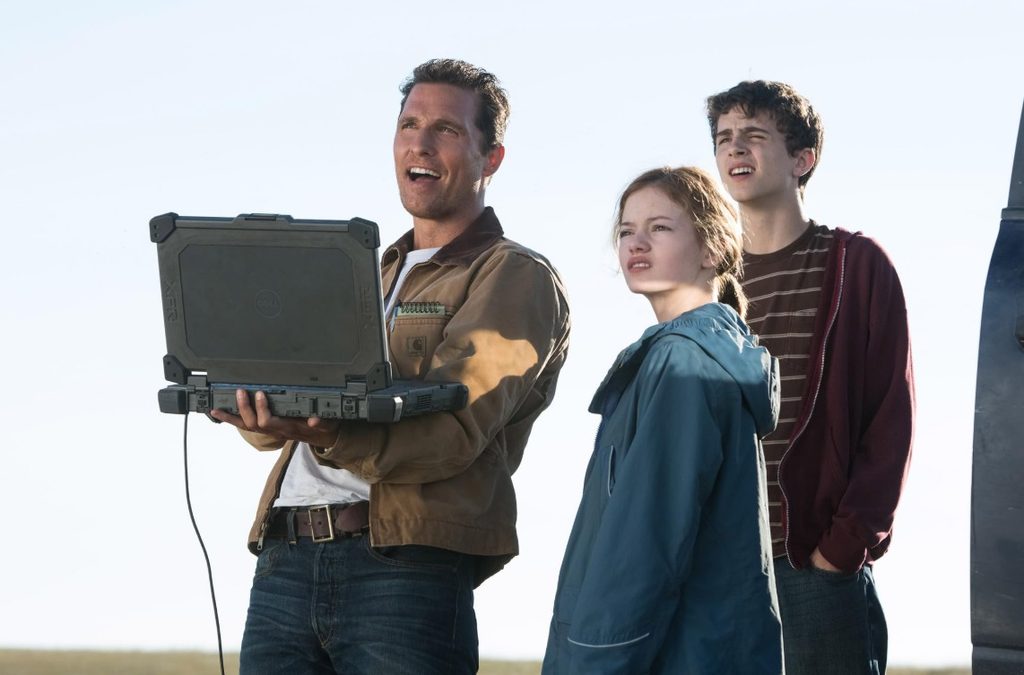
The maths behind the anniversary joke is surprisingly straightforward. Divide the nearly twelve years since Interstellar’s 2014 release by seven, and you get approximately 1.7 hours. That works out to around one hour and 43 minutes. It is not an exact measurement of the fictional planet’s clock, but it is close enough to make the comparison work.
The time dilation idea is based on general relativity, which predicts that gravity affects how quickly time passes. Near an extremely massive object, clocks can run more slowly relative to clocks farther away. Interstellar uses a rapidly spinning black hole to create the extreme difference. Physicist Kip Thorne served as the film’s scientific adviser and helped Christopher Nolan build a version of Gargantua that had a grounding in real equations.
That does not mean every part of the scenario is a practical possibility. A habitable planet orbiting so close to a black hole would face enormous tidal forces and other conditions that make the setup highly speculative. The film takes a scientific principle and pushes it into a dramatic situation, which is part of what makes the scene memorable.
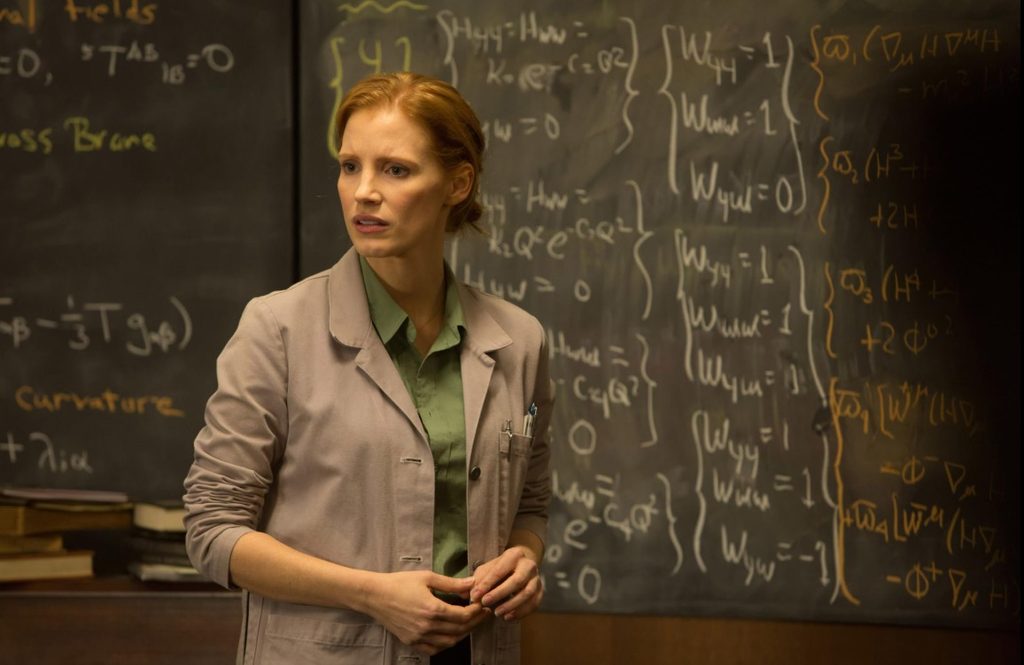
The sequence also matters emotionally. When Cooper’s crew returns to the Endurance, they discover that Romilly has aged by more than two decades while they were away. The delay is not just a clever science-fiction detail. It shows the personal cost of every decision made during the mission, especially for Cooper, who is already struggling with the years he has spent away from his children.
Matthew McConaughey leads the film as Cooper, with Anne Hathaway as Brand, Jessica Chastain as his adult daughter Murph and Michael Caine as Professor Brand. The cast also includes Matt Damon, David Gyasi and Mackenzie Foy. Hans Zimmer’s organ-heavy score adds to the sense of scale, while Hoyte van Hoytema’s cinematography gives the space sequences a physical quality that still holds up on a large screen.
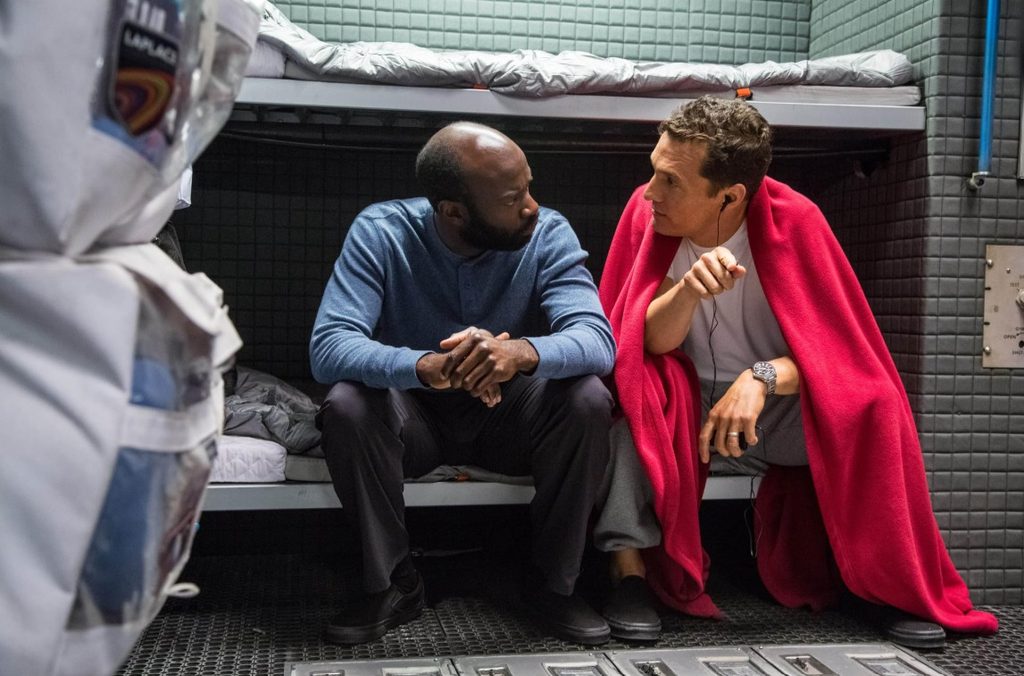
Interstellar opened in November 2014 and has remained a regular part of science-fiction discussions because it combines family drama with ambitious space science. The anniversary calculation is a fun detail, but it also points to why the film works: its strangest ideas are tied to real emotional consequences.
Also Read: Eva Green Nude Roles Raise a Hollywood Casting Question