
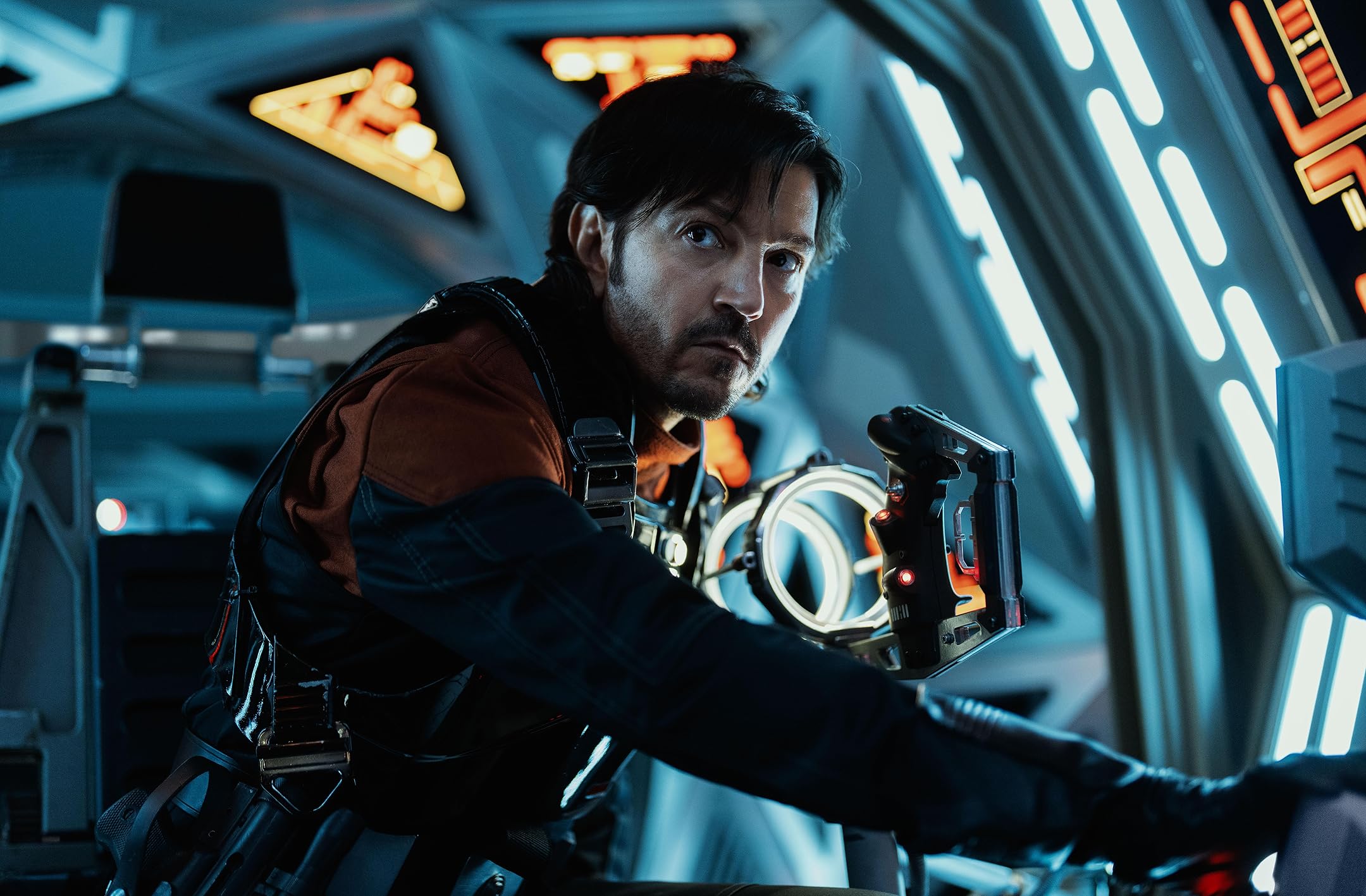
There is a particular joy in recognizing something familiar in an unexpected place—a familiar face in a crowd, a favorite song in a coffee shop, or in this case, the Imperial Palace on Coruscant showing up in Andor Season 2 like an old friend who owes you money. Tony Gilroy’s spy thriller has always been the most grounded entry in the Star Wars universe, focusing on paperwork and boardroom betrayals rather than lightsaber duels. But in Season 2, the show has embraced its place in the larger saga, dropping references to locations that span decades of in-universe history and make fans point at their screens like Leonardo DiCaprio in that meme.
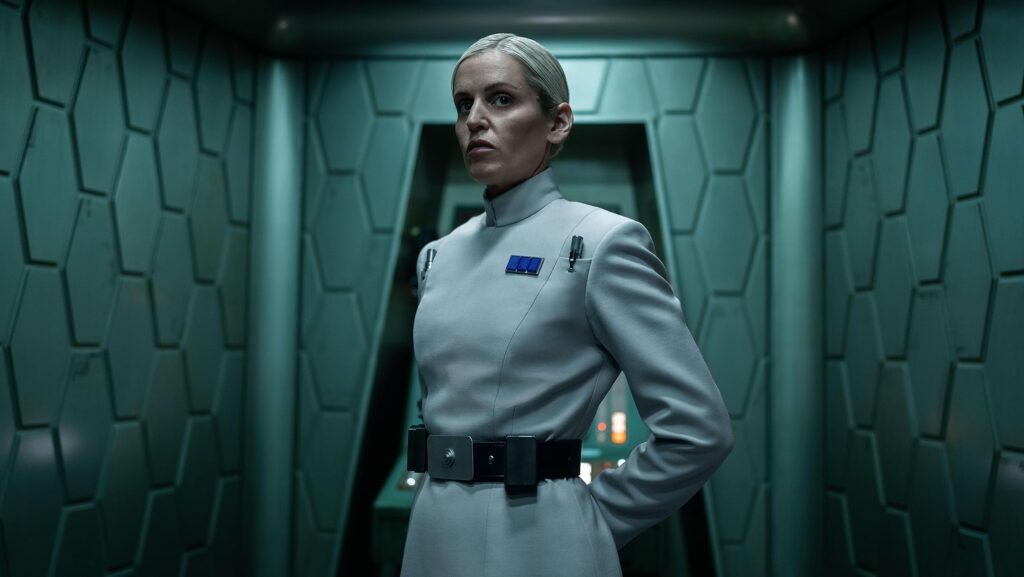
Coruscant serves as the primary stage for the season’s political machinations, specifically the Imperial Senate where Mon Mothma is playing a dangerous game of rhetoric and subterfuge. The show utilizes the capital planet with the kind of architectural grandeur that reminds you why this was the seat of the Republic for thousands of years. When the action moves to the Imperial Palace—formerly the Jedi Temple—the weight of history becomes palpable. This is the building where Anakin Skywalker murdered children, where Emperor Palpatine consolidated power, and now where Cassian Andor’s story intersects with the highest levels of Imperial bureaucracy.
But Gilroy isn’t content with just the obvious locales. Chandrila, Mon Mothma’s home planet, gets its moment in the spotlight—a Core World that represents the idealistic center of the Rebellion’s political philosophy. Hardcore fans will recognize it as the birthplace of Ben Solo and the first capital of the New Republic, while newcomers will simply appreciate it as a place where the trees outnumber the skyscrapers, a rarity in the industrialized galaxy.
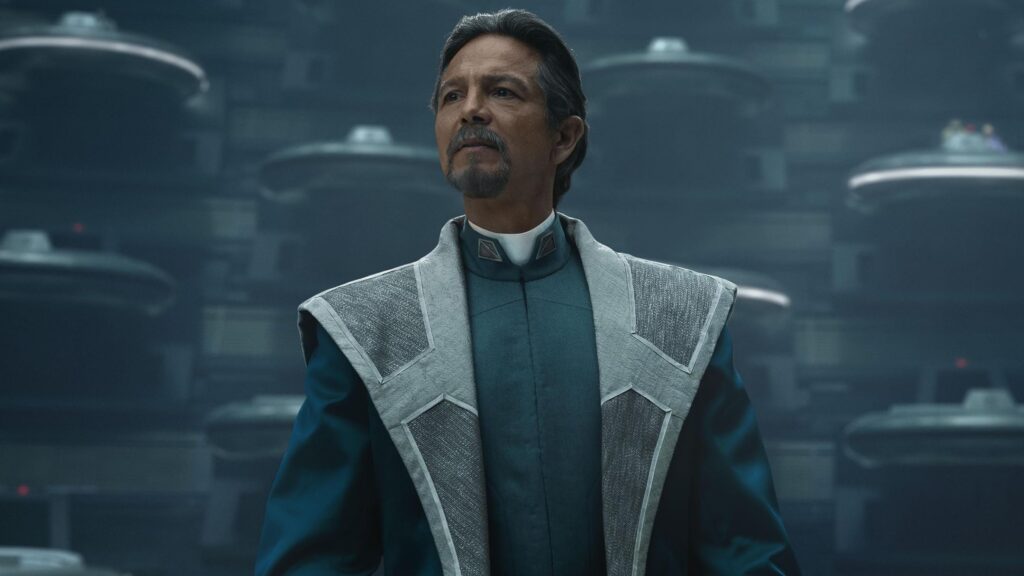
The real deep cuts come with Scarif, the tropical planet that served as the setting for Rogue One’s third act. In Andor Season 2, characters mention the Imperial facility being constructed there, the same facility that will eventually house the Death Star plans. It’s foreshadowing for viewers who know how Cassian’s story ends, a bittersweet reminder that every victory in this show leads inevitably to his death on that beach. The writers are essentially showing us the scaffolding before the building collapses, and it’s devastating.
Aldhani, the planet from Season 1’s heist episode, gets referenced as well, cementing its place in the canon as the turning point when the Rebel Alliance stopped being a theoretical concept and became a military reality. The location scouting for these planets deserves special mention—every frame feels lived-in, with architectural styles that suggest millennia of cultural development rather than the “one biome per planet” approach that plagued the prequels.
What makes these locations sing is how they’re used. Coruscant isn’t just a backdrop for chase scenes; it’s a character in the political drama, a place where the architecture of power is literally built on the bones of the Jedi. When characters walk through the Imperial Palace, the camera lingers on the statues and murals that used to celebrate the Force, now repurposed to celebrate military might. The location callbacks aren’t just fan service; they’re thematic reinforcements of what the Rebellion is fighting to preserve.
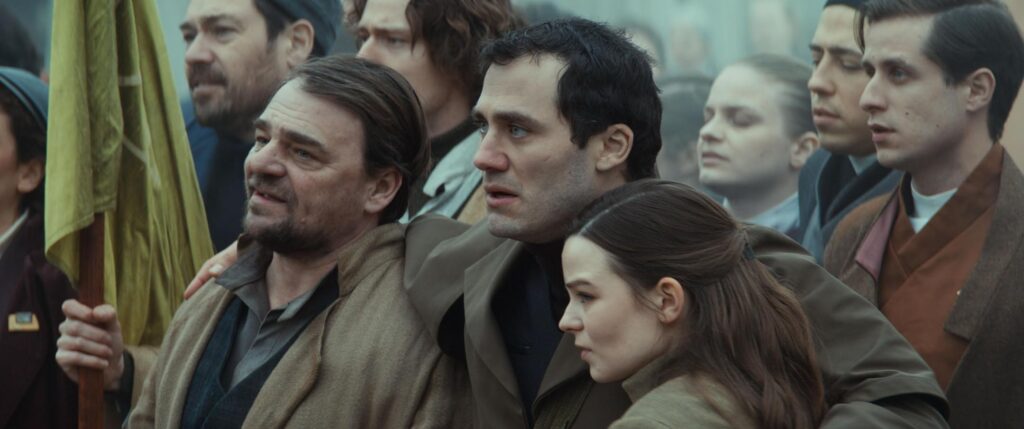
The density of references in Season 2 suggests that Gilroy and his team are operating with the confidence of storytellers who know exactly where this train is headed. Every familiar planet, every mention of a location from the films or the expanded universe, serves as a waypoint on the journey to Rogue One and beyond. For fans who have spent decades exploring this galaxy, it’s a reward for paying attention. For newcomers, it’s simply good world-building that suggests a history larger than any single series.
Andor continues to prove that Star Wars works best when it treats its universe as a real place with geography, politics, and consequences. The locations aren’t just sets; they’re homes, workplaces, and battlegrounds. When Cassian walks through a street on Coruscant, you can see the layers of history in the architecture—the Republic era buildings repurposed for Imperial use, the wear and tear of daily life, the sense that people actually live here rather than just visiting for the plot.
The galaxy far, far away has never felt closer.
Explore the galaxy—stream Andor Season 2 on Disney+ and spot all the classic Star Wars locations that tie this spy thriller to the larger saga.
Also Read: Doctor Doom Might Stick Around After Secret Wars and the MCU Will Never Be the Same