
For forty-five years, Star Wars fans accepted a narrative quirk that made no sense if you thought about it for more than five seconds. In A New Hope, Princess Leia Organa sends a holographic message to Obi-Wan Kenobi calling him her “only hope” and then, later, comforts Luke Skywalker when the old Jedi dies, despite having just watched her entire planet and adoptive parents get vaporized. The emotional math didn’t add up—why would Leia mourn a hermit she’d never met more than her own world?
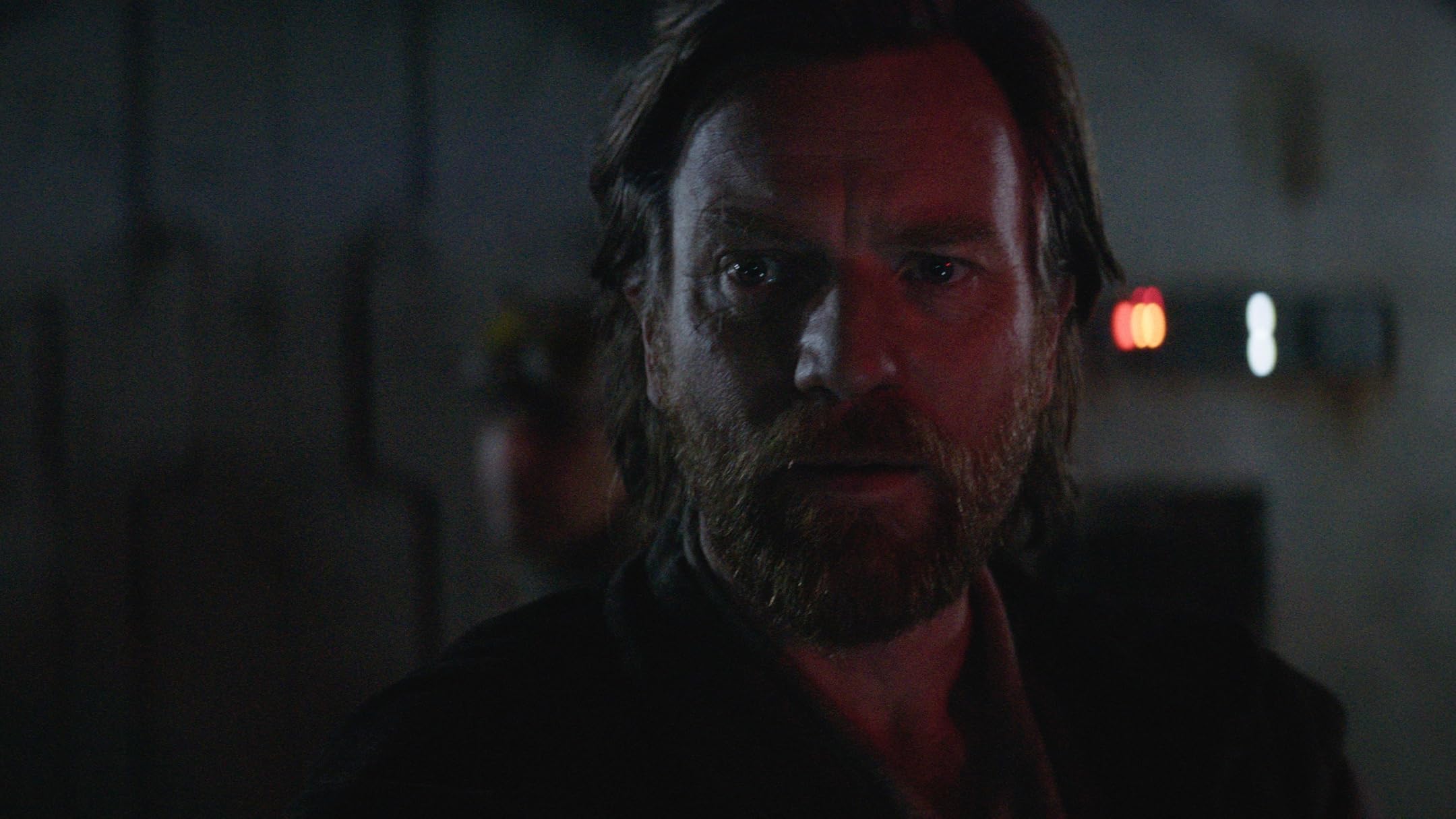
The Obi-Wan Kenobi series didn’t just address this plot hole; it made it the emotional anchor of the entire show. By sending Obi-Wan on a rescue mission to save ten-year-old Leia from kidnappers, the series established a bond between the princess and the Jedi that retroactively validates every moment of their relationship in the original trilogy. It turns out Leia didn’t send that message out of political obligation or her father’s instructions—she sent it because Obi-Wan had once saved her life, held her hand, and told her she was brave.
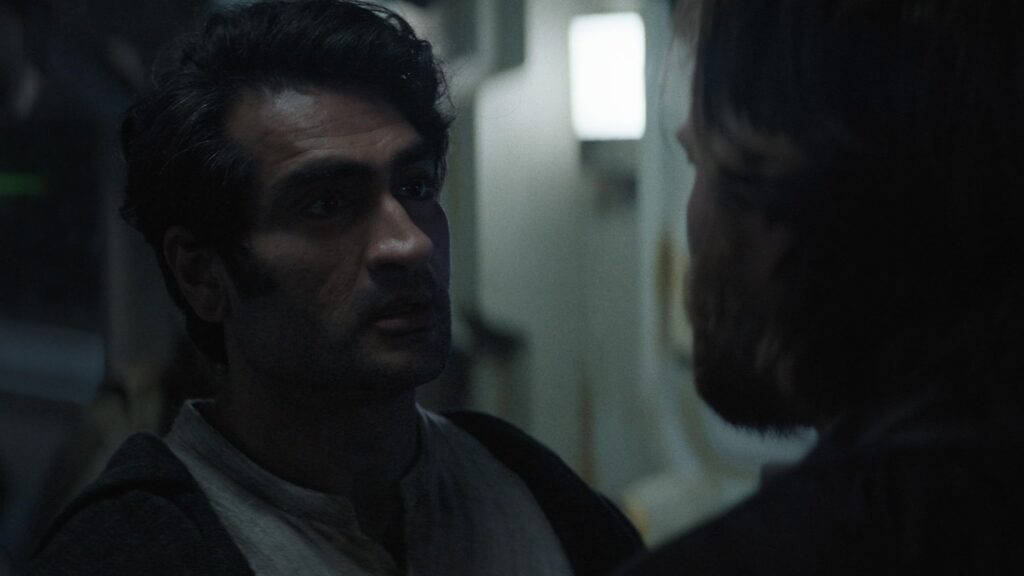
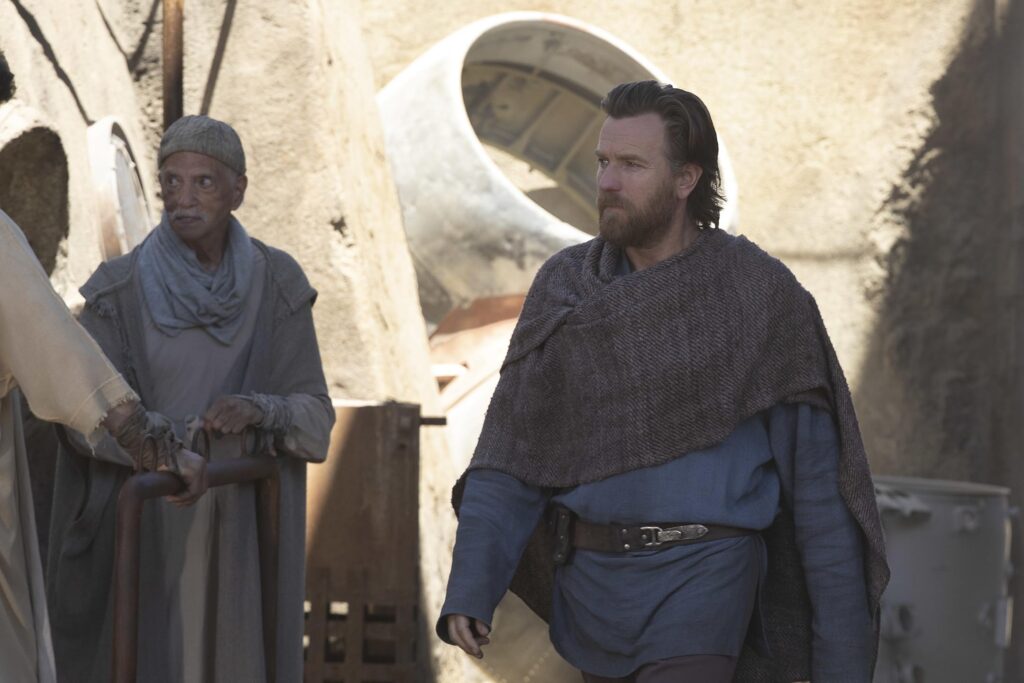
The series, set ten years after Revenge of the Sith, finds Obi-Wan broken and hiding on Tatooine, watching over Luke from a distance but having severed all ties to his past as a Jedi. When Leia is kidnapped by mercenaries hired by the Inquisitor Reva, Bail Organa appeals to his old friend for help, and Obi-Wan reluctantly leaves his exile to track her down. What follows is a galaxy-spanning adventure that forces the traumatized Jedi to reconnect with his abilities and his purpose, all while protecting a child who is simultaneously fearless and fragile.
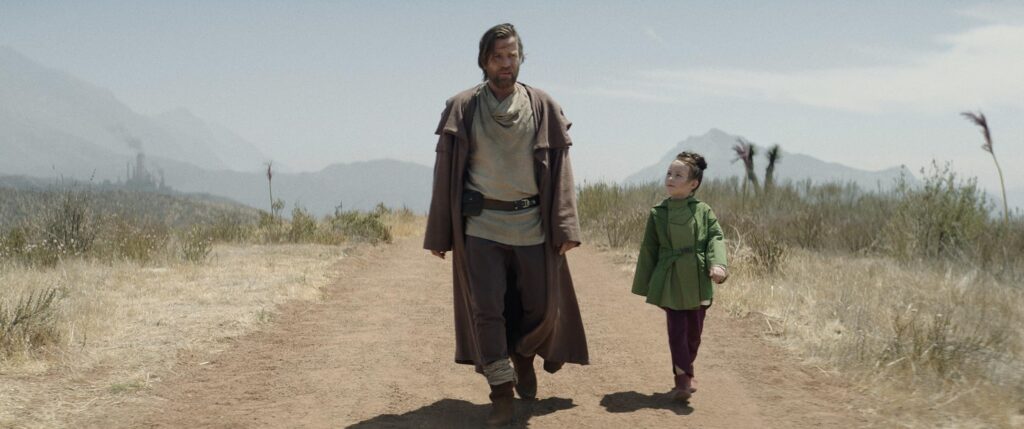
Vivien Lyra Blair plays young Leia with the perfect mixture of precociousness and vulnerability. This isn’t the battle-hardened senator we meet in A New Hope; this is a child who has grown up in privilege but suspects she’s different, who chafes against the restrictions of royalty while craving genuine connection. When she first meets Obi-Wan, she doesn’t trust him—he’s just another adult who wants to tell her what to do. But as they travel together, as he protects her from Inquisitors and bounty hunters, as he uses the Force to save her from a fall that should have killed her, she begins to see him as something more than a bodyguard.
The relationship that develops is genuinely touching. Obi-Wan, who has lost everything—his Order, his friends, his purpose—finds redemption in protecting this child. He tells her stories about her birth parents, describes Padmé as wise and kind and Anakin as passionate and fearless, giving Leia the connection to her heritage that she has been denied. By the time they reach the safe house on Jabiim, Leia has attached herself to Obi-Wan with the fierce loyalty that will define her character for the rest of her life.
When they part ways, it’s with the understanding that they will meet again. Obi-Wan tells her that she’ll see him when she needs his help, setting up the events of A New Hope perfectly. The hologram message—”Help me Obi-Wan Kenobi, you’re my only hope”—transforms from a desperate plea to a personal request between friends. When Luke tells her that Obi-Wan is dead, she’s not just mourning a political ally or a legendary Jedi; she’s mourning the man who once carried her through a war zone and told her she was strong.
The series also fixes another mystery: why Leia named her son Ben. In the sequel trilogy, it seemed odd that she would name her child after a man she supposedly only knew as a hologram. But after spending days with Obi-Wan, after bonding over their shared losses and their hope for the future, after watching him sacrifice his safety for hers, of course she would name her son after him. It’s not just a tribute to a legend; it’s a tribute to a friend.
Ewan McGregor and Vivien Lyra Blair have the kind of chemistry that carries an entire series. Their scenes together balance humor and heart, with Leia’s stubbornness pushing against Obi-Wan’s weariness until they find a rhythm that works for both of them. By the end, when Obi-Wan tells her that she’s wise, discerning, kindhearted, passionate, fearless, and forthright—attributing these qualities to her parents but really describing the woman she will become—it’s impossible not to get emotional.
The Obi-Wan Kenobi series has its flaws. The pacing drags in the middle episodes. The Reva storyline doesn’t quite land. But the central relationship between Obi-Wan and Leia is so perfectly realized, so essential to understanding the original trilogy, that it justifies the entire project. It turns a confusing plot point into a beautiful character beat, and it gives us one more reason to love both of these characters.
Some things are worth waiting forty-five years to understand.
Rediscover the connection—stream Obi-Wan Kenobi on Disney+ and see how one adventure changed everything we thought we knew about A New Hope.
Also Read: Andor Season 2 Is Playing the Greatest Hits of Star Wars Lore and We’re Here for It