
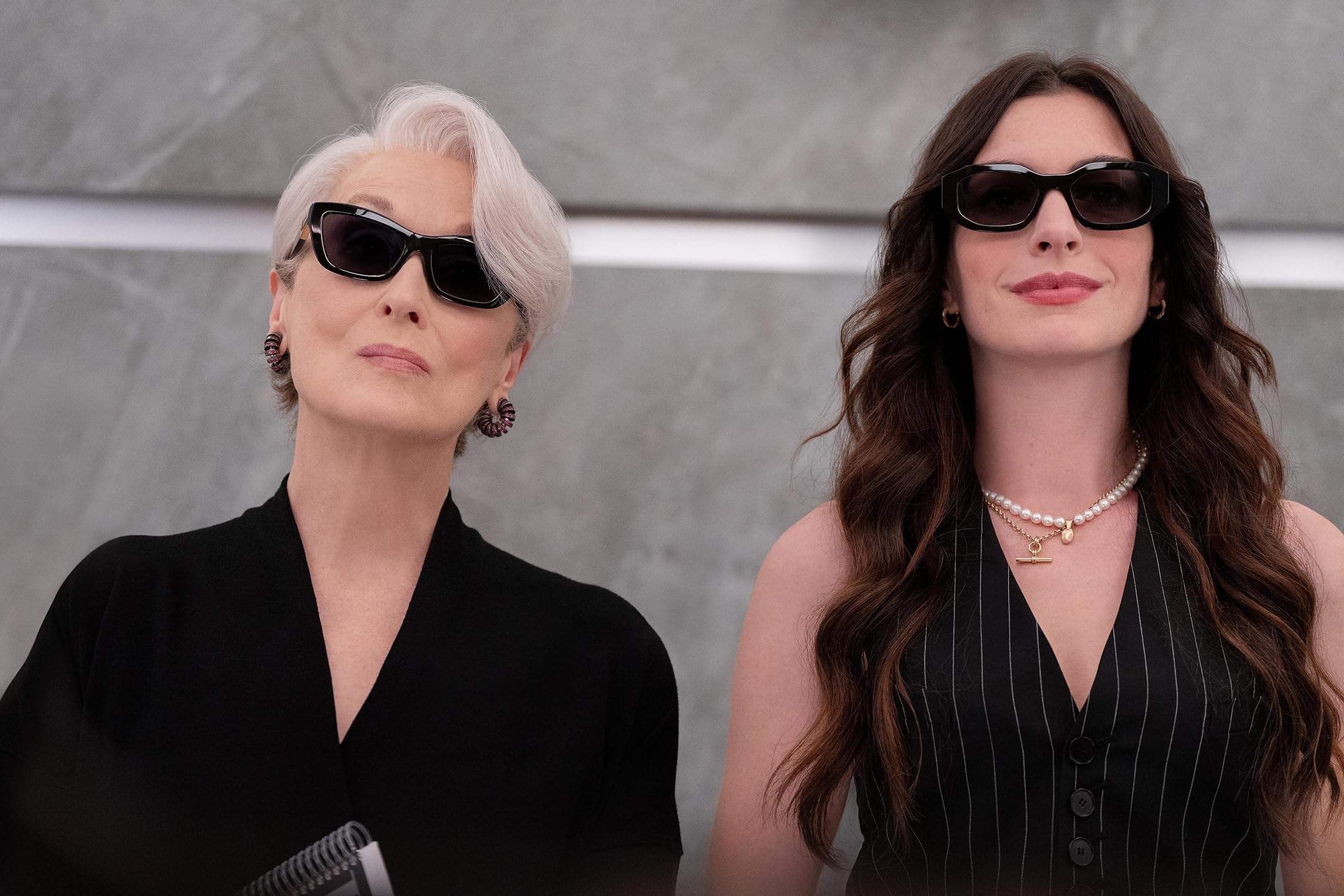
Anne Hathaway quit Knocked Up over a graphic birthing scene that Seth Rogen says “was not her brand.” Here’s the wild casting story.
Anne Hathaway Knocked Up drama is the kind of Hollywood casting story that makes you grateful for second choices. Back in 2006, Hathaway was originally cast as Alison Scott, the entertainment journalist who gets pregnant after a one-night stand with Seth Rogen’s slacker Ben Stone. She had the role locked. She was doing press. And then she saw the script’s “crowning” scene and promptly exited stage left.
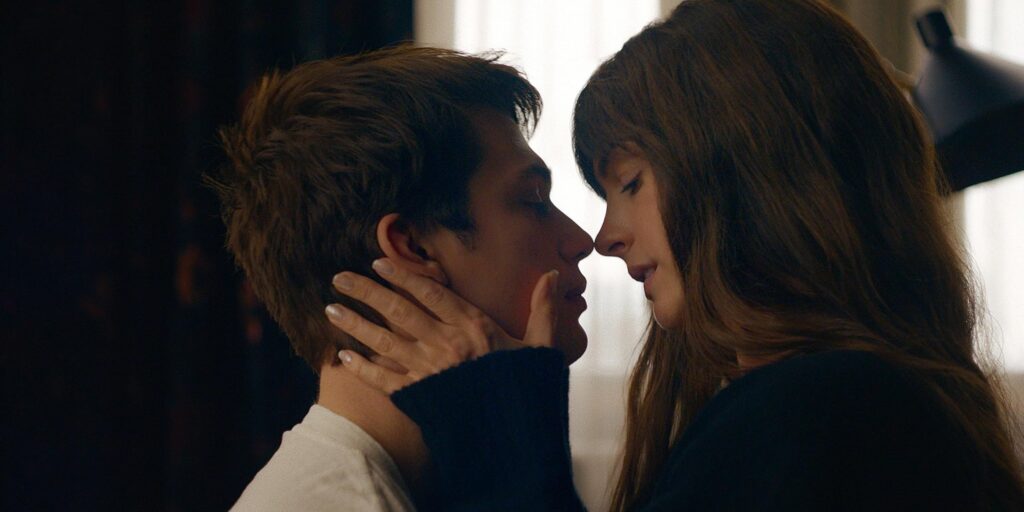
Seth Rogen recently recalled the incident with the kind of blunt honesty that only comes from nearly two decades of distance. According to Rogen, Hathaway “felt that it was not her brand” to appear in a sequence depicting the graphic realities of childbirth. Judd Apatow, who directed and co-wrote the film, had planned to use actual footage of a woman giving birth for the scene—a detail that apparently crossed a line for Hathaway’s comfort level. She dropped out, Jennifer Love Hewitt and Kate Bosworth auditioned, and Katherine Heigl ultimately landed the part that would define her career for better and worse.
Anne Hathaway Knocked Up what-if scenarios are fascinating to consider. Would the film have hit differently with Hathaway’s more polished, princess-diaries energy in the lead? Heigl brought a specific sharpness to Alison—a career woman navigating unexpected motherhood with visible frustration—that grounded the comedy in something real. Hathaway might have made it sweeter, which could have worked against the film’s grubby authenticity. Sometimes the universe knows what it’s doing.
The “crowning” scene itself became one of Knocked Up’s most talked-about moments, a graphic birthing sequence that split audiences between “finally, honesty about childbirth” and “I did not need to see that in a comedy.” Heigl committed fully, and the scene remains a benchmark for how far studio comedies were willing to push in the mid-2000s. Anne Hathaway Knocked Up avoidance suddenly looks like smart career calculus—she went on to win an Oscar for Les Misérables and become one of Hollywood’s most bankable stars, while Heigl spent years trying to shake off the “difficult” label that Knocked Up publicity helped cement.
What’s particularly funny about this story is how it highlights the gap between actor brands in 2006. Hathaway was still transitioning from Disney princess to serious adult performer. A graphic birthing scene would have been jarring for audiences who knew her from The Princess Diaries and Ella Enchanted. Rogen’s assessment that it “was not her brand” is hilariously reductive but also accurate. Hollywood typecasting is real, and Hathaway’s team understood exactly where she fit in the ecosystem.
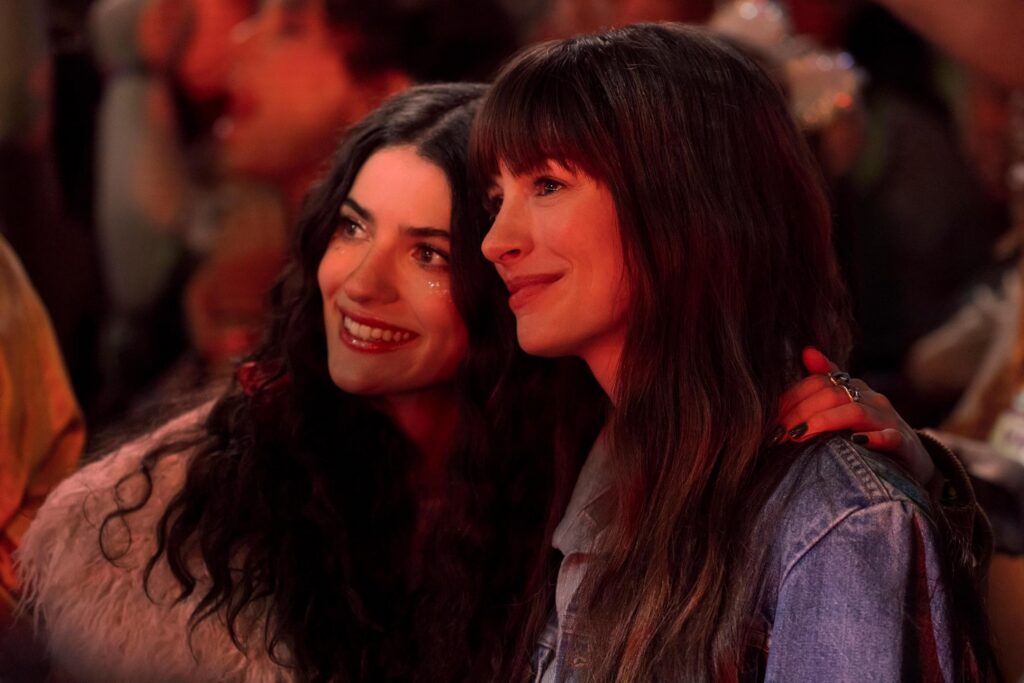
The irony, of course, is that Hathaway has since done far more challenging material than any birthing scene. She went full Method for Les Misérables, cutting her hair and singing live while starving herself. She played a recovering addict in Rachel Getting Married. She survived The Intern opposite Robert De Niro. Anne Hathaway Knocked Up avoidance wasn’t about fear—it was about timing, image control, and knowing which battles to fight at which career stage.
Sometimes the best performance is the one you never give.
Rewatch Anne Hathaway Knocked Up replacement Katherine Heigl in the actual film, streaming now, and decide for yourself who was right.
Also Read: Evil Dead Burn Final Cut Brutal