
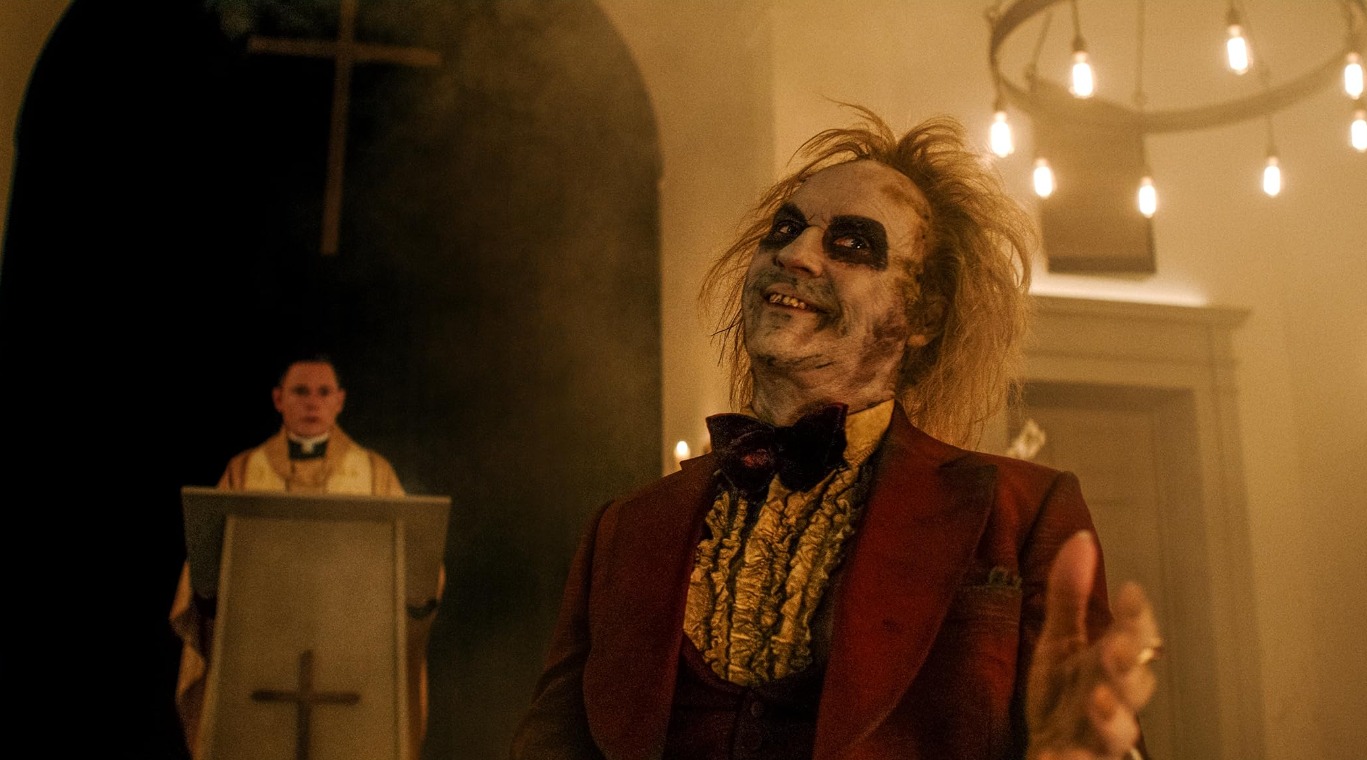
Beetlejuice Beetlejuice has one especially memorable weapon in its arsenal: the grotesque little Beetlejuice baby. The 2024 sequel is packed with returning characters, new supernatural complications and enough afterlife detours to fill a filing cabinet, yet the tiny, squirming version of its title character is the detail that keeps sticking in viewers’ minds.
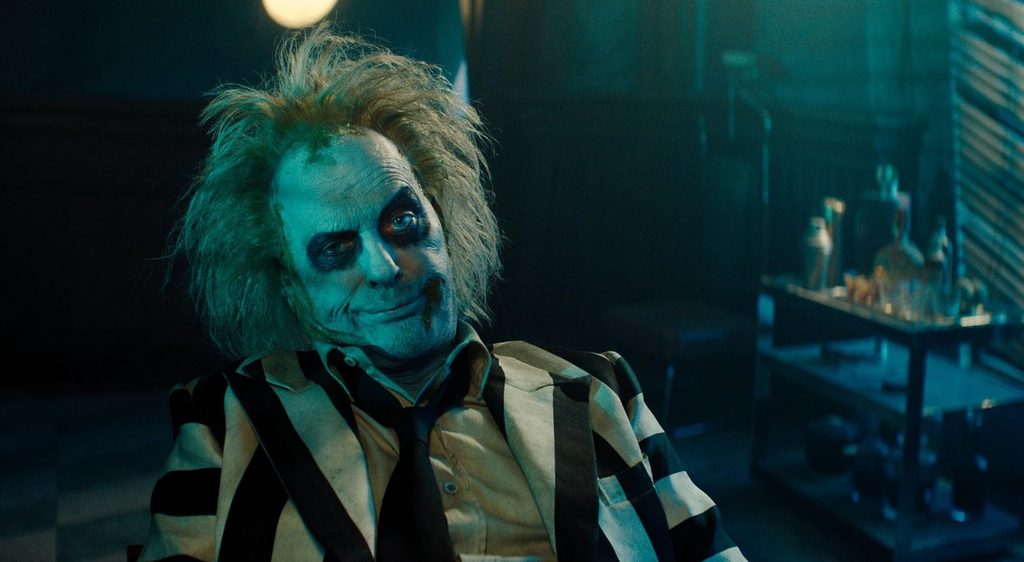
Tim Burton brings Michael Keaton back as Beetlejuice, with Winona Ryder returning as Lydia Deetz and Catherine O’Hara reprising Delia. Jenna Ortega joins as Lydia’s daughter Astrid, whose accidental trip into the afterlife kicks off the main crisis. The film has a solid reason to revisit Winter River, but it also has a lot of business to juggle, from Lydia’s strained relationship with Astrid to Beetlejuice’s dangerous ex-wife Delores and a new romance that goes horribly wrong.
That abundance is both the sequel’s selling point and its biggest problem. Burton’s afterlife is full of odd little details, practical effects and creatures that look as though they escaped from a very specific childhood nightmare. There is a train carrying the dead, a bureaucratic police force and a baby Beetlejuice sequence that is equal parts disgusting and funny. The world is full of personality, and the film looks far more tactile than the smooth digital fantasy that dominates many studio releases.
Keaton remains the film’s secret weapon. Even when the screenplay makes Beetlejuice seem less threatening than he once was, the actor’s physical comedy keeps the character unpredictable. His voice, movements and gleeful lack of manners remain instantly recognizable. He does not need to be on screen constantly, and the movie is often funnier when it saves him for a well-timed appearance.
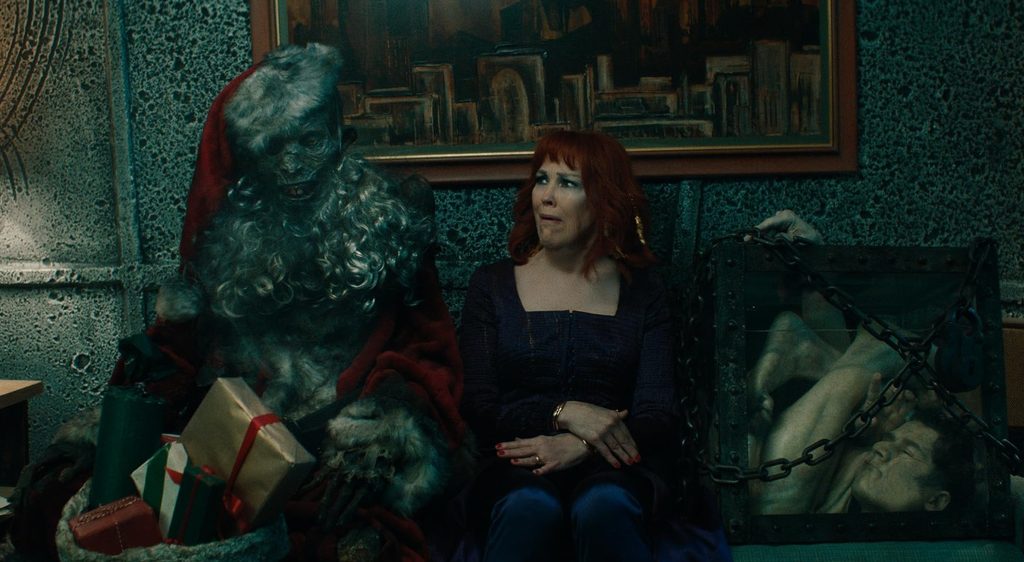
Still, Beetlejuice Beetlejuice struggles to give every subplot enough space. Delores is introduced as a major threat, yet her story is resolved so quickly that she can feel like an elaborate detour. Astrid’s relationship with Jeremy adds a horror element of its own, but its consequences are not always balanced with the main plot. The film also moves at a brisk pace, sometimes skipping past scenes that could have given the characters more room to breathe.
That balance makes the sequel satisfying in some moments and frustrating in others. It has performances worth revisiting, memorable production design and flashes of the original film’s strange comic energy. It also lacks the focused simplicity of the 1988 movie, which had a much clearer reason to bring Beetlejuice into the Deetz family’s life. Nostalgia can get a sequel through the door, but it cannot organize all the furniture once it arrives.
The strongest moments are those that let the returning cast interact without rushing toward the next supernatural crisis. Lydia and Astrid’s relationship gives the story an emotional center, while Delia’s grief adds a darker edge to the film’s comedy. Those moments suggest a more satisfying movie hiding inside the crowded one.
Beetlejuice Beetlejuice is not a disaster, nor is it a flawless return to form. It is a messy sequel with an excellent cast and a visual imagination that still feels distinctly Burton-esque. The baby monster sums it up neatly: revolting, funny, memorable and perhaps a little more successful than the story carrying it.