
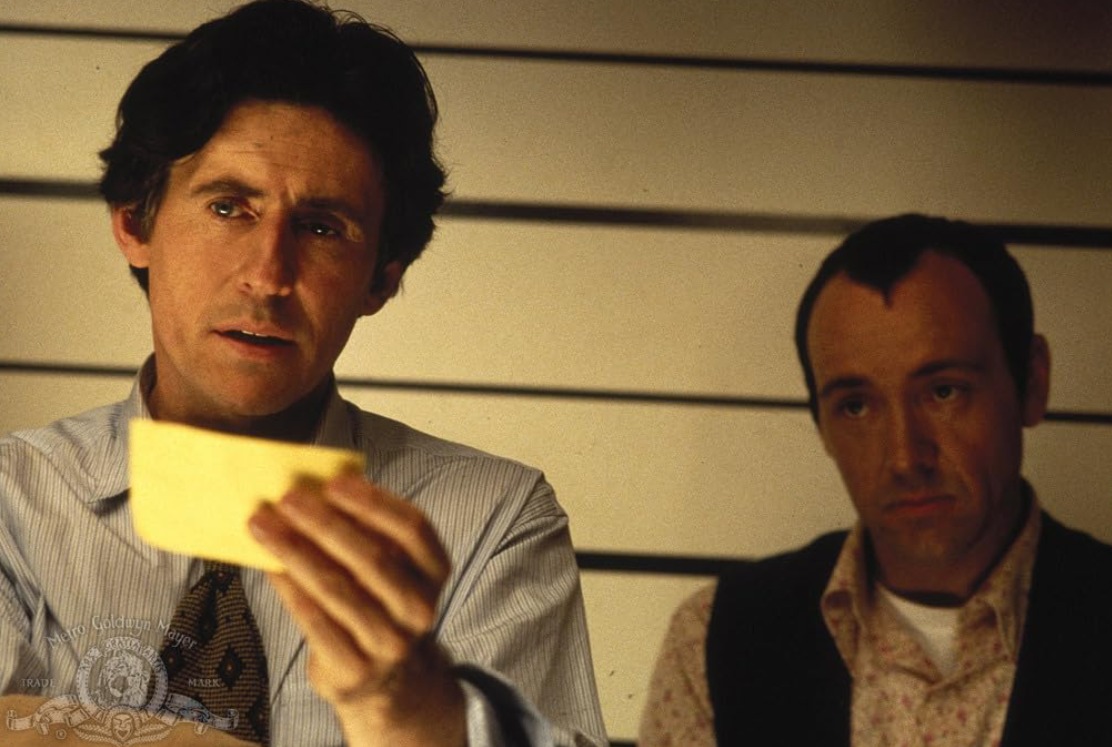
The Usual Suspects still has one of the neatest tricks in modern crime cinema: it makes the audience work with the same scraps of information as a man who may be lying about everything. Its real trick is turning ordinary details into clues after you know what to look for.
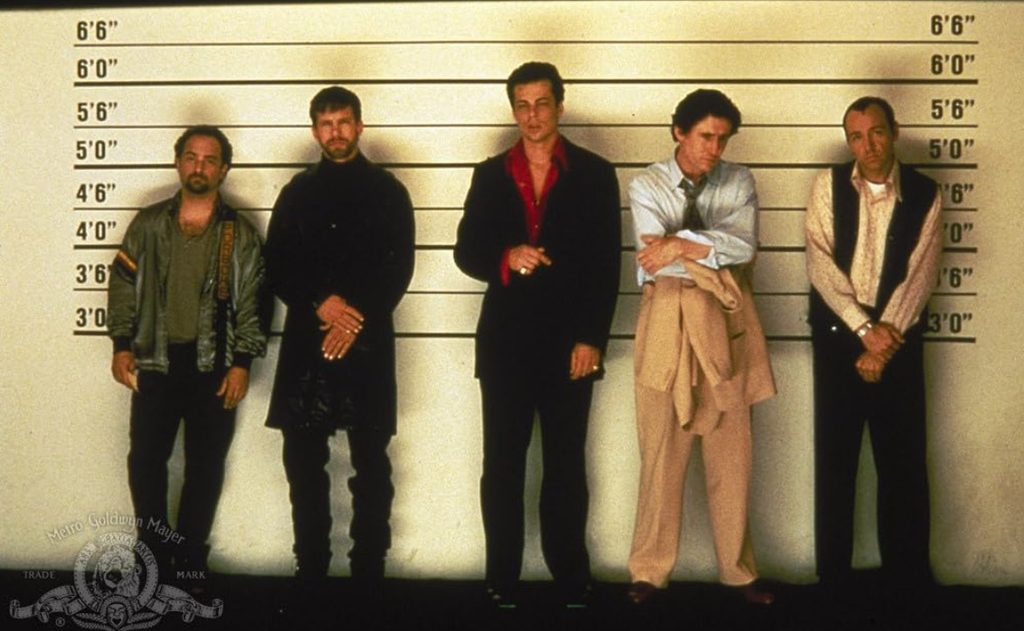
Bryan Singer’s 1995 thriller follows a group of criminals pulled into a dangerous job after a police lineup brings them together. Kevin Spacey plays Roger “Verbal” Kint, a small-time con man recounting events to an investigator. His story seems to connect the men, the heist and the mysterious criminal Keyser Söze, whose reputation is so frightening that even hardened criminals hesitate to say his name.
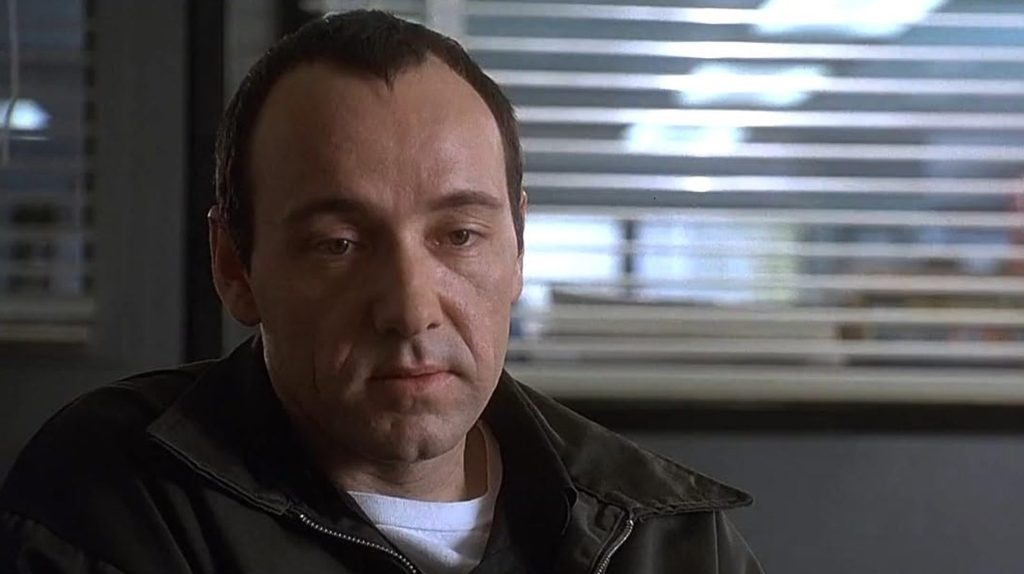
The twist works because the audience gets nearly all its information from Verbal. We treat his story as a record rather than a performance designed to keep him safe, and that assumption is the trap. The ending reveals a hidden identity, then forces viewers to reconsider which details they accepted because they sounded plausible.
That is why the film tends to reward an immediate rewatch. Once the final moments land, Verbal’s story starts looking less like a clean explanation and more like a collection of improvised details. The names, objects and descriptions around the police station become clues, and the investigator’s growing certainty suddenly feels almost comic. He has spent the conversation trying to make sense of a puzzle whose pieces may have been invented in front of him.
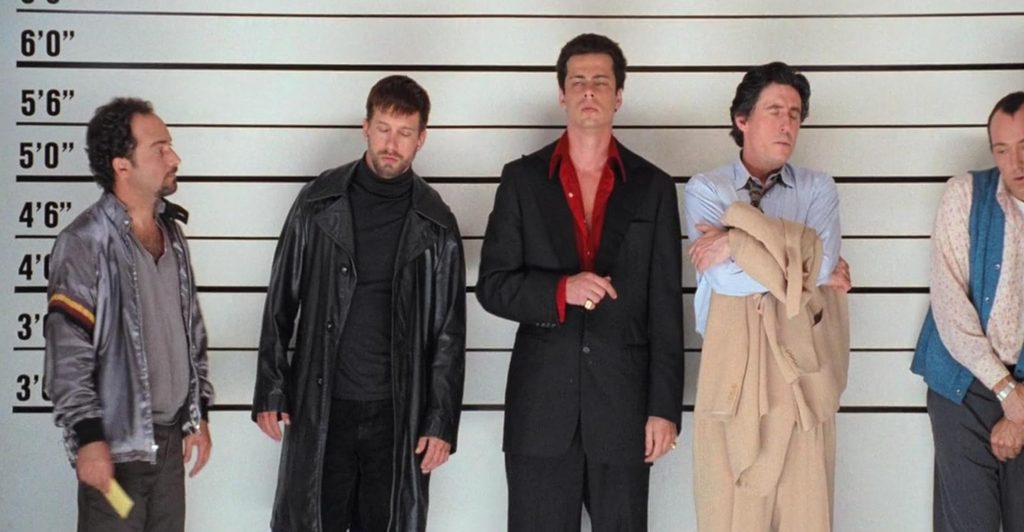
The Usual Suspects also shows how much timing matters. The film does not reveal everything in a single speech and then stop. It gives the audience a few seconds to connect the image of Verbal leaving the building with the scattered details that were visible all along. The real pleasure comes from the uncomfortable realization that you were not missing information. You were interpreting it too generously.
Not every twist thriller needs to imitate that structure. Hereditary builds shock through dread, while The Sixth Sense changes the meaning of scenes viewers have already watched. Fight Club makes a character relationship its central puzzle. These films create different surprises, but all rely on viewers carrying assumptions from one scene to the next.
The danger for filmmakers is confusing a twist with a magic trick. A reveal can shock an audience once, but it rarely lasts if the story falls apart when viewers think about it afterward. The Usual Suspects remains effective because the ending changes the meaning of what came before, even if some viewers spot the clues earlier than others.
Its legacy also shows how a twist can divide viewers over whether a film played fair. Some viewers love discovering the answer early, while others want the rug pulled out from under them. Neither response is wrong. The best mystery gives both types something to enjoy, because guessing correctly and being fooled can each feel satisfying when the film has played by its own rules.
The Usual Suspects is still a useful test for any thriller promising a shocking ending. If the last scene makes you want to start again immediately, the movie has done more than surprise you. It has changed the story you thought you watched.