
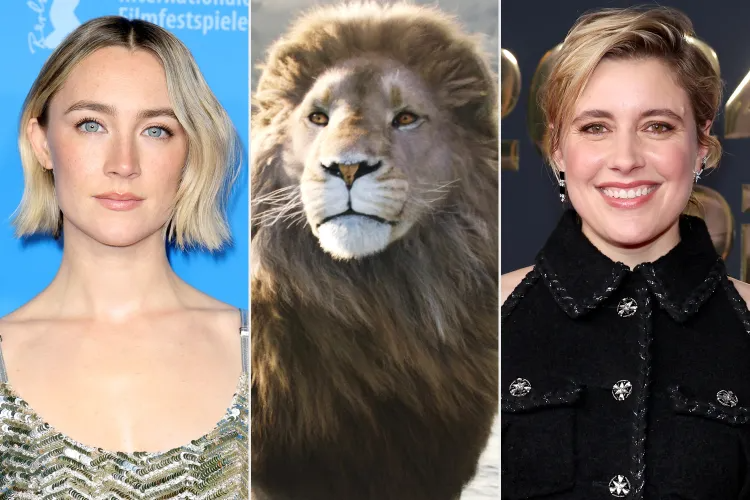
Greta Gerwig’s Narnia adaptation is moving the story of The Magician’s Nephew into 1950s Britain, and her reason reaches beyond giving the film a different look. The director wants to explore how children growing up amid post-war damage and hardship later helped create the cultural revolution associated with artists such as David Bowie. In her interpretation, the journey to Narnia becomes part of a larger story about imagination turning pain into something new.
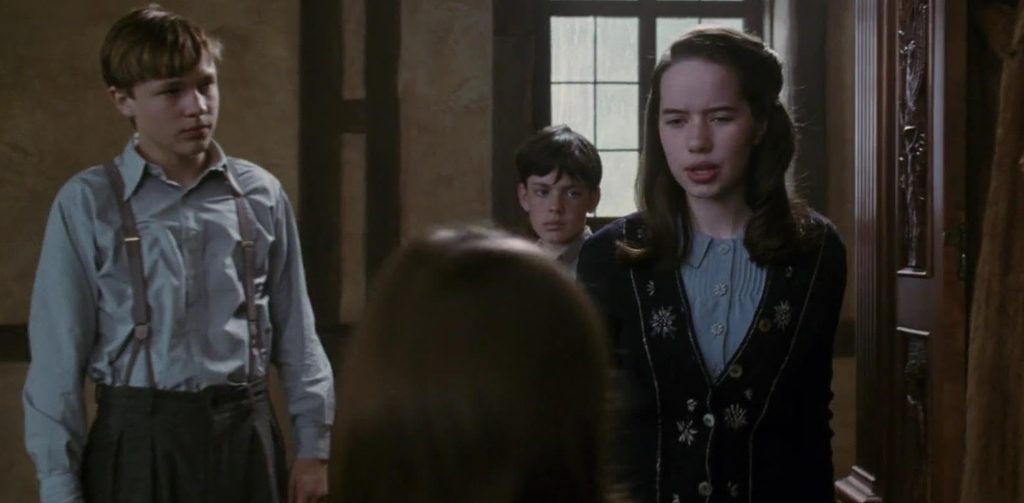
C. S. Lewis’s novel is set around 1900, where Digory Kirke and Polly Plummer discover a passage between worlds and witness the birth of Narnia. Gerwig is relocating the children’s real-world lives to the 1950s, closer to the period when the book was published. They live amid wartime damage as Britain tries to rebuild.
For Gerwig, that setting links the children’s escape to the generation that would later reshape music and popular culture. Bowie, born David Jones, became one of the most recognisable artists of the 1970s, but before that transformation he was a child growing up in post-war Britain. Gerwig sees a connection between that process of becoming and the imaginative experience of entering a world that operates by different rules.
The idea also fits the story’s central event. In The Magician’s Nephew, Aslan creates Narnia through song, bringing a new world into existence through music rather than machinery or conquest. Gerwig has described her approach in terms of a rock opera, though the film is not being presented as a conventional musical in which characters suddenly break into songs. The influence should shape the movie’s scale and emotional texture.
That sounds promising, but it also explains why some readers are uneasy about the period shift. The original setting has a clear place in Narnia’s chronology, and it connects to the wartime evacuation that introduces the Pevensie children in The Lion, the Witch and the Wardrobe. Moving Digory and Polly to the 1950s may create a stronger link to post-war culture, but it could complicate how the wider series lines up if the films aim to tell all seven books in one continuous timeline.
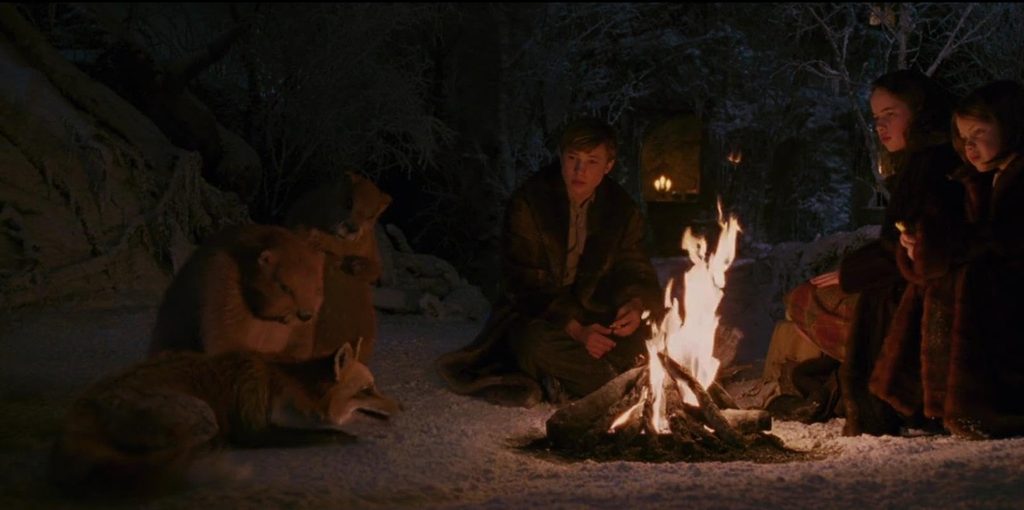
Gerwig’s approach is also a reminder that adaptations rarely reproduce a book without interpretation. Some filmmakers prioritize plot and setting, while others use the source as a starting point for a broader idea. The question is whether the new idea deepens the material or distracts from it. A post-war landscape could give the children’s desire for escape real emotional force, especially if the film contrasts bomb-damaged London with the wonder of a world being born.
The cast includes David McKenna as Digory, Beatrice Campbell as Polly, Emma Mackey as Jadis and Daniel Craig as Uncle Andrew, with Meryl Streep voicing Aslan. Netflix plans to release the film in theaters on February 12, 2027, before streaming it on April 2.
Gerwig’s Bowie connection gives the film a distinctive point of view, but the final test will be whether that idea feels natural within Narnia. If the fantasy world becomes a way for children to imagine beyond the limits of their circumstances, the new setting may add meaning rather than simply changing the calendar.
Also Read: Narnia Trailer Arrives Today With Fledge and Aslan