
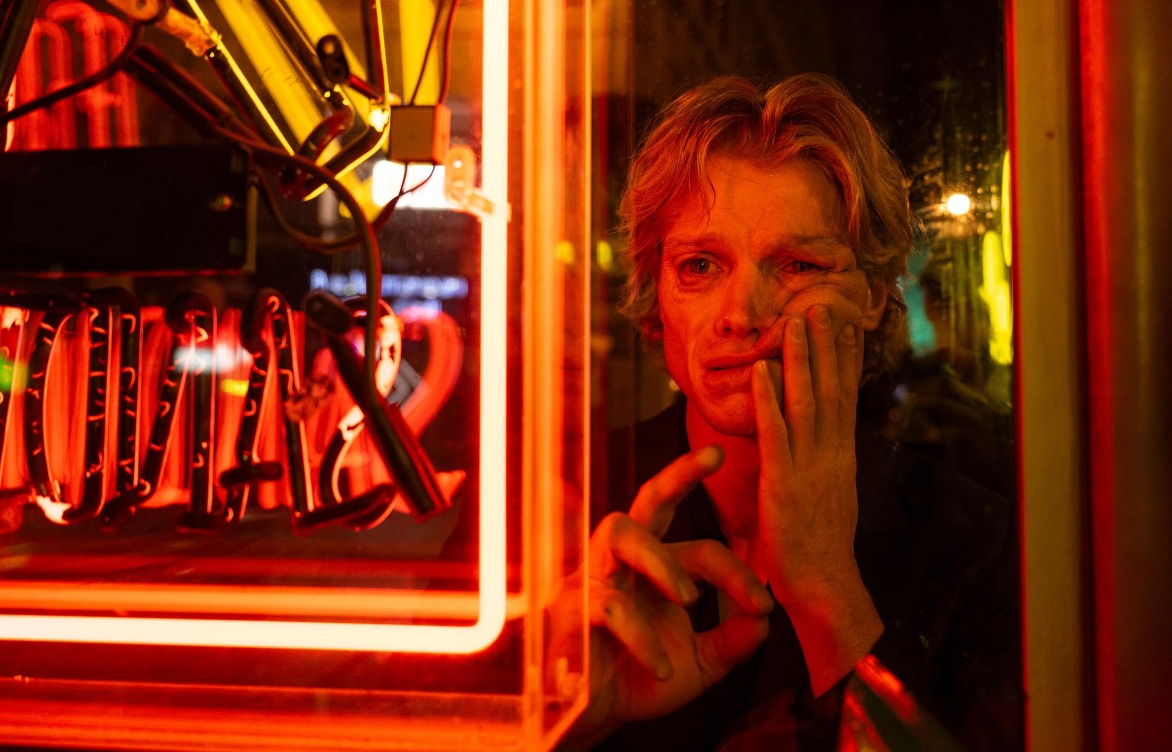
Clayface has been getting a steady stream of eye-catching artwork, and the latest image makes the DC villain look less like a standard comic-book bruiser and more like a nightmare taking shape in the dark. The artwork centers on a grotesque, shifting figure whose distorted face and exaggerated shadow suggest that the monster is not finished becoming something worse.
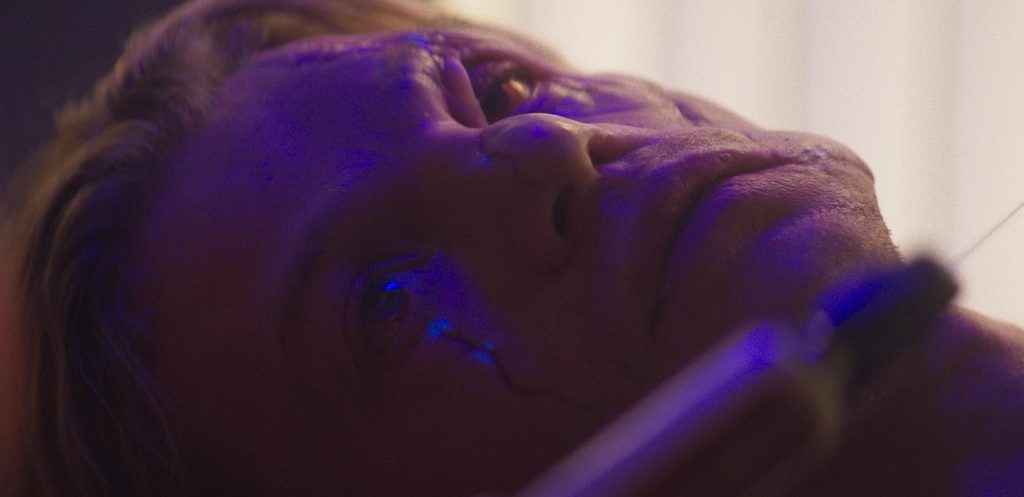
That is a fitting image for a character whose powers have always made identity part of the horror. Clayface can alter his appearance, copy other people and turn his body into a weapon. He is often a hulking mass of mud, but the unsettling versions make him look almost human until the disguise fails. Playing with the gap between face and shadow captures that tension better than a routine villain portrait.
The upcoming film stars Tom Rhys Harries as Matt Hagen, an actor whose life collapses after he is horribly disfigured. He turns to an experimental treatment that restores his appearance but also begins to damage his grip on reality. Naomi Ackie plays the scientist involved in his treatment, while Max Minghella, Eddie Marsan and other cast members fill out a story that leans toward body horror rather than a conventional superhero showdown.
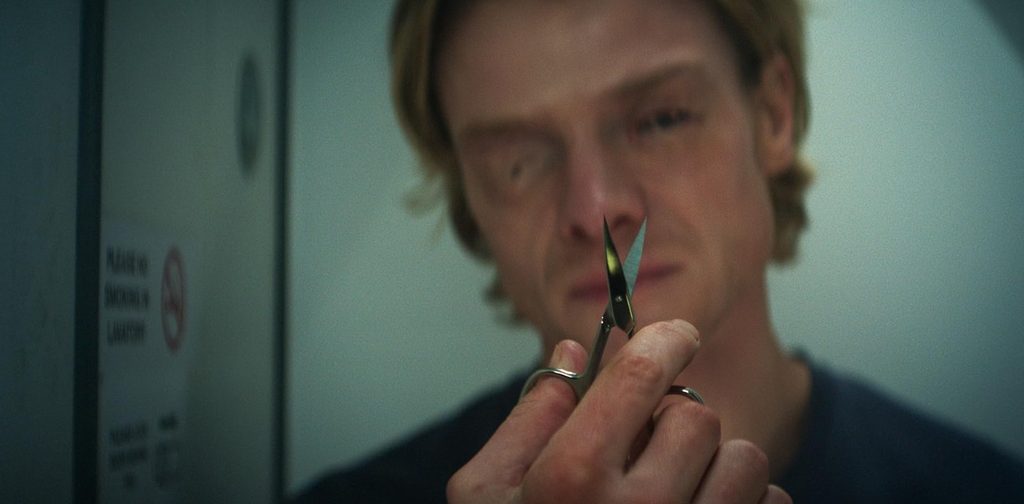
Director James Watkins is steering the film, with a script from Mike Flanagan and Hossein Amini. The creative lineup suggests a more intimate kind of DC story, focused on transformation, obsession and the frightening cost of trying to recover the life that was taken away. Gotham is part of the setting, but the central danger comes from a man whose own body stops feeling like something he can control.
The artwork has also created a small marketing puzzle. Clayface’s official movie account has been highlighting artist-created designs, which means each new image can feel like a fresh poster drop even when it is not necessarily the main theatrical one-sheet. The steady stream of art points to a larger problem with movie promotion: studios can be criticized for revealing too little, then criticized again when they share too much.
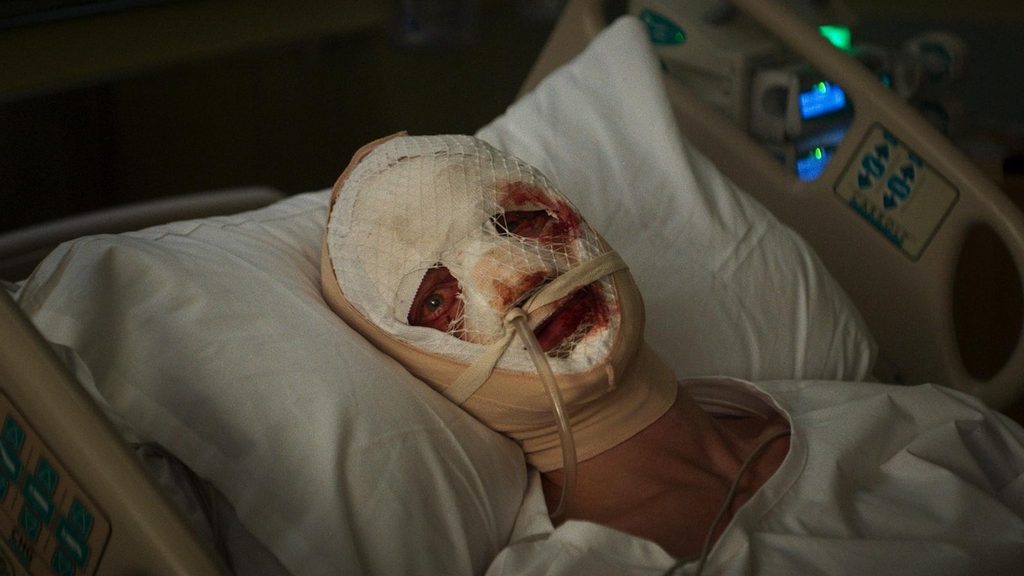
In Clayface’s case, the varied artwork has helped give the film a recognizable look before release, with each design leaning into the character’s malleable form rather than hiding him behind a row of actors. That approach makes sense for a villain who can change his face, shape and body whenever the situation demands it.
The image’s most effective detail is the monstrous silhouette. It turns the shadow into something almost independent, hinting at a creature that may no longer obey the person it belongs to. That idea fits Matt Hagen’s story, in which a treatment meant to restore his face begins pushing him toward a more destructive state. The poster does not need to explain the plot. It just needs to make the transformation feel disturbing.
Clayface is scheduled to open in theaters on October 23. The campaign has already made one thing clear: this version of the character is being sold as a horror figure first, not a joke villain waiting for Batman to arrive and punch him into a wall of mud. If the film delivers on the unsettling promise of its artwork, Clayface could become one of DC’s stranger big-screen experiments.
Also Read: The Beekeeper 2 Brings Statham Back for Bee-Pun Revenge