
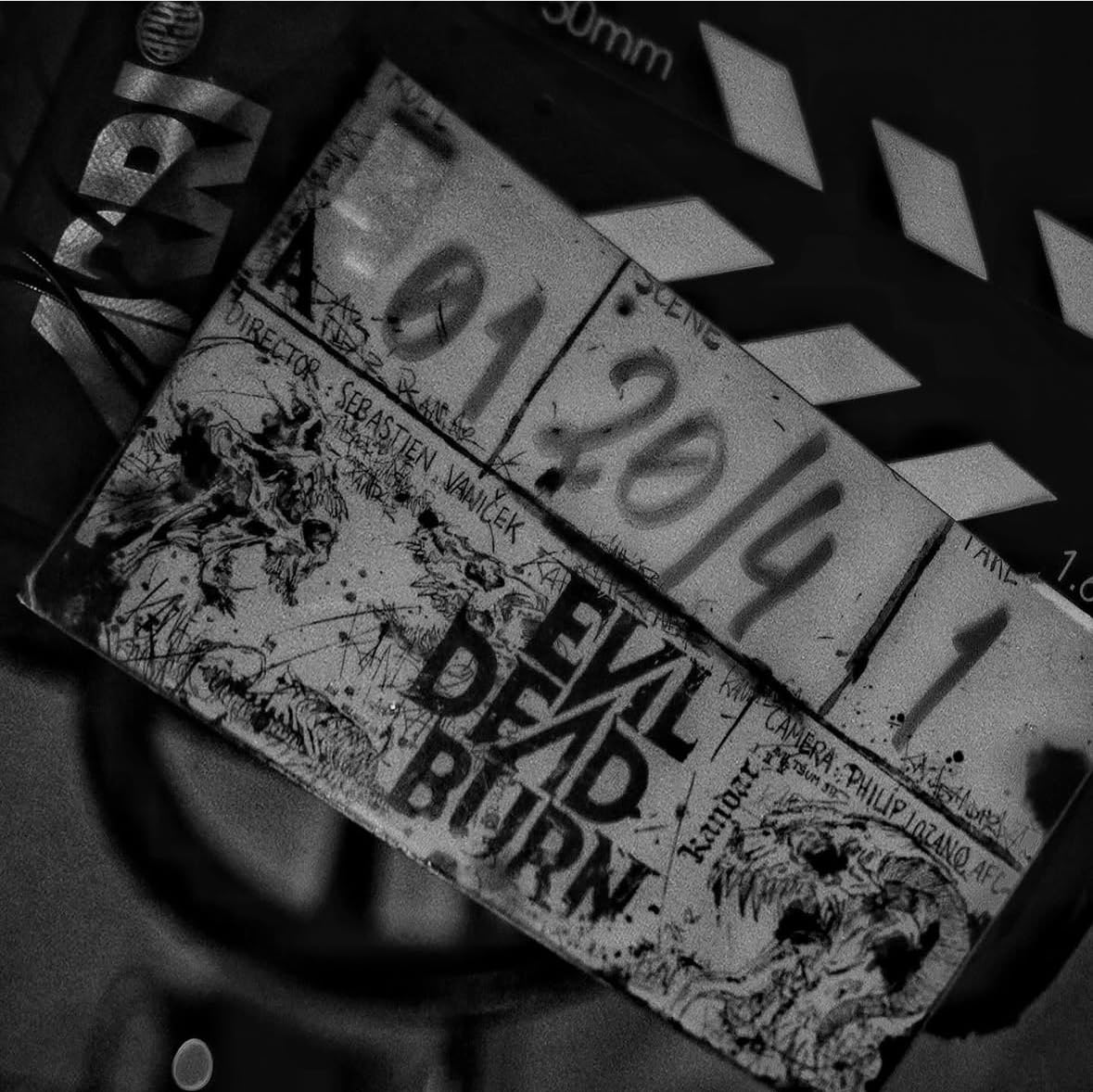
Evil Dead Burn connects the modern trilogy of 2013, Rise, and Burn into one cohesive franchise timeline. Here’s how.
Evil Dead Burn connection to the franchise’s modern era is the missing link fans have been waiting for. While the 2013 reboot and 2023’s Evil Dead Rise were both standalone entries, Burn appears to be the film that finally ties them together into a coherent contemporary timeline. Sébastien Vaniček didn’t just make another sequel—he made the connective tissue.
The 2013 Evil Dead, directed by Fede Álvarez, reimagined the original cabin scenario with a drug-intervention premise and some of the most brutal gore in mainstream horror history. Evil Dead Rise, Lee Cronin’s 2023 entry, moved the action to a Los Angeles apartment building and introduced a new family of victims. Both films were hits, both were praised for reinventing the formula, but neither explicitly acknowledged the other. Burn changes that.
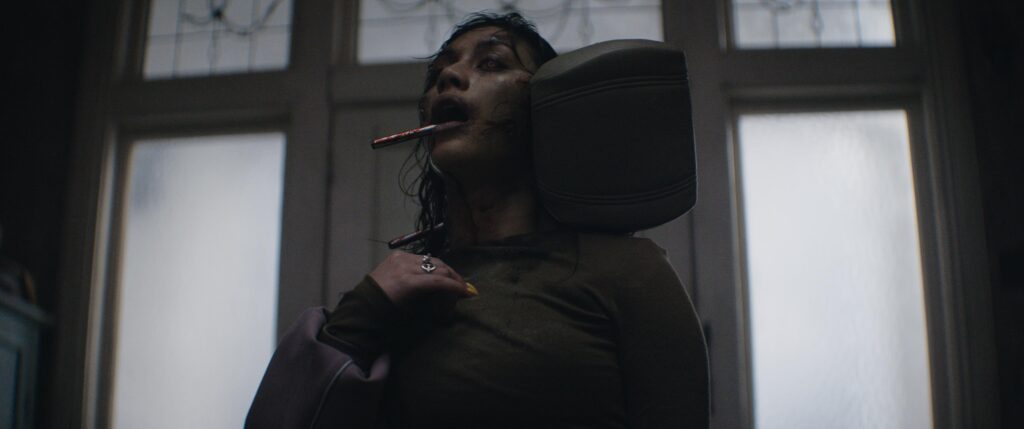
Evil Dead Burn connection details are still emerging, but the evidence is compelling. The film’s setting—a single-family home rather than a cabin or apartment—suggests a middle ground between the rural isolation of 2013 and the urban claustrophobia of Rise. The premise involves a widow joining her in-laws after her husband’s death, which creates the kind of family dynamics that both previous modern entries explored. And the tagline “the vows she took in life live on even in death” implies a through-line about love, loss, and possession that could unite all three films thematically.
How Evil Dead Burn Connection Expands the Mythology
Evil Dead Burn connection to the larger franchise goes deeper than setting and theme. The film is the first to be explicitly positioned as a sequel to both the 2013 film and Rise, rather than just another standalone entry. This matters because the Evil Dead franchise has always operated in parallel timelines—the original trilogy with Bruce Campbell’s Ash, the 2013 reboot with Jane Levy’s Mia, and Rise with Alyssa Sutherland’s Ellie. Burn appears to be saying these timelines aren’t as separate as we thought.
Sam Raimi’s involvement as producer suggests this was intentional. Raimi has always been protective of the franchise’s mythology, and his approval of Vaniček’s script indicates that Burn serves a larger purpose. Rob Tapert, who has produced every Evil Dead film since 1981, and Bruce Campbell as executive producer add further credibility to the idea that this isn’t just another cash grab.
The cast also hints at connection. Souheila Yacoub’s Alice is described as a woman who “comes to discover that the vows she took in life live on even in death.” This mirrors the family-focused possession narratives of both 2013 and Rise, where loved ones become the enemy. Hunter Doohan, Tandi Wright, and Luciane Buchanan play family members who gradually turn, continuing the tradition of intimate betrayal that defines the modern trilogy.
Evil Dead Burn connection could also set up Evil Dead Wrath, the seventh installment already scheduled for April 7, 2028. Francis Galluppi is directing that entry, and if Burn successfully unites the modern timeline, Wrath could be the culmination of a three-film arc. The franchise is building something bigger than individual scares, and Burn is the foundation.
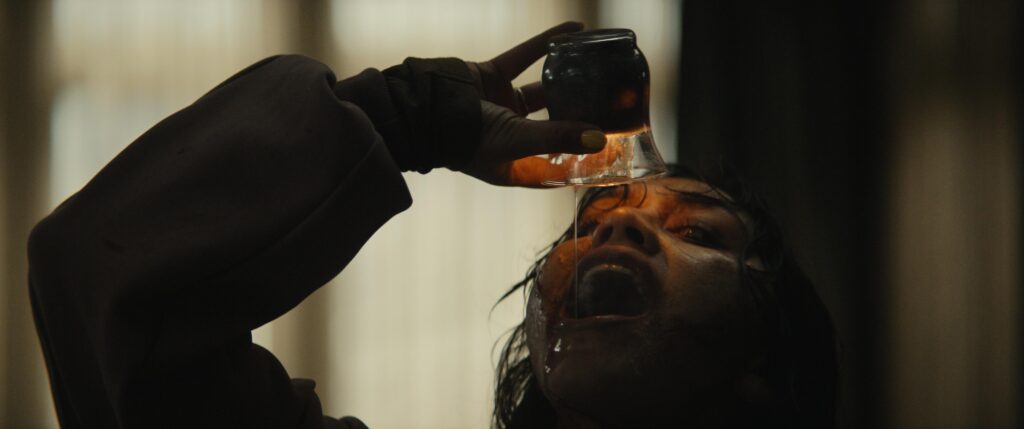
July 10 is when we find out if the pieces fit together. Based on the trailers and the talent involved, I’m betting they do—and that the result is going to be one hell of a family reunion.
See Evil Dead Burn in theaters July 10 and witness the franchise connection horror fans have been craving.
Also Read: Evil Dead Burn Trailer Will Ruin Dishwashers