
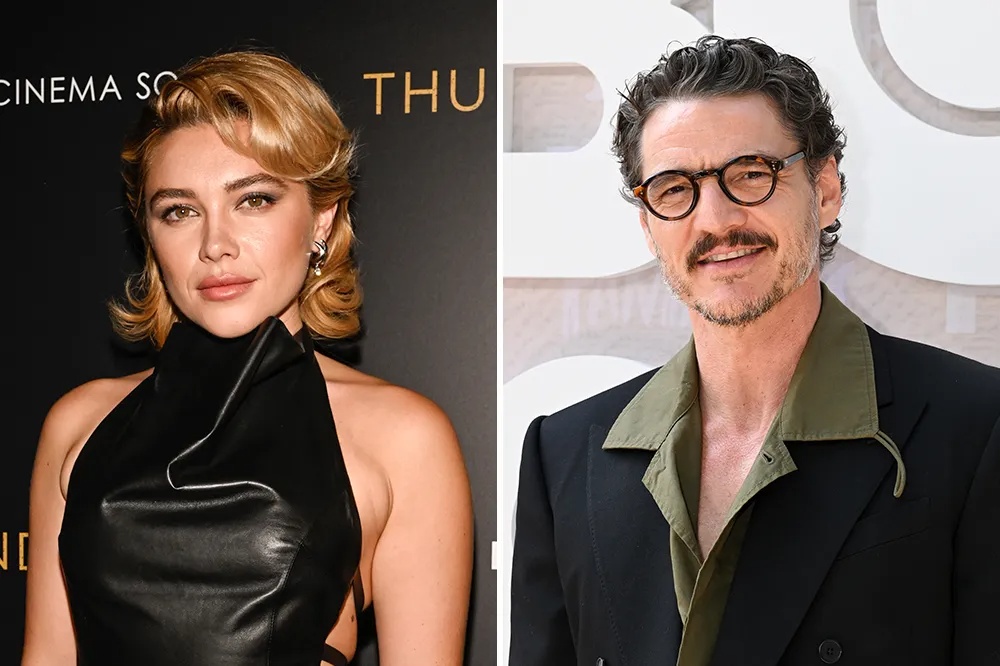
Hollywood has a long tradition of actors making political statements at award shows, usually involving tearful speeches about equality or pointed jokes about the current administration. But Florence Pugh and Pedro Pascal just skipped the middleman entirely and joined an open letter trying to block one of the biggest corporate mergers in entertainment history. Along with over 2,000 industry professionals, they’ve thrown their weight against the Paramount-Warner Bros. consolidation, and the message is clear: this town isn’t big enough for two studios to become one mega-corporation.
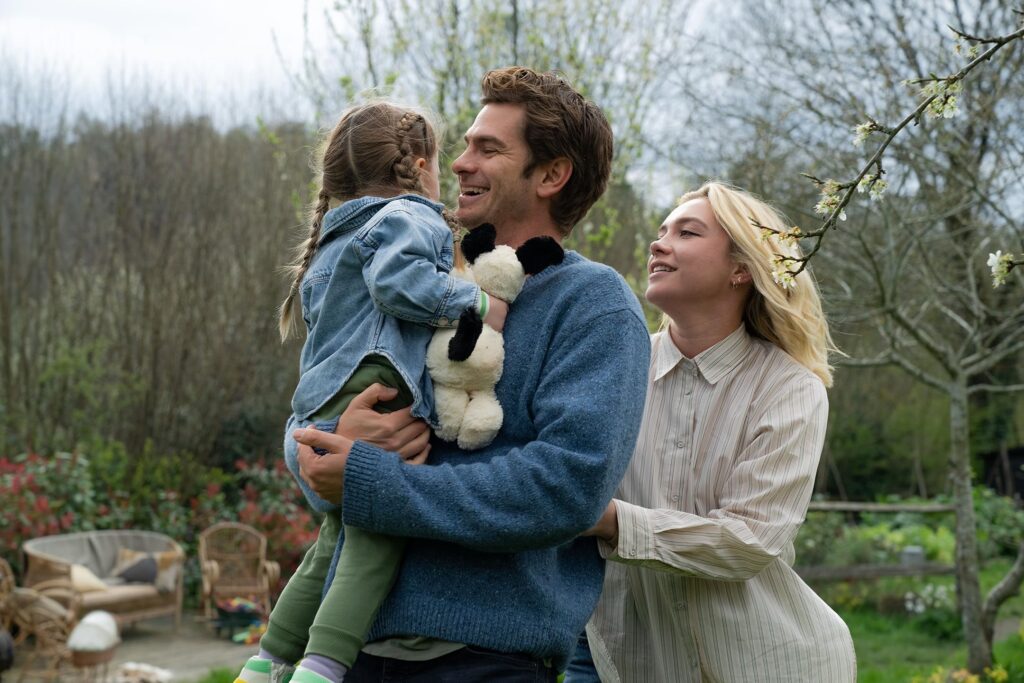
The merger, which would combine two of Hollywood’s oldest and most storied studios under a single corporate umbrella, has been met with increasing resistance from the creative community. Pugh, who has become one of the most sought-after actors of her generation thanks to roles in Oppenheimer, Dune: Part Two, and The Wonder, lent her name to the growing list of signatories. Pascal, fresh off the success of The Last of Us and The Mandalorian, joined her. When actors of this caliber speak, executives listen—or at least they pretend to while counting their stock options.
The open letter, which has now surpassed 2,000 signatures from writers, directors, producers, and performers, argues that the merger would reduce competition, limit opportunities for diverse voices, and concentrate too much power in the hands of a single entity. It’s the kind of principled stand that sounds noble until you remember that Hollywood is already dominated by five companies that control roughly 90% of what gets made. Adding another consolidation to the mix feels like bringing a bulldozer to a funeral.
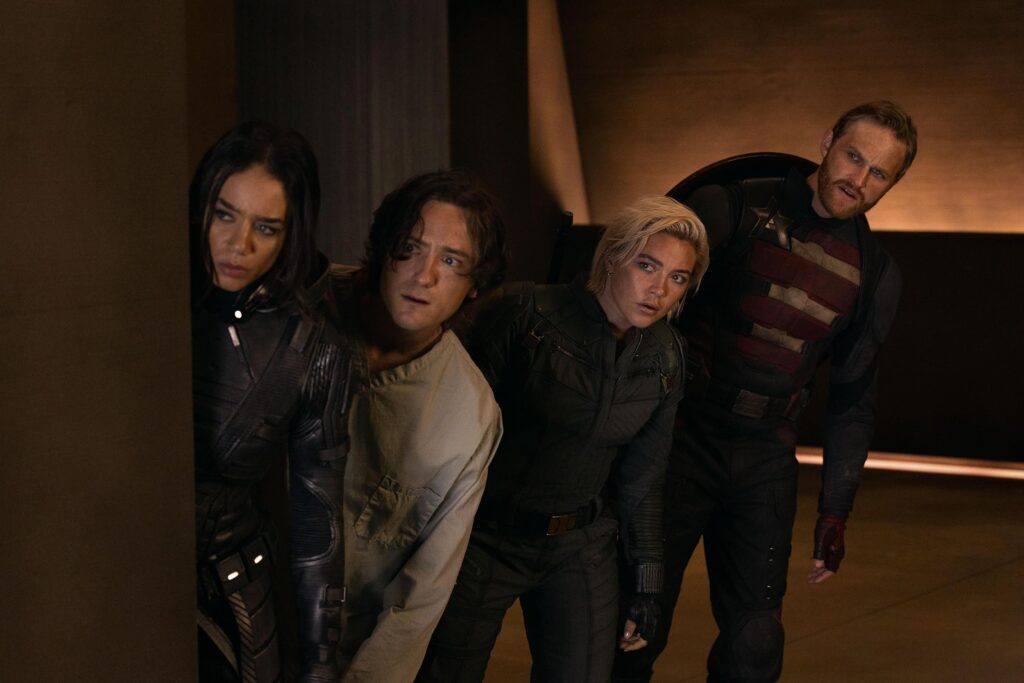
What makes Pugh and Pascal’s involvement particularly notable is their current place in the industry food chain. These aren’t desperate actors trying to get noticed; these are established stars with the leverage to be selective about their projects. Pugh has worked with Christopher Nolan, Denis Villeneuve, and Greta Gerwig. Pascal has headlined two of the biggest television series of the past decade. They don’t need to rock the boat to get work.
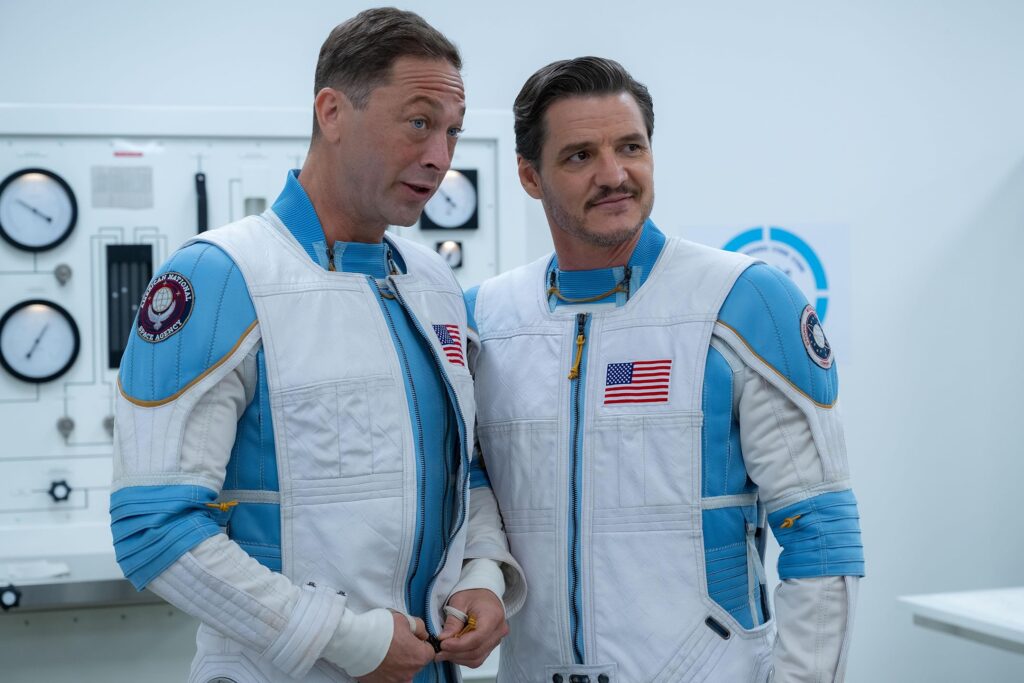
But that’s exactly why their participation matters. When successful artists speak out against corporate consolidation, they’re using their platform to protect the next generation of creatives who won’t have the same negotiating power. A merged Paramount-Warner would control an enormous library of intellectual property, multiple streaming platforms, and a significant portion of theatrical distribution. For emerging writers and directors, fewer studios means fewer buyers for their projects, which means less diverse storytelling and more algorithm-driven content designed by committee.
The merger has already faced regulatory scrutiny, with the Department of Justice and various state attorneys general examining whether the deal violates antitrust law. The open letter adds a cultural dimension to the legal arguments, framing the merger not just as a business transaction but as an existential threat to the creative ecosystem that has made Hollywood the global center of entertainment.
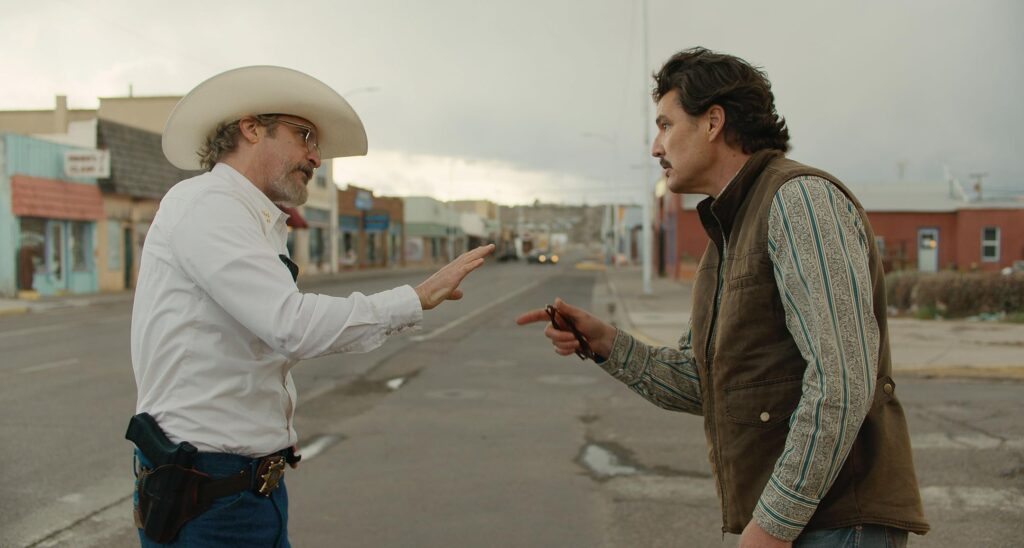
Pugh and Pascal are no strangers to speaking their minds. Pugh has been vocal about body shaming and the treatment of women in the industry. Pascal has used his social media platforms to advocate for human rights causes and support emerging artists. Their involvement in this campaign suggests a broader political awakening among A-list talent, who increasingly recognize that their individual success is tied to the health of the industry as a whole.
Whether the open letter will actually stop the merger remains doubtful. Corporate consolidation has been the trend in entertainment for decades, and regulatory approval often feels like a formality rather than a genuine obstacle. But the letter sends a message to Wall Street: the creative class is paying attention, and they won’t go quietly into the monoculture.
Sometimes the most important performances happen off-screen.
Stay informed about the merger—follow industry news and support diverse, independent filmmaking to keep Hollywood’s creative ecosystem thriving.
Also Read: Ana de Armas Wants You to Know She’s More Than Just a Bond Girl