

Goodfellas Scorsese energy is the kind of filmmaking so confident, so propulsive, so utterly in control of its own chaos that watching it feels like being strapped to a rocket piloted by Ray Liotta coked out of his mind. Martin Scorsese took Nicholas Pileggi’s book Wiseguy, added Joe Pesci at maximum volume, and created the definitive gangster film—a movie so good it makes The Godfather look slow by comparison.
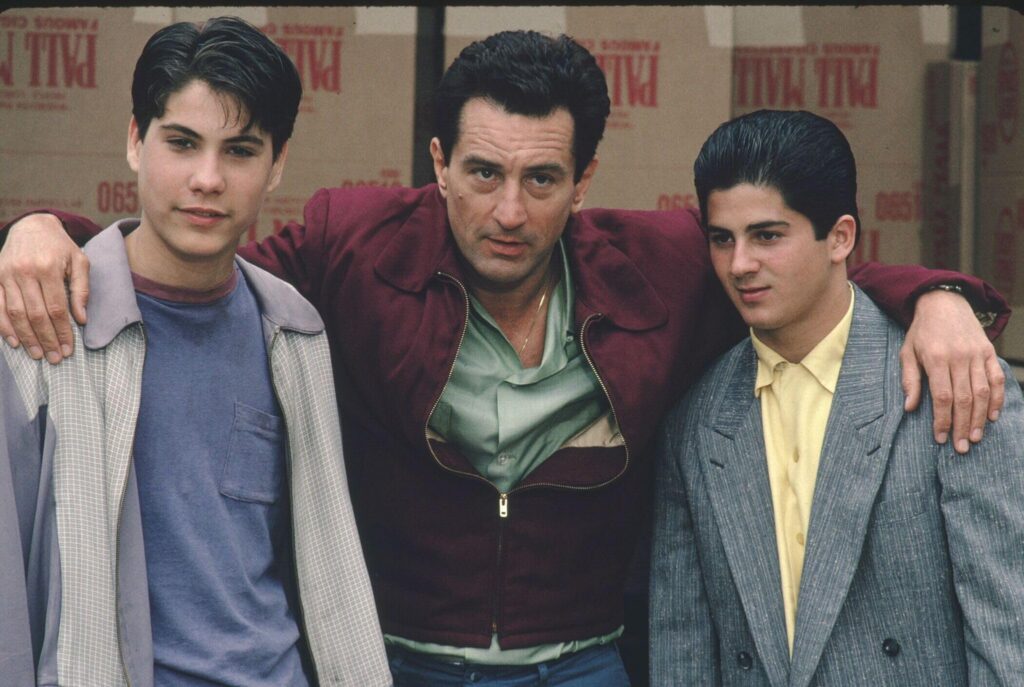
Released in 1990, Goodfellas follows Henry Hill from his teenage fascination with the mob through his rise as a wiseguy and his eventual fall as a drug-addled informant. The structure is deceptively simple: voiceover narration, freeze frames, pop music needle drops, and violence that arrives without warning and departs without sentiment. But the execution is so precise that every frame feels inevitable.
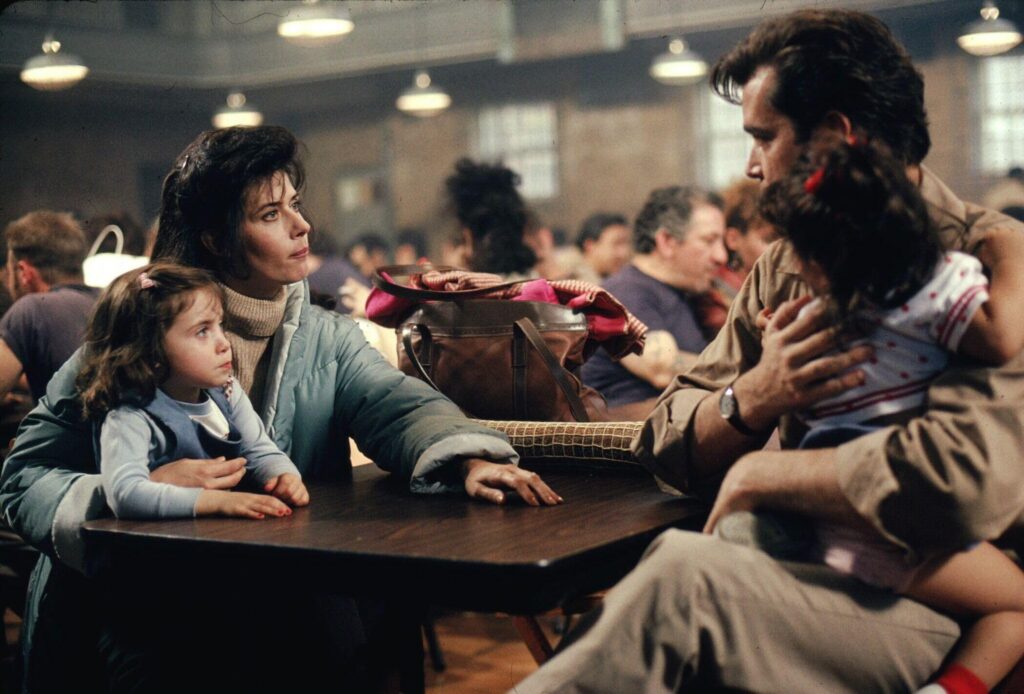
Goodfellas Scorsese magic starts with the casting. Ray Liotta has never been better, playing Henry with the desperate charm of a guy who knows he’s living on borrowed time. Robert De Niro as Jimmy Conway is all coiled menace and calculated greed, the kind of friend who will kill you if the math works out. And Joe Pesci as Tommy DeVito—tiny, terrifying, absolutely unhinged—delivers one of the most iconic performances in cinema history. The “funny how?” scene wasn’t even in the script; Pesci improvised it based on a real incident, and Scorsese kept it because he recognized perfection when he saw it.
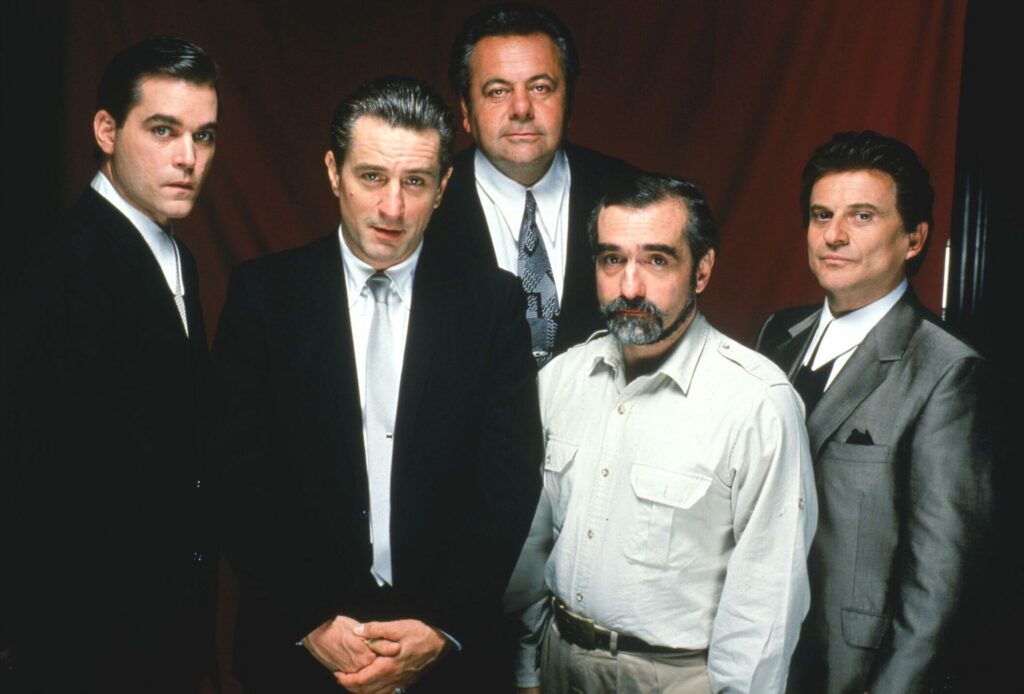
The technical craft is equally staggering. The Copacabana tracking shot, where Henry takes Karen through the kitchen and into the club, is a single Steadicam movement that tells you everything about his world without a word of dialogue. The editing by Thelma Schoonmaker—Scorsese’s secret weapon for fifty years—creates a rhythm that matches Henry’s accelerating heartbeat. By the time he’s coked out and paranoid, chasing helicopters he thinks are following him, the film itself feels like it’s sweating.
What makes Goodfellas Scorsese essential is how it refuses to romanticize the life it depicts. Henry gets the suits, the cars, the respect, but he also gets the violence, the betrayal, the constant fear. The famous “last day as a wiseguy” sequence—where Henry runs errands while coked to the gills, convinced every helicopter is FBI surveillance—is simultaneously hilarious and horrifying. You laugh because the situation is absurd. You wince because you know how it ends.
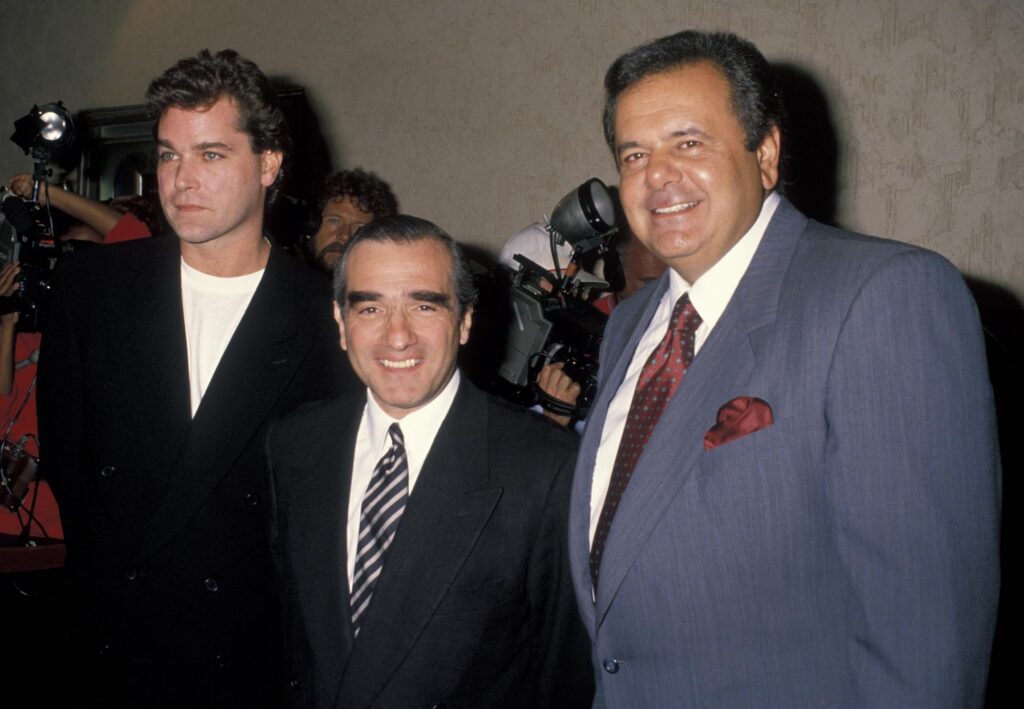
The film lost Best Picture to Dances with Wolves, which remains one of the Academy’s greatest crimes. But Goodfellas Scorsese legacy doesn’t need validation from statues. It invented a language for modern crime cinema that filmmakers are still trying to learn thirty years later.
Watch Goodfellas Scorsese masterpiece now and understand why “funny how?” is still the most threatening question in cinema.
Also Read: Tom Cruise Digger Role Hits