
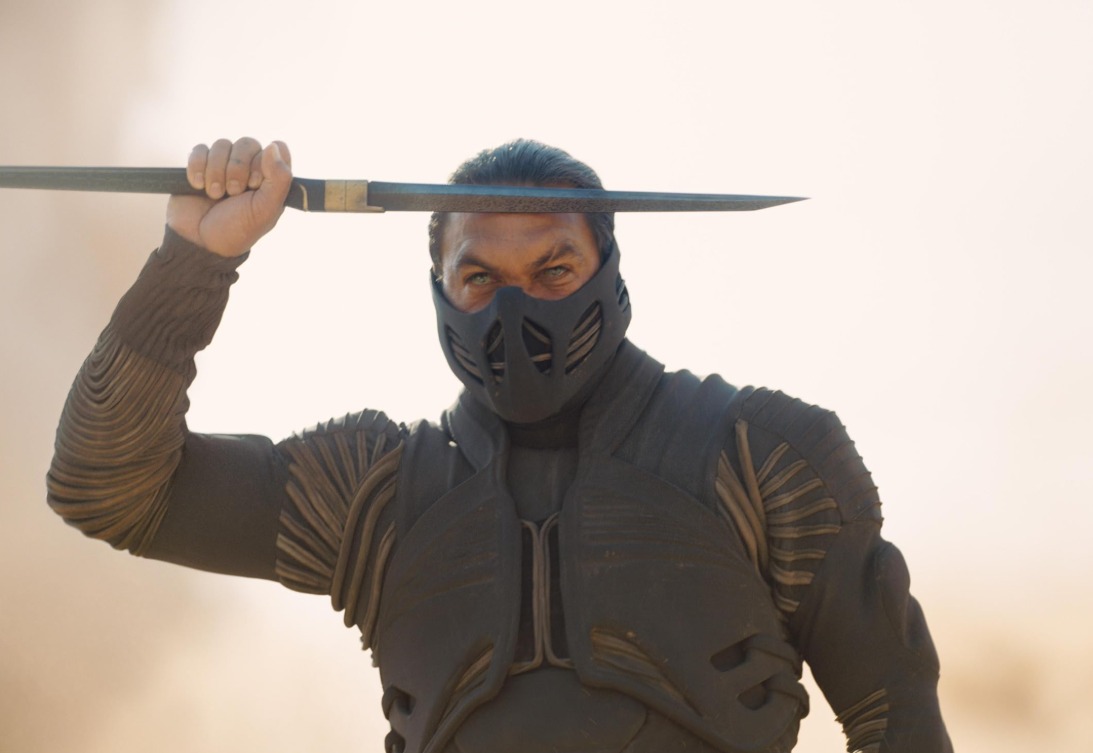
Jason Momoa’s return to Dune sounds impossible if you only remember the first film. His character, Duncan Idaho, dies while protecting Paul Atreides and Lady Jessica from the Sardaukar soldiers. So why is he back in Dune: Part Three?
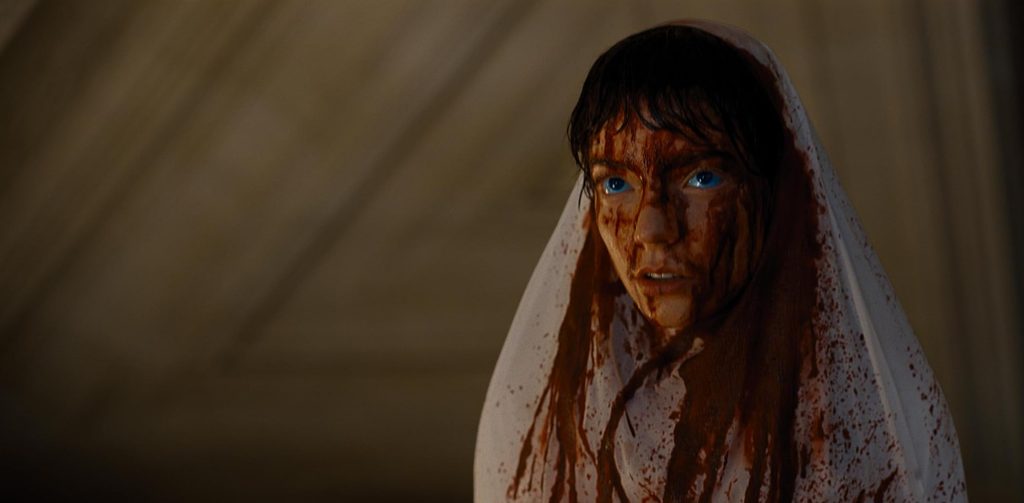
The answer comes from Frank Herbert’s books. Duncan is not simply brought back through a surprise escape or a last-minute rescue. In Dune Messiah, the second novel in the original series, he returns as a ghola named Hayt. A ghola is a person recreated from the cells of someone who has died. The process is carried out by the Bene Tleilax, a secretive group known for biological experiments.
That means the new version of Duncan is not just the old character walking into the room. Hayt has Duncan’s appearance, but his memories and identity are part of the story’s mystery. His return raises uncomfortable questions about loyalty, memory and whether a recreated person is the same person who died.

Jason Momoa confirmed his comeback in 2025 during a television interview. He joked that viewers who had not read the books should not blame him for revealing the surprise. The official Dune: Part Three cast list also includes Momoa, and the film’s promotional character posters have identified him as Hayt.
The character matters because Duncan was one of Paul’s trusted mentors in the first film. He was a skilled fighter, but he also gave Paul a sense of safety during the collapse of House Atreides. His sacrifice showed that he was willing to die for the family he served. Bringing him back in a different form gives the third film a chance to revisit that bond from a new angle.
Momoa is also a familiar face in large fantasy and science-fiction projects. He played Khal Drogo in Game of Thrones, Aquaman in the DC films and Duncan Idaho in Villeneuve’s Dune. Those roles often rely on his physical presence, but Duncan also gave him room to play a loyal, warm and surprisingly funny mentor.
Hayt could demand something different. The character is more restrained and unsettling than the Duncan audiences remember. His presence is tied to a political plot against Paul, so the return is not only a reunion for fans. It is part of a larger test of Paul’s judgement and his ability to see what is coming.
Dune: Part Three is set nearly two decades after Paul takes control of the Imperium. That time jump helps explain why some characters have changed and why old relationships now carry new weight. Denis Villeneuve is adapting Dune Messiah, not simply repeating the first film’s story.
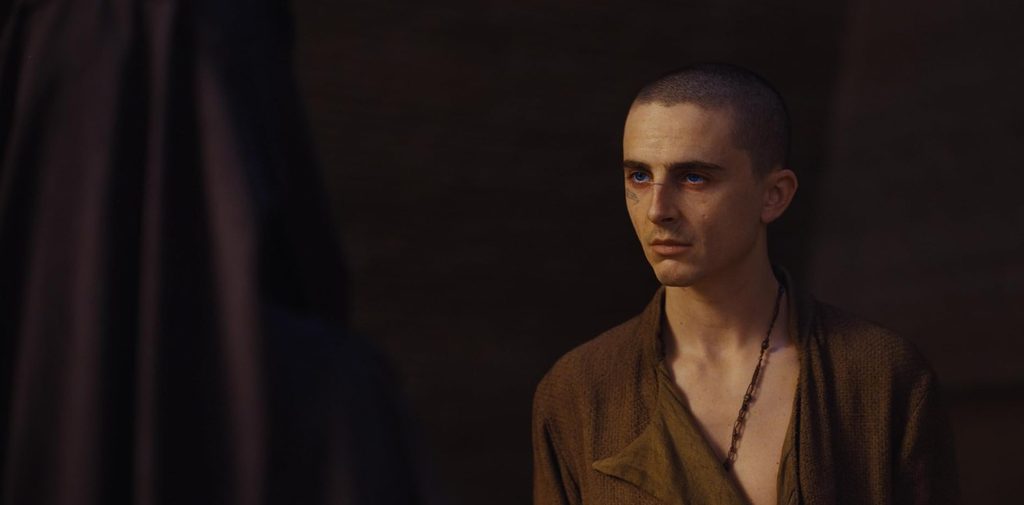
For viewers who have not read the novel, the idea of Jason Momoa returning after a clear death may seem like a franchise trick. The book gives it a stranger purpose. Hayt forces Paul to face the past while questioning whether memory alone can make someone who they once were.
So Duncan’s death still matters. His return does not erase the sacrifice. It turns that sacrifice into one of the most unusual questions in the next Dune film.
Also Read: Dune Messiah Could Test Dune 3 Critics