
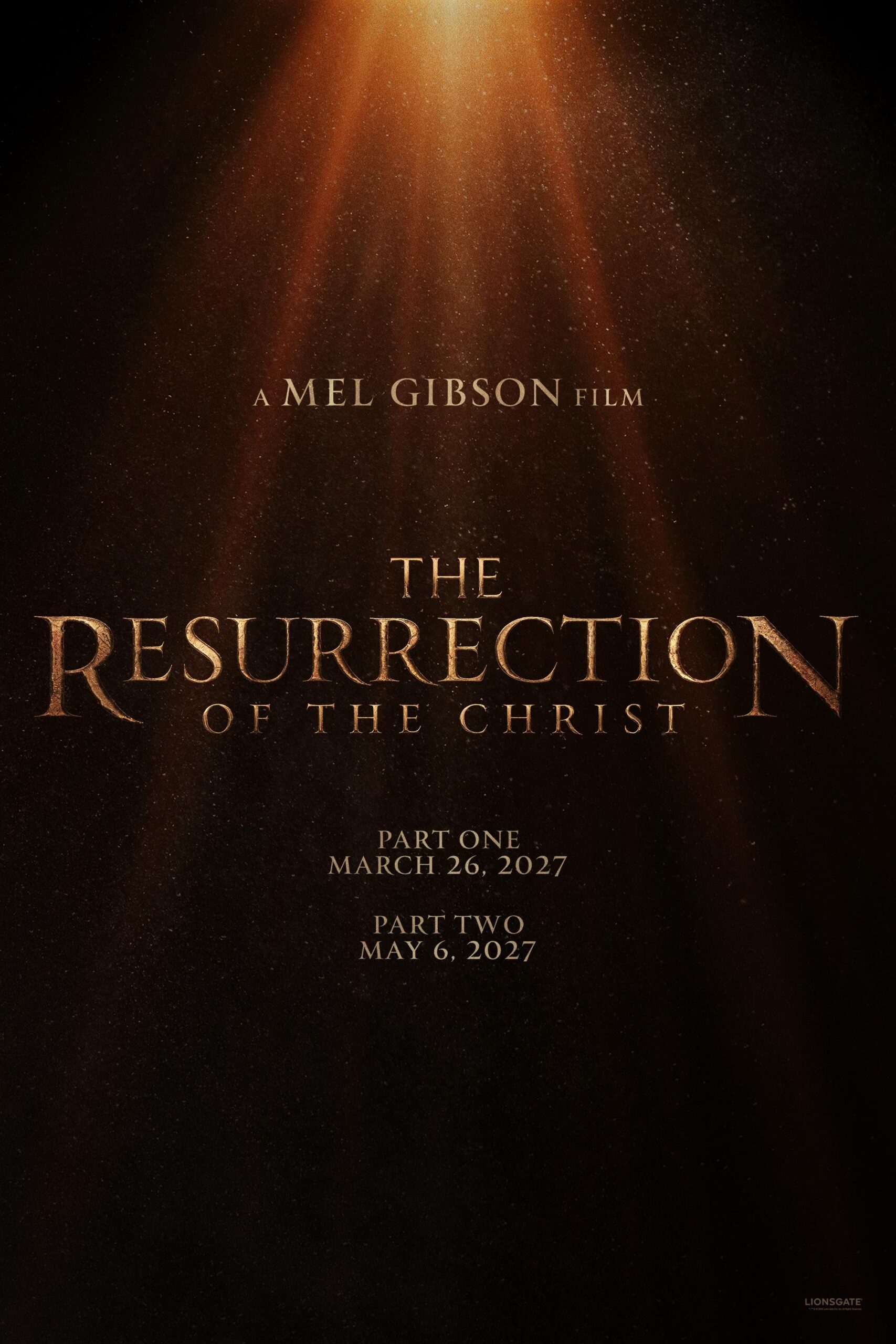
Mel Gibson biblical epic is happening again, and I need you to understand the sheer audacity of this project. After The Passion of the Christ became the highest-grossing R-rated film of all time and essentially invented the modern faith-based blockbuster, Gibson spent twenty years not making the sequel everyone expected. Now he’s back with The Resurrection of the Christ: Part One, because apparently the resurrection needs multiple installments like it’s a Marvel franchise.
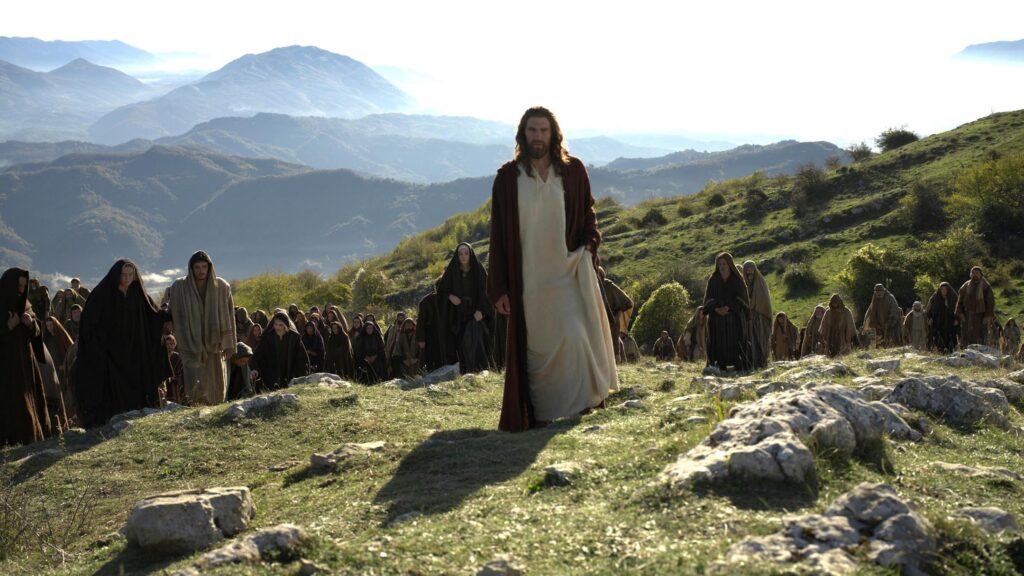
Mel Gibson biblical epic energy is unmistakable. This is a man who films violence with the enthusiasm of a medieval illuminator and the historical accuracy of someone who really cares about Aramaic pronunciation. The Passion was brutal, unflinching, and genuinely moving if you could stomach the gore. It made $612 million worldwide and proved that religious audiences would show up in droves if you took their faith seriously rather than sanitizing it.
The new film focuses on the resurrection and its aftermath, which means we’re getting Jesus after the crucifixion. Mel Gibson biblical epic logic suggests this won’t be a gentle Sunday school story. There will be Roman soldiers. There will be political intrigue. There will probably be more slow-motion suffering than is medically advisable. The cast includes Rupert Everett and Kasia Smutniak, because Gibson always mixes international talent with his specific vision.
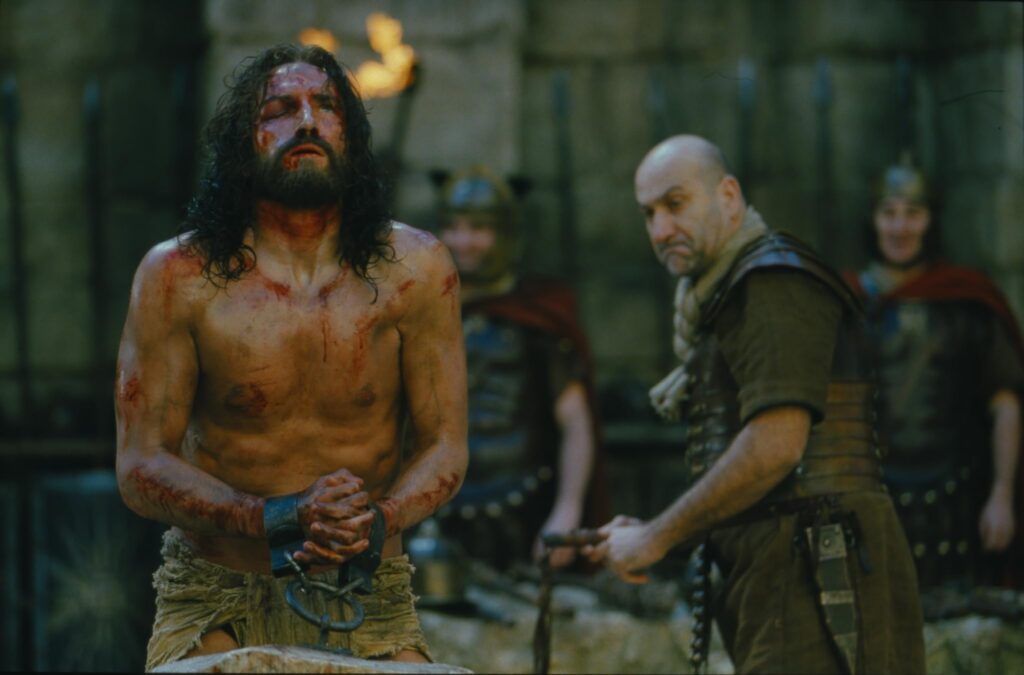
What’s fascinating is the timing. Mel Gibson biblical epic arrives in a landscape where faith-based films have become their own industry, but mostly as low-budget affairs aimed directly at church audiences. Gibson’s approach is different—he makes religious cinema with blockbuster scale and R-rated intensity. He doesn’t preach to the choir; he drags the choir through the Stations of the Cross and makes them feel every step.
The “Part One” subtitle implies this is just the beginning, which raises questions about where exactly the story goes. After the resurrection, Jesus appears to the disciples, ascends to heaven, and that’s sort of the end of the Gospel narrative. Mel Gibson biblical epic presumably has plans to expand beyond the biblical text, possibly into the early church and the persecution of Christians. If anyone can make martyrdom cinematic, it’s Gibson.
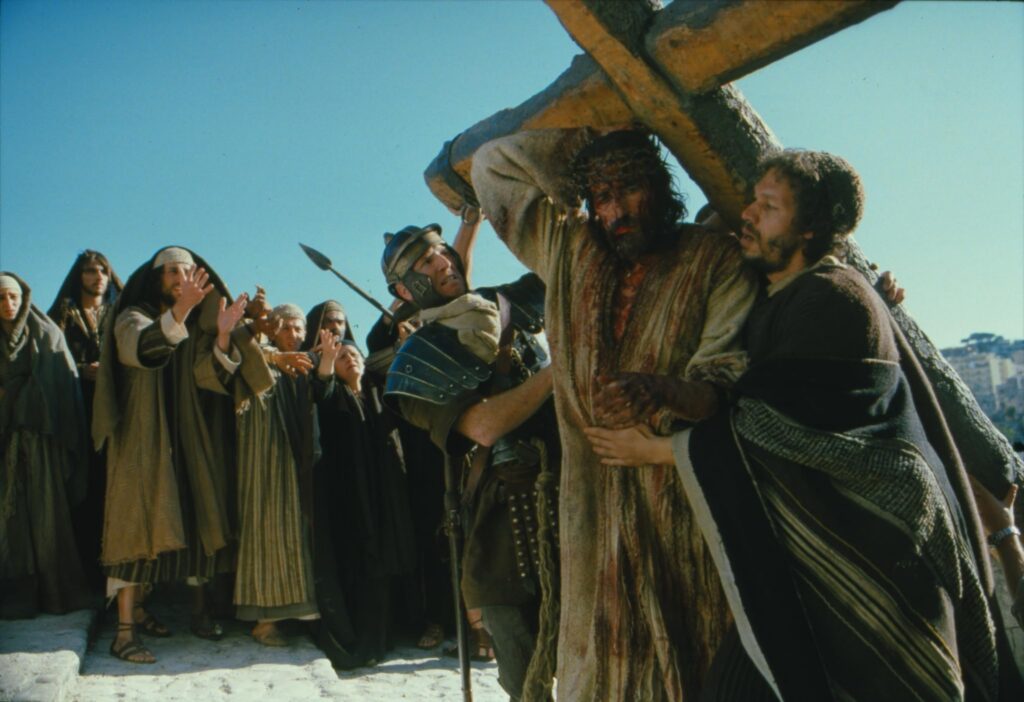
Controversy will inevitably follow. Gibson’s personal history makes him a polarizing figure, and his films tend to generate debate about anti-Semitism, historical accuracy, and the ethics of depicting religious violence so graphically. But Mel Gibson biblical epic doesn’t court controversy accidentally—it embraces it as part of the artistic mission. The Resurrection of the Christ won’t be ignored. It will be argued about, protested, and probably very successful.
Prepare for Mel Gibson biblical epic The Resurrection of the Christ: Part One, coming 2027.
Also Read: Mandalorian Movie Kinda Mid