
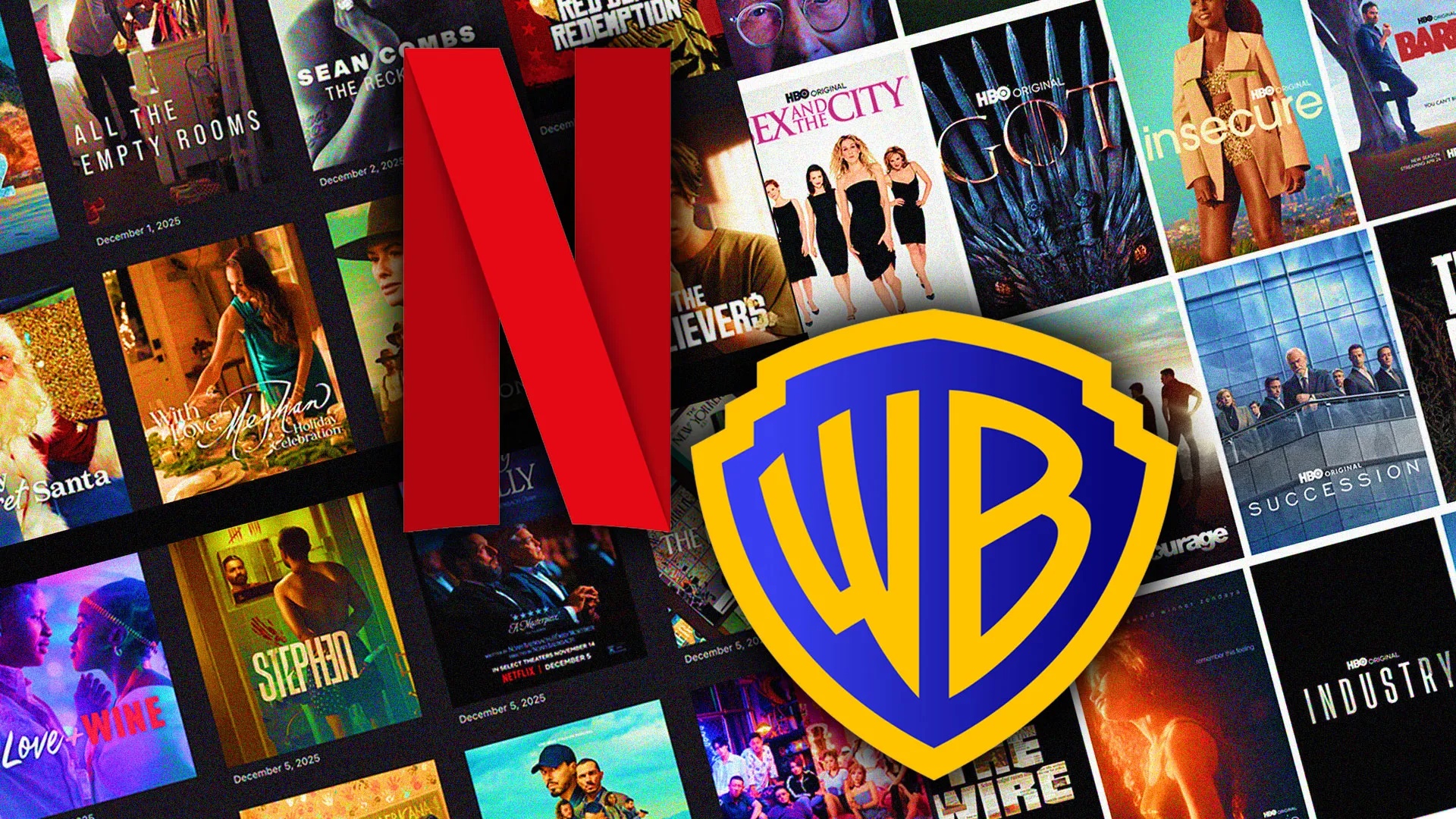
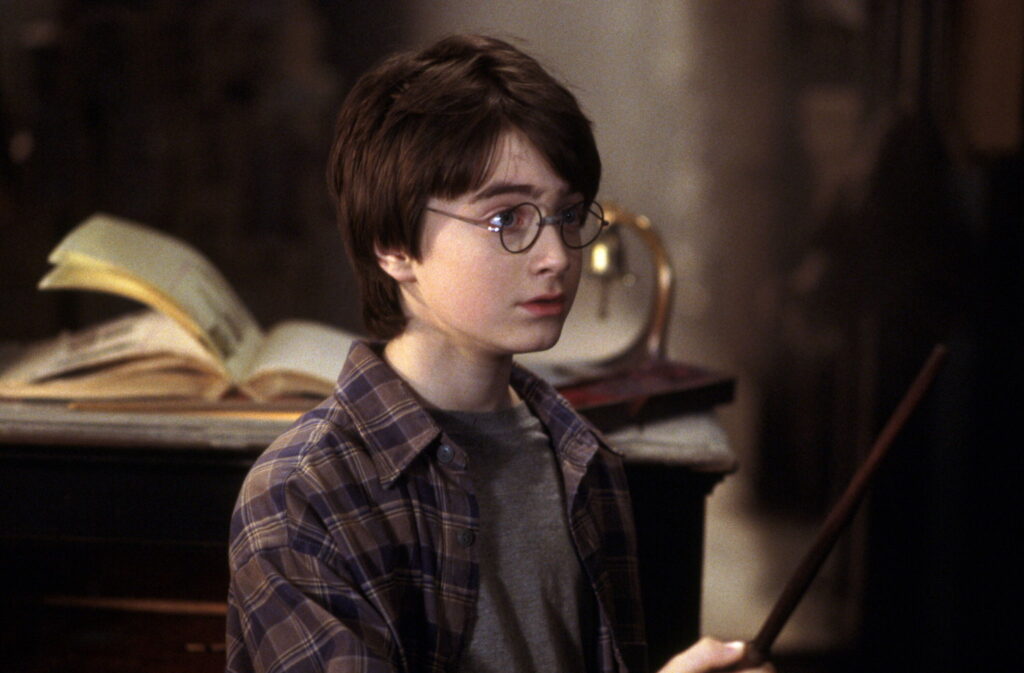
Netflix has a problem. They spent years building their brand on original content, crowing about how they didn’t need legacy franchises or established intellectual property. They were the disruptors, the innovators, the company that proved you could spend $13 billion on content and somehow still not have enough things people actually wanted to watch. But then they tried to buy Warner Bros., and when that $82.7 billion deal evaporated, they were left holding a bag full of cash and no Harry Potter.
Now Netflix is scrambling. The streaming giant that once dismissed franchises as old media thinking is now openly hunting for the next big thing, the next Stranger Things, the next property that can launch sequels, spinoffs, theme park rides, and enough merchandise to fill a Hot Topic. They’ve learned the hard way that original content is expensive, risky, and often forgotten by the time the next algorithm refresh hits.
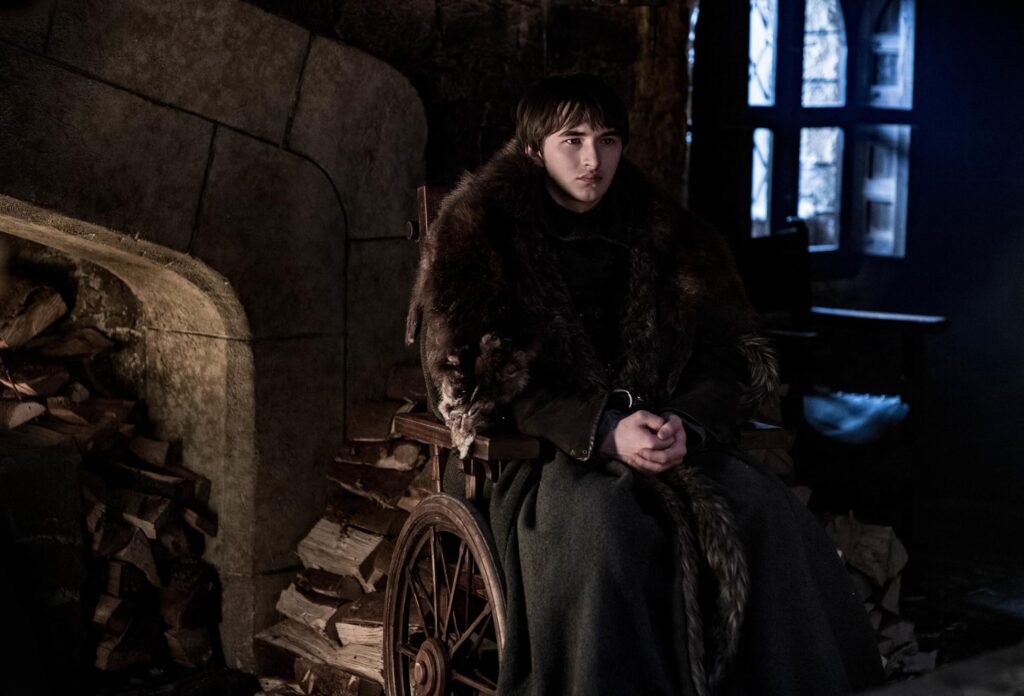
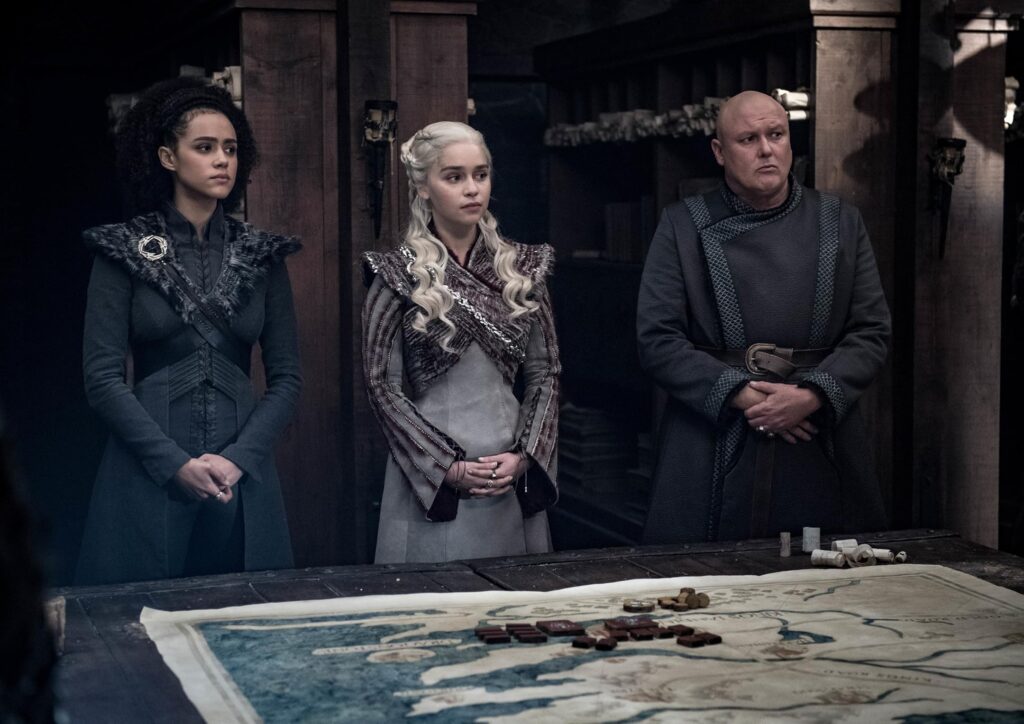
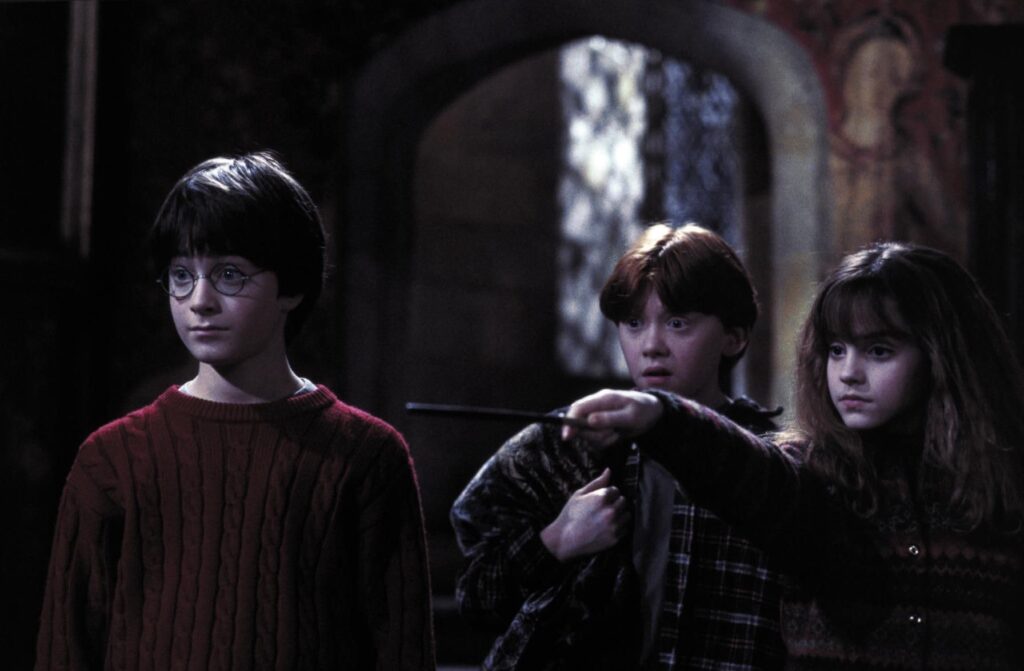
The Warner Bros. acquisition would have solved everything. Harry Potter. Game of Thrones. DC Comics. The entire Hanna-Barbera catalog. Netflix would have instantly become the owner of multiple generation-defining franchises, securing their relevance for decades. But the deal fell through, and now they’re back to square one, betting on original productions and partnerships with studios like MGM to build the next big thing from scratch.
The irony is delicious. Netflix’s original strategy—flood the zone with content, hope something sticks, cancel everything else—created the exact environment where franchises can’t grow. You can’t build a cinematic universe when you cancel shows after one season because they didn’t immediately capture the zeitgeist. You can’t create the next Harry Potter when your development process treats storytelling like a content mill.
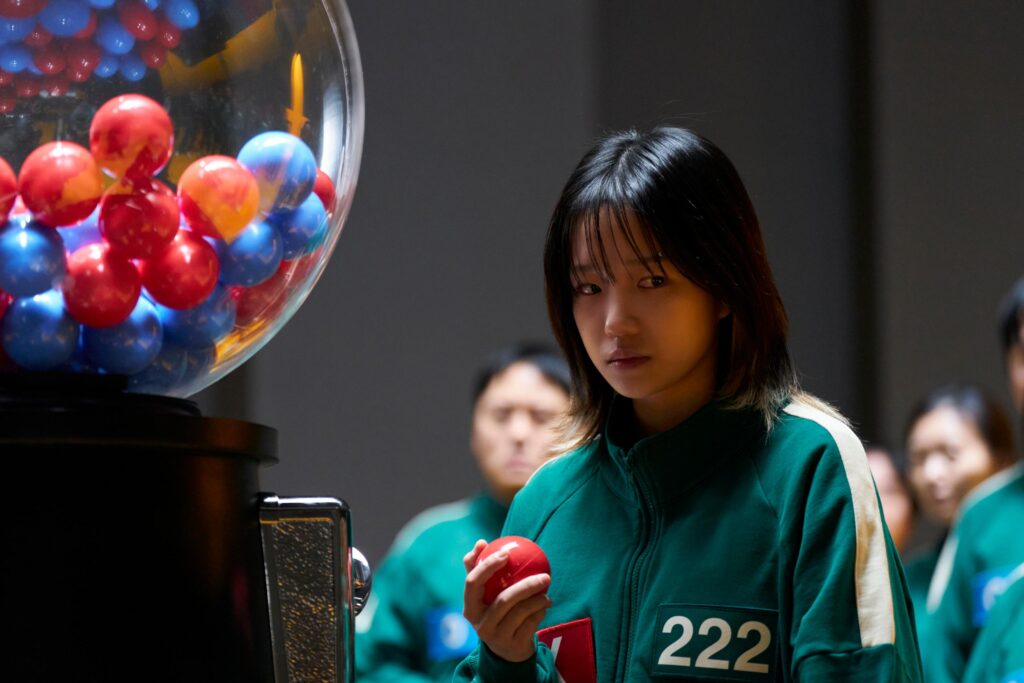
Look at their track record. They have Stranger Things, which is ending. They had The Witcher, which they drove into the ground. They have Squid Game, which is becoming a reality show for some reason. What they don’t have is a Marvel-style interconnected universe, a Star Wars-style mythology, or even a Fast & Furious-style engine for endless sequels. They have a graveyard of one-season wonders and expensive flops that generated buzz for exactly three days before disappearing into the algorithm.
The shift to tentpole spending is their new strategy—fewer, higher-investment originals with clearer global marketing plans. They want franchise/IP-driven series that can become cultural events, prestige limited series that win awards, and localized gems that get global promotion. In other words, they want to be Disney, but without the century of accumulated intellectual property.

Good luck with that. Building franchises requires patience, creative consistency, and a willingness to let shows find their audience over multiple seasons. Netflix’s culture of algorithmic metrics and immediate cancellation is fundamentally hostile to the slow burn that creates lasting mythology. You can’t build a Wizarding World if you’re afraid to let the first movie underperform at the box office.
The streaming wars have entered a new phase. Netflix isn’t the disruptor anymore; they’re the incumbent trying to defend their turf against Disney+, Max, and whatever Apple is doing. And without a franchise arsenal to match their competitors, they’re learning the hard way that content is king, but franchises are the kingdom.
Watch the throne—stream Netflix’s current originals and see which ones might become the franchises they’re desperately searching for.
Also Read: Your Netflix Watchlist Is About to Save You From Weekend Boredom