
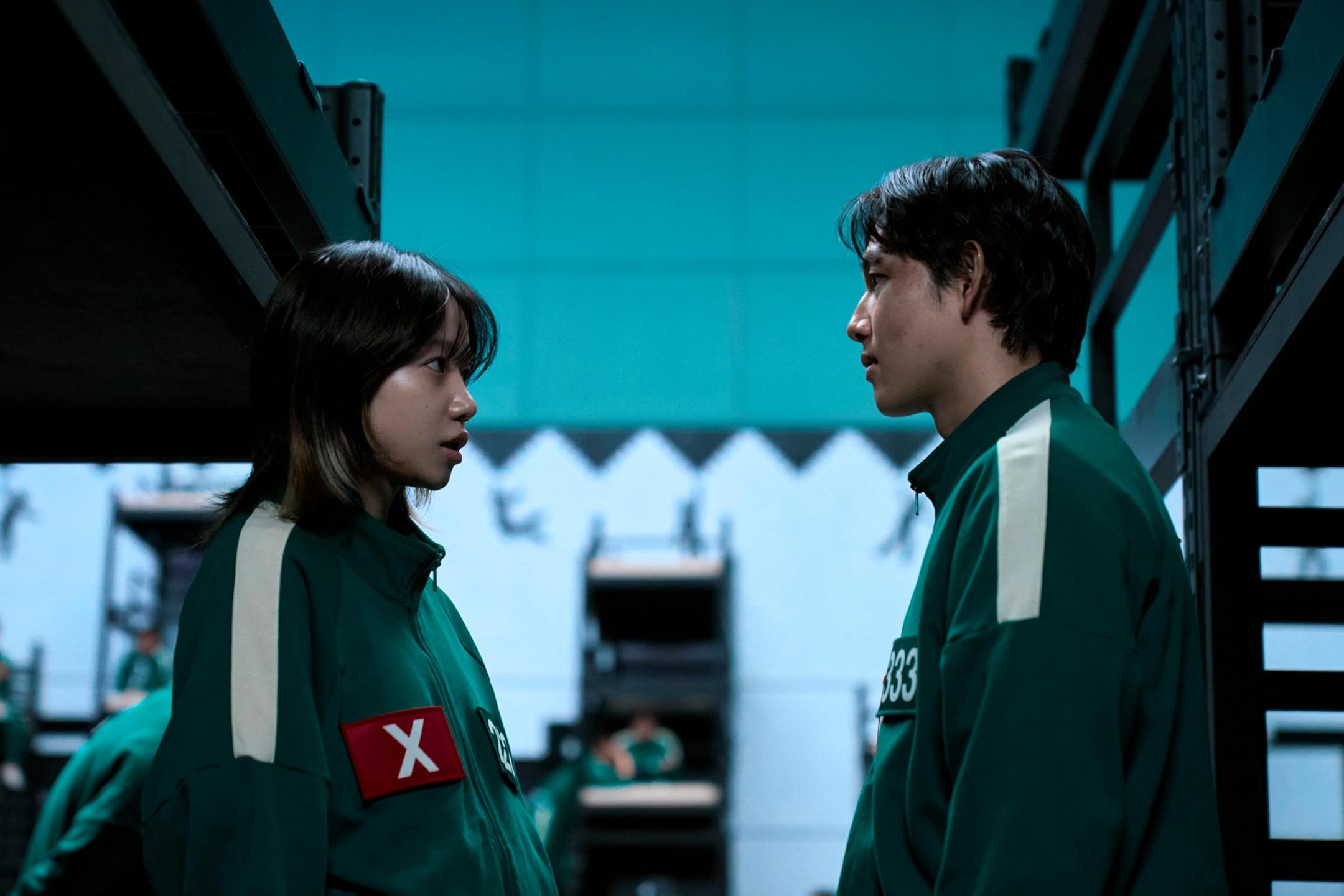
You’ve been here before. It’s Friday night, you’ve got snacks, you’ve got time, and you’ve got absolutely no idea what to watch. You open Netflix, scroll through the “Trending Now” row, scroll through “Top 10 in Your Country,” scroll through “Because You Watched That One Thing Three Years Ago,” and realize with a sinking feeling that you’ve seen everything worth watching and most of the things that weren’t worth watching but you watched anyway because the thumbnail looked interesting.
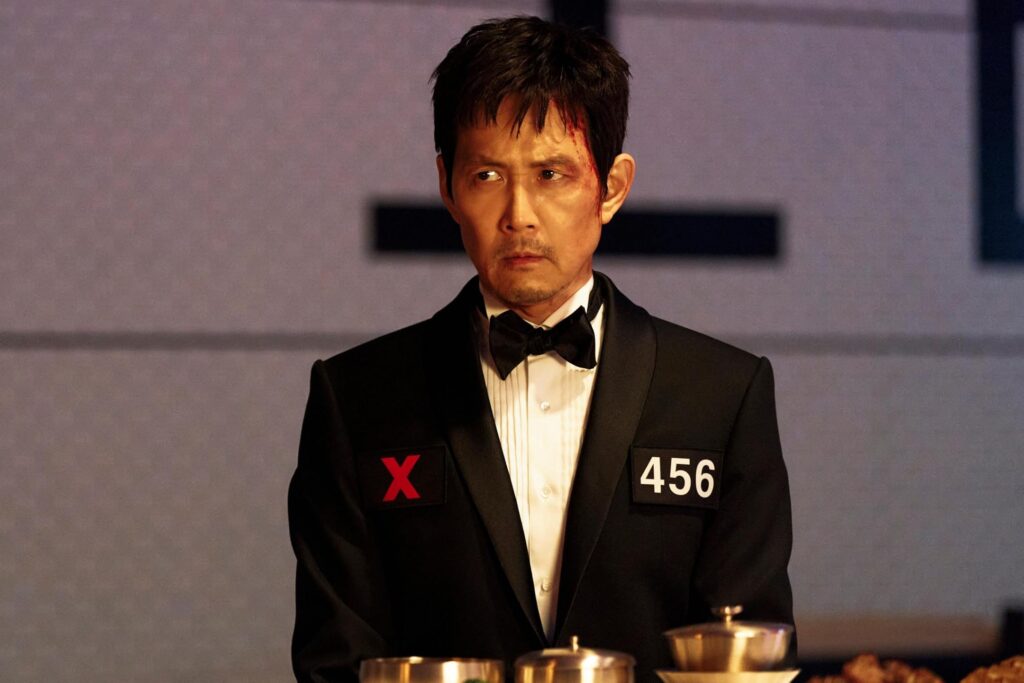
Welcome to subscription fatigue, the condition that affects 100% of Netflix users who have been subscribers for more than six months. The average Netflix subscriber spends 18 minutes deciding what to watch—that’s nearly an entire episode of a sitcom spent staring at a menu, paralyzed by choice. It’s called the paradox of choice, and Netflix is the ultimate case study in how too many options can make you feel like you have no options at all.
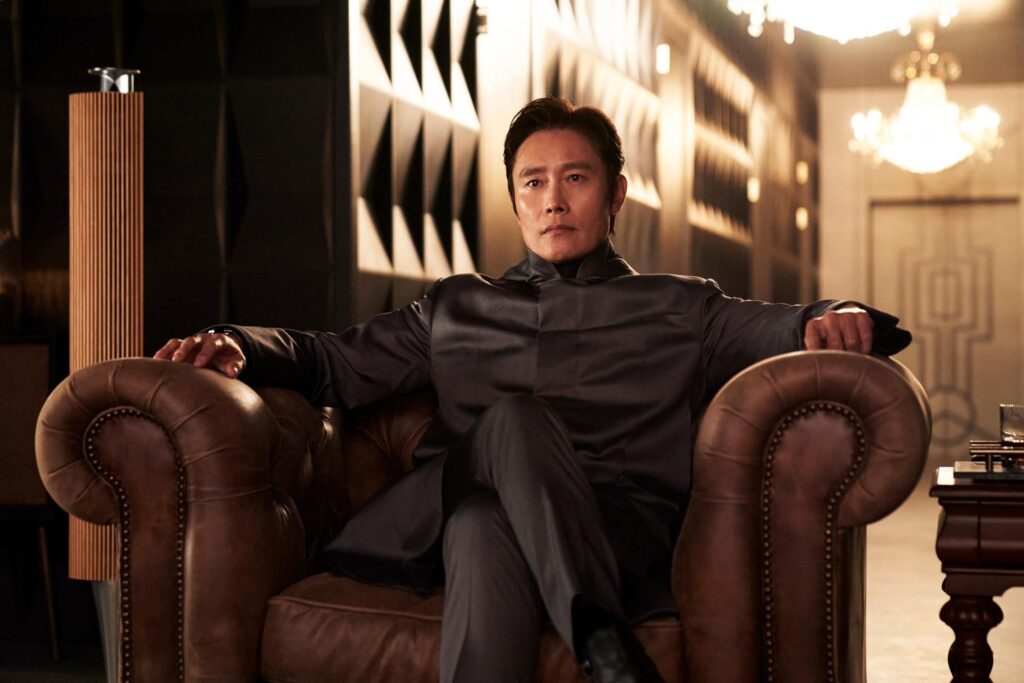

The problem isn’t that Netflix has run out of content. They have 14,835 titles available globally. They spent $13 billion on content last year alone. They added 700 new shows in a single recent year. The problem is that most of it is mediocre, and the good stuff is buried under algorithmic recommendations that seem designed by someone who has never met you and doesn’t understand that “Because you watched The Crown” does not mean you want to watch a reality show about competitive baking.
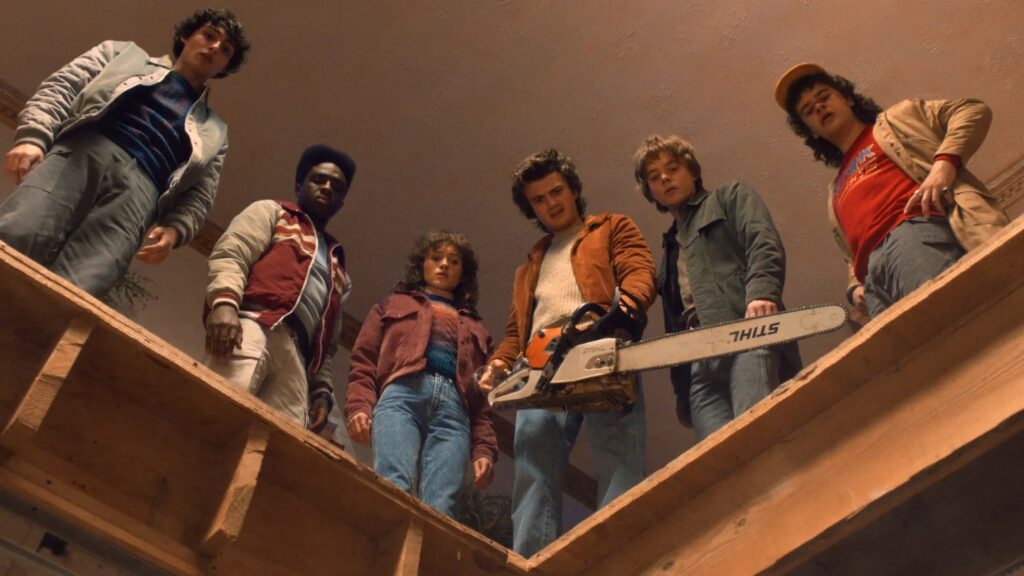
Netflix’s strategy of “more is better” has created a library that is a mile wide and an inch deep. For every Stranger Things, there are twenty shows that got canceled after one season because they didn’t immediately generate completion metrics. For every Sacred Games, there are ten Indian shows that never got marketed outside the subcontinent. The firehose of content has diluted the brand to the point where “Netflix Original” is as much a warning as it is a selling point.
The psychological toll is real. You scroll and scroll, convinced that somewhere in this infinite library there must be something perfect for this exact mood, this exact moment. You add things to “My List” that you will never watch. You start things and abandon them after ten minutes. You rewatch The Office for the ninth time because at least you know what you’re getting. The platform that promised to eliminate the paradox of choice has amplified it to absurdity.
There’s a theory that Netflix anticipated this subscription fatigue and bulked up on content specifically so that when you start canceling services, you’ll keep Netflix because you’re convinced you can never run out of things to watch. It’s the “Hotel California” of streaming— you can check out anytime you like, but you can never leave, because what if the next show is the one that changes everything?
But here’s the truth: you have reached the end of Netflix, or at least the end of Netflix as a curated experience where discovery feels exciting rather than exhausting. The endless scroll is not a bug; it’s a feature designed to make you feel like you’re getting value even when you’re not watching anything. The algorithm doesn’t care if you find something good; it cares if you keep scrolling, keep engaging, keep paying that monthly fee.
The solution isn’t another streaming service to add to your collection. The solution is to embrace the discomfort of not having something perfect to watch, to read a book, to go outside, to remember that entertainment is supposed to be fun, not a part-time job managing a queue of content that never shrinks.
Close the app. Take a walk. The shows will still be there when you get back, and honestly, they probably won’t have gotten any better.
Break the cycle—step away from the scroll and rediscover that entertainment is supposed to entertain, not exhaust.
Also Read: Netflix Is Desperately Hunting for Franchises After the Harry Potter Deal Fell Through