
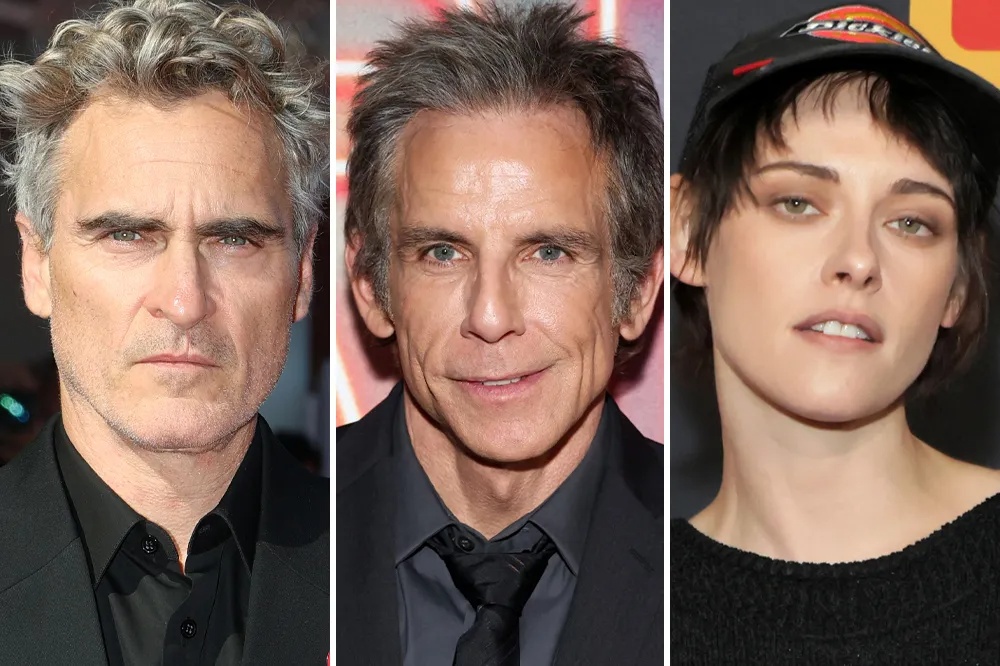
There comes a moment in every industry when the workers realize they outnumber the bosses. In Hollywood, that moment arrived with an open letter signed by over 1,000 actors, directors, writers, and producers—including Joaquin Phoenix, Ben Stiller, and Kristen Stewart—declaring war on the proposed Paramount-Skydance merger and the broader trend of media consolidation that threatens to turn the entertainment industry into a creative wasteland.

The letter, addressed to regulators and lawmakers, argues that the proposed deal would reduce competition, limit opportunities for independent creators, and ultimately harm consumers by narrowing the range of stories that reach the screen. It’s the kind of collective action that Hollywood rarely sees, bringing together A-listers and character actors, Oscar winners and indie darlings, all united by the radical belief that art shouldn’t be controlled by a handful of corporate executives in corner offices.
Joaquin Phoenix, who has spent his career making choices that defy commercial expectations (remember when he made a mockumentary about his rap career?), lends his name to the cause with the kind of credibility that comes from consistently choosing artistic integrity over paychecks. Ben Stiller, who has navigated the studio system from both sides—as a blockbuster comedy star and a respected director—understands exactly what’s at stake when conglomerates control the means of production. Kristen Stewart, who rebuilt her career on the indie circuit after escaping the Twilight franchise, represents the countless actors who rely on independent production companies for the roles that don’t involve sparkles.
The merger in question would combine Paramount’s historic studio lot and deep catalog with Skydance’s modern production capabilities and deep-pocketed investors. On paper, it looks like a marriage of legacy and innovation. But the signatories argue that in practice, it would create another vertically integrated behemoth with the power to control what gets made, who gets hired, and how much everyone gets paid.
This isn’t just about corporate structure; it’s about creative freedom. When a handful of companies control the theaters, the streaming platforms, and the production facilities, they get to decide which stories are worth telling. The result is a homogenized landscape where every movie needs to justify its existence with a four-quadrant appeal and a merchandising strategy. The mid-budget drama, the experimental indie, the risky passion project—these are the first casualties of consolidation.
The letter represents a rare moment of solidarity in an industry known for backstabbing and competitive insecurity. It suggests that the creative class has reached a breaking point, recognizing that their individual success means nothing if the system that enabled it collapses into monopoly. They’re fighting not just for their own careers, but for the next generation of filmmakers who deserve the same opportunities they had.
Whether regulators will listen remains to be seen. But when over a thousand of the most visible people in American culture stand up and say “enough,” it creates a PR nightmare for any merger hoping to slide through unnoticed. The studios are learning that in the attention economy, bad press from movie stars is more expensive than any regulatory fine.
Join the fight—learn more about media consolidation and support policies that promote competition and creative diversity in the entertainment industry.
Also Read: ‘The Hunger Games’ Returns to the Arena With a Poster That Promises Fire