
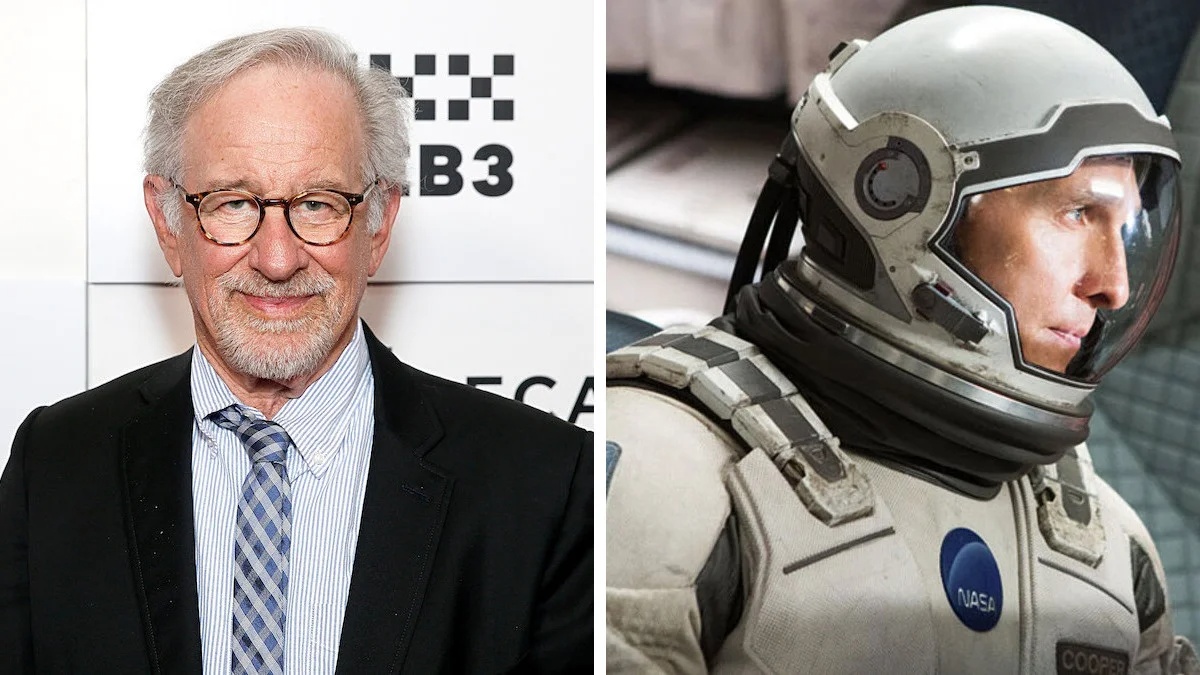
Before Christopher Nolan sent Matthew McConaughey through a black hole to cry at his daughter’s bookshelf, Steven Spielberg spent a full year developing Interstellar, only to walk away and hand the project to the one director who could actually make it work. In a rare display of Hollywood humility, Spielberg recently admitted that the sci-fi epic was “a much better movie in Chris Nolan’s hands than it would have been in mine.”
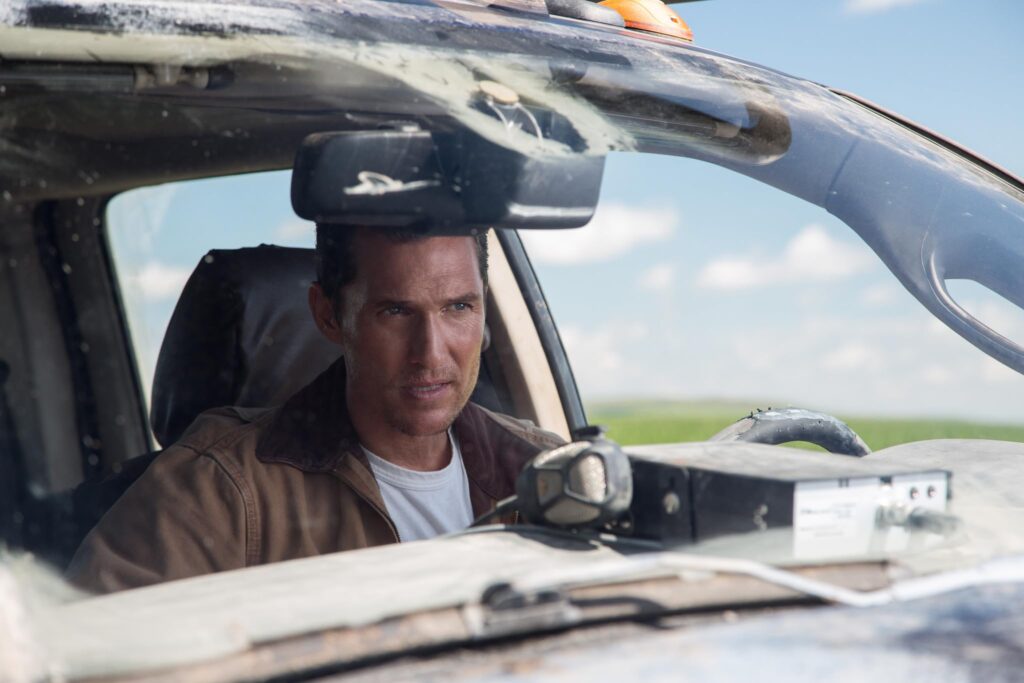
The story begins with theoretical physicist Kip Thorne and producer Lynda Obst bringing the project to Spielberg in the early 2000s. Spielberg, fresh off Minority Report and always looking for the next challenge, became fascinated by the science of wormholes and time dilation. He spent months at NASA’s Jet Propulsion Laboratory in Pasadena, talking to aerospace engineers and scientists about the real physics of interstellar travel. He even hired Jonathan Nolan—Chris’s brother—to write the first and second drafts of the screenplay.
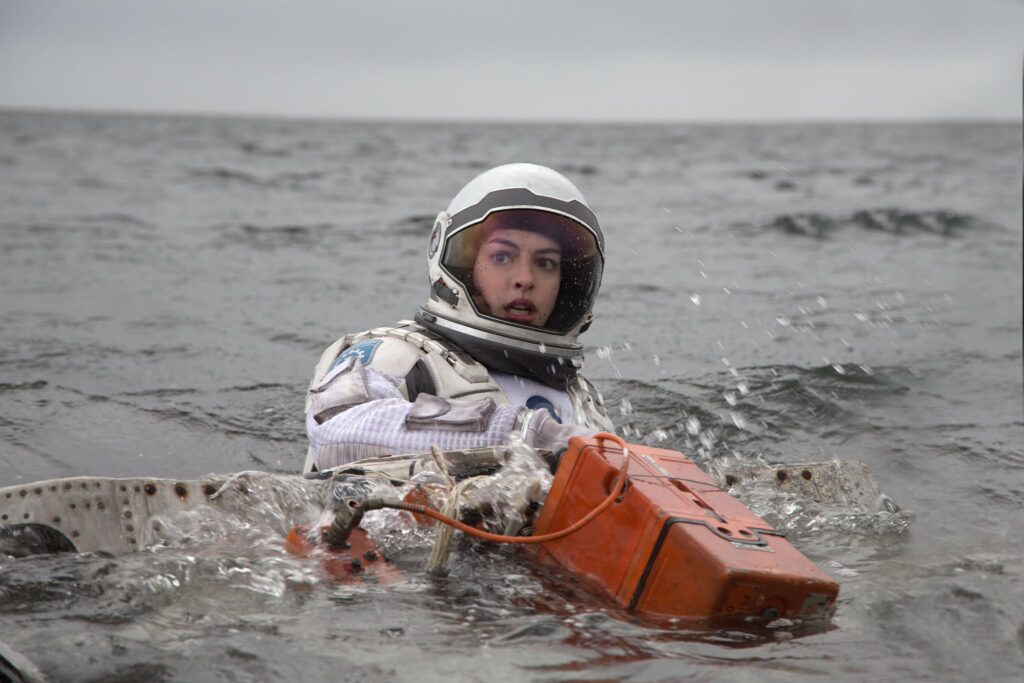
But after a year of development, something wasn’t clicking. “It didn’t stick,” Spielberg explained in a recent interview, using the kind of diplomatic language that Hollywood veterans deploy when describing creative differences. Jonathan Nolan, sensing the project’s potential stall, made a prescient suggestion: “If there comes a point where you decide not to make this movie, I can tell you who’s gonna grab it. He’s already bugging me about it. And that’s my brother Chris.”
The handoff happened with remarkable speed. The second Spielberg stepped away, Christopher Nolan jumped on board, reportedly the very next day. What followed was a collision of Nolan’s cerebral approach to storytelling with Jonathan’s emotionally grounded script—a combination that produced one of the most divisive and visually spectacular films of the 2010s.
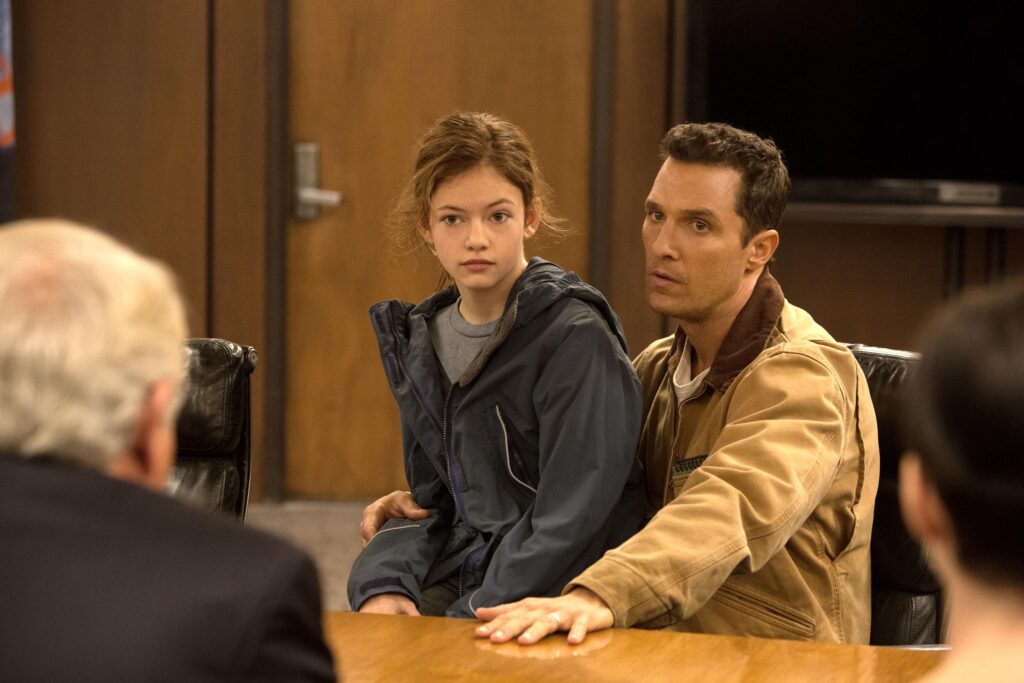
Spielberg’s graciousness about the whole affair is notable in an industry where ego often trumps good judgment. He could have held onto the project out of stubbornness, churning out a competent but uninspired version that checked all the boxes without capturing the magic. Instead, he recognized when the material had outgrown his vision and allowed it to find the right home.
The irony is that Interstellar’s ending—the scene that critics most often cite as evidence of Nolan’s sentimentality overriding his logic—is exactly the kind of heart-on-sleeve moment that Spielberg specializes in. The father-daughter connection across time and space, the tearful video messages, the cosmic scope grounded in intimate emotion—these are Spielbergian trademarks. Yet Nolan, often criticized for being cold and cerebral, was the one who ultimately made the film “wear its heart on its sleeve.”
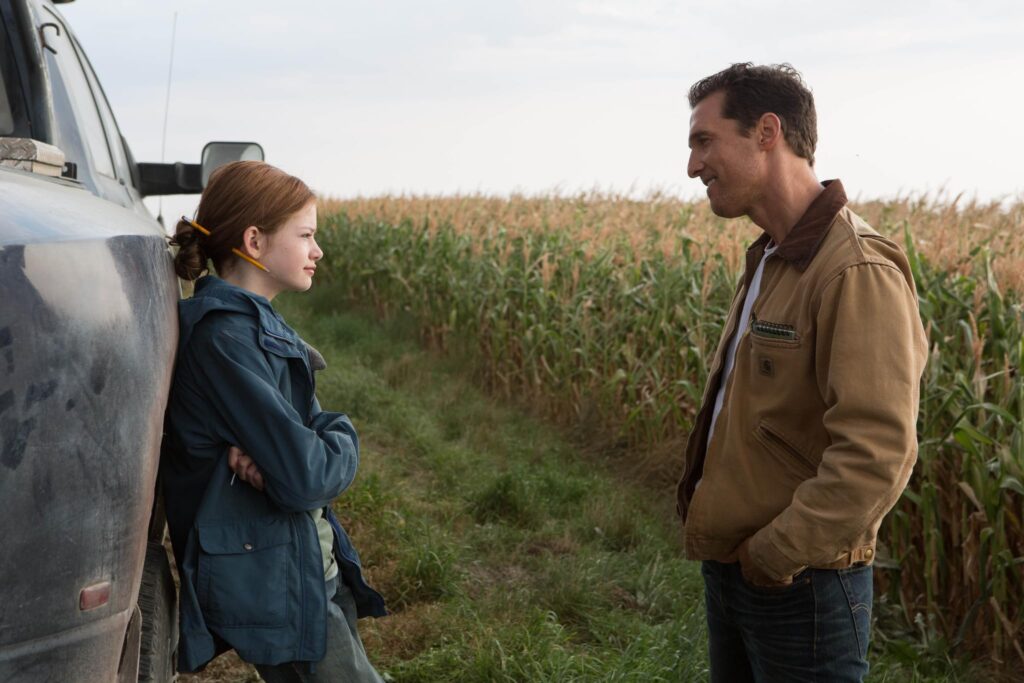
Nolan himself has acknowledged the significance of taking over from a legend. “Right after we collaborated on Dark Knight, my brother got the job and went to work with Steven. I get to call him Steven. He’s Mr. Spielberg to you,” Nolan joked at a recent screening, recounting how he waited years for the project to become available. When it finally did, he combined Jonathan’s script with his own half-baked ideas about time and gravity to create something uniquely his own.
The result grossed $681 million worldwide, won an Oscar for visual effects, and continues to spark debate about its scientific accuracy and emotional sincerity a decade later. Spielberg, meanwhile, moved on to other projects, including his upcoming sci-fi film Disclosure Day, proving that sometimes the best creative decision is knowing when to step aside.
Experience the masterpiece—stream Interstellar and witness the film that was almost very different, then check out Spielberg’s Disclosure Day when it hits theaters June 12.
Also Read: Over 1,000 Hollywood Stars Just Declared War on Corporate Consolidation