
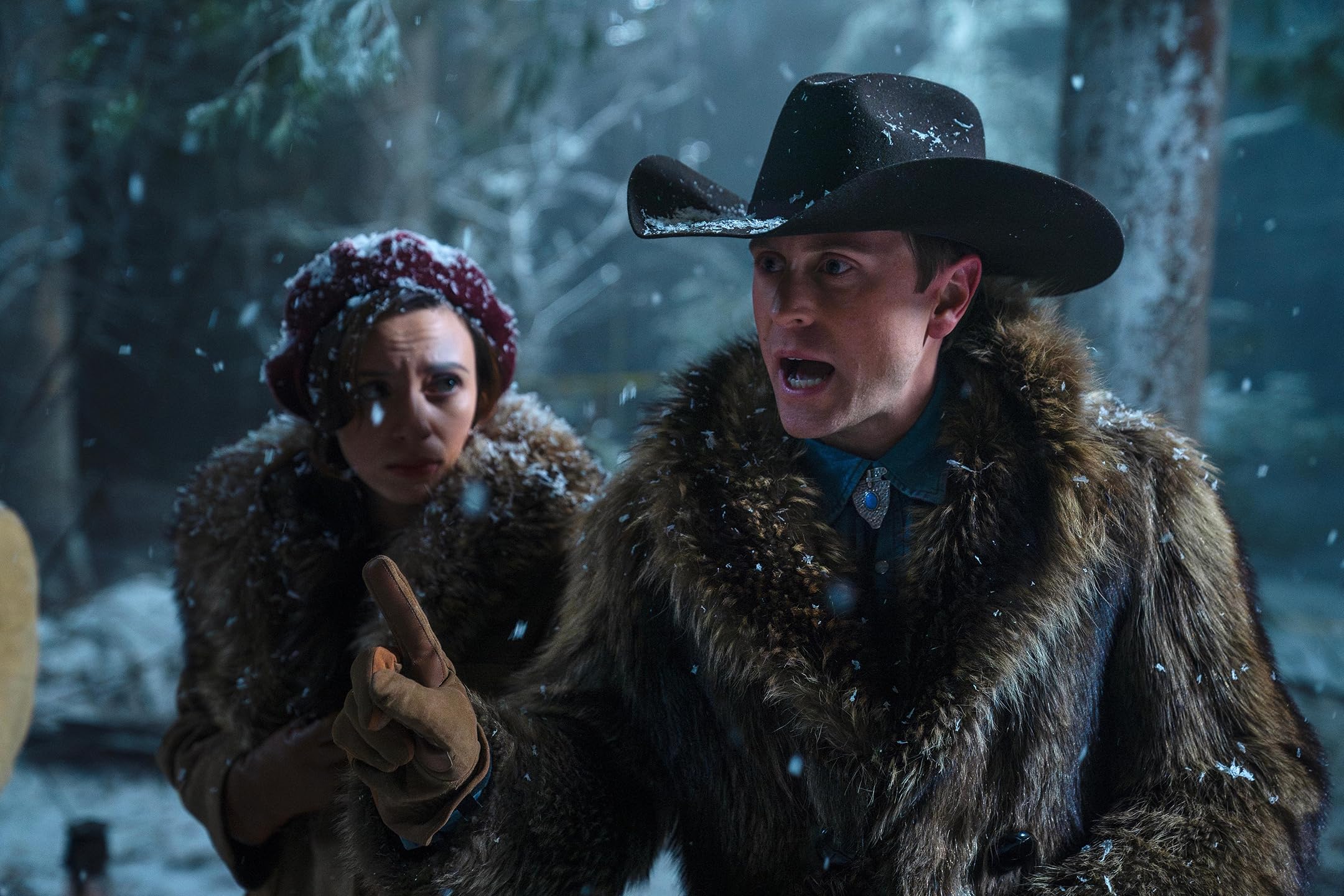
The Yeti lives. Wild—Zac Heath’s Alaska-set creature feature—brings the Abominable Snowman to American wilderness, and the trailer proves practical monster movies still terrify. No CGI. No mercy. Just snow, isolation, and something ancient hungry for human flesh.
Research Gone Wrong
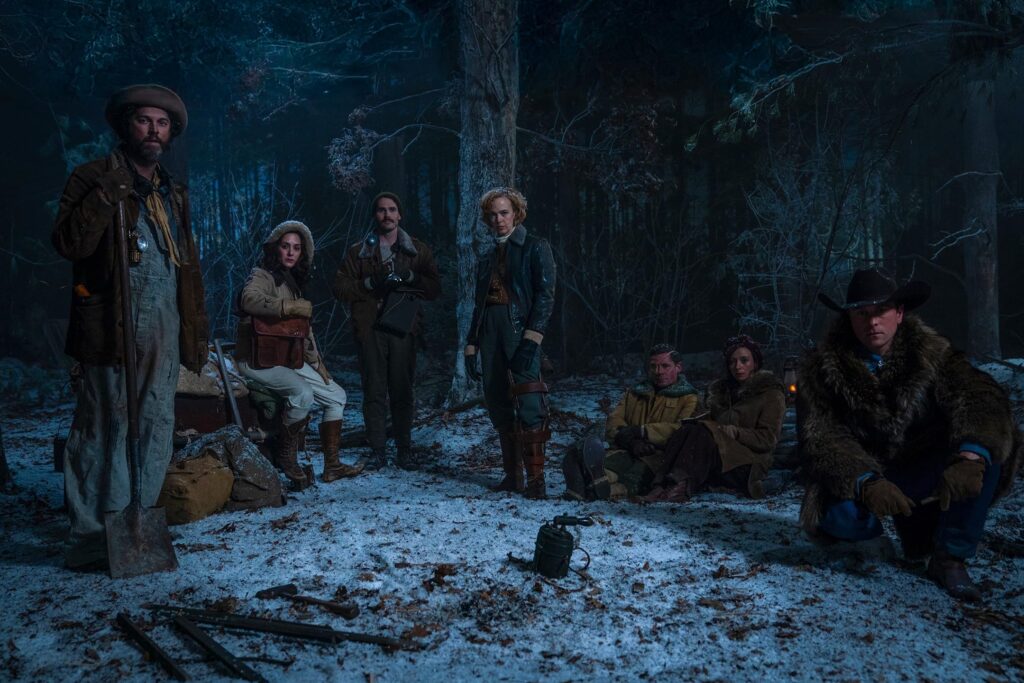
A team of wildlife researchers ventures into remote Alaskan wilderness to study wolf population decline. Their theory: climate change disrupting migration patterns. The reality: something is hunting wolves. Something bigger, faster, not natural. When the researchers become prey, survival depends on reaching civilization before the creature reaches them.
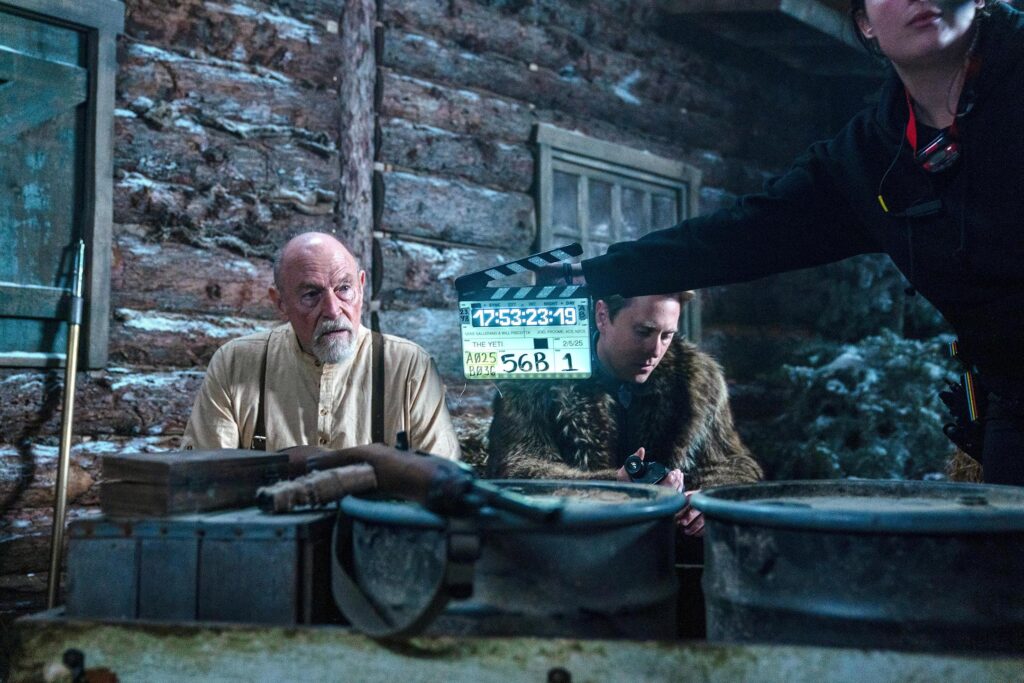
The structure is classic: assemble team (scientists, guides, local tracker), establish isolation (radio dead, storm coming), reveal threat (claw marks, massive footprints, distant roar), destroy hope (creature attacks camp, survivors scatter), final confrontation (last stand in abandoned research station). Heath’s innovation: the Yeti is never fully seen until final reel, and even then—practical suit, not digital creation—remains partially obscured by snow and shadow.
Alaska as Character
Filmed on location in Alaska (Heath’s home state), Wild uses environment as antagonist. Temperatures during shoot reached -30°F; cast and crew suffered frostbite, equipment failures, bear encounters separate from scripted threat. The authenticity shows: breath visible, movement slowed by heavy clothing, snow blindness affecting vision. The Yeti, adapted to this environment, moves with terrifying ease.
Practical Effects Revival
The Asylum—known for “mockbusters” (Transmorphers, Sharknado)—funds Wild as prestige pivot. The Yeti suit, built by KNB EFX Group (The Walking Dead, Evil Dead Rise), stands 8 feet tall, covered in hand-punched yak hair, with animatronic face allowing expression. The performer inside—stuntman TBA—trained for months in movement, creating gait between ape and bear, something that reads as intelligent but not human.
Zac Heath’s Vision
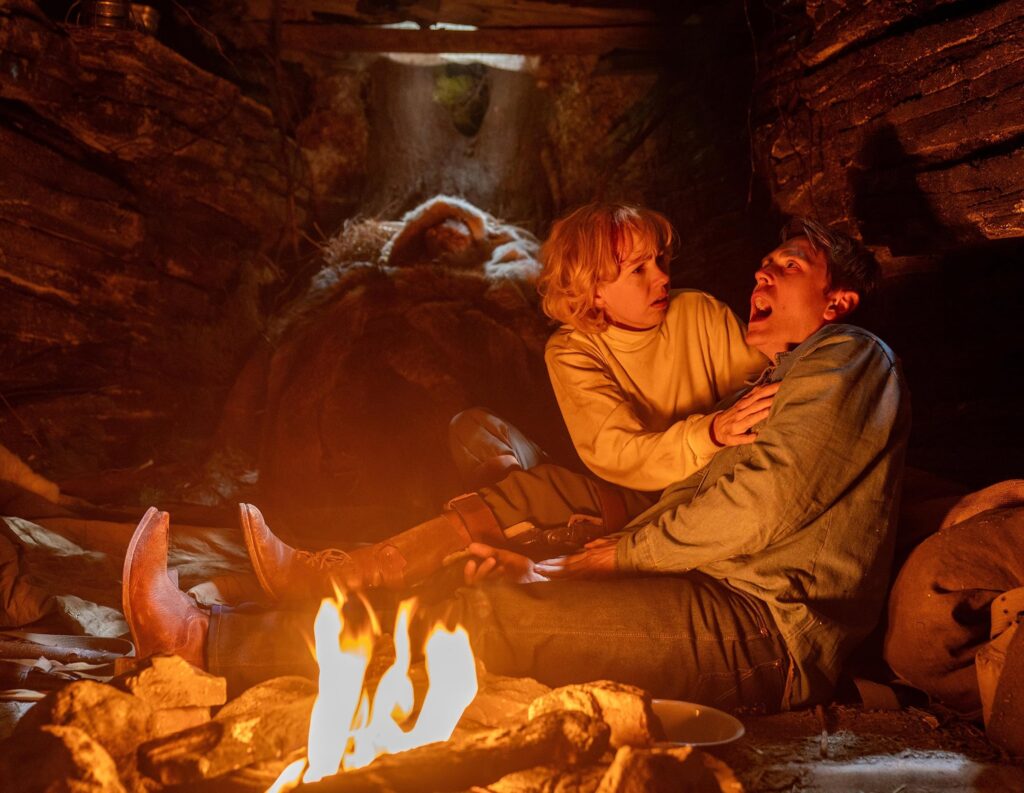
Heath’s previous films (The Retreat, 2020; The Lurker, 2019) were low-budget horror with strong premises, weak execution. Wild is upgrade: Tubi Original funding, Alaskan tax incentives, professional crew. His approach is “Jaws in snow”—creature as force of nature, characters defined by response to threat. The trailer’s money shot: survivor running through blizzard, Yeti emerging from whiteout behind, arms outstretched, mouth open in silent roar.

The Release
Tubi, Fox’s free ad-supported platform, releases Wild as “event” original—rare for service known for library content. The strategy: creature features perform internationally, Alaska setting appeals to global audiences, practical effects generate social media buzz (“Is that real?”). No theatrical, but festival play (Fantastic Fest, Sitges) builds credibility.
Also Read: Over Your Dead Body: Segel & Weaving’s Killer Chemistry