
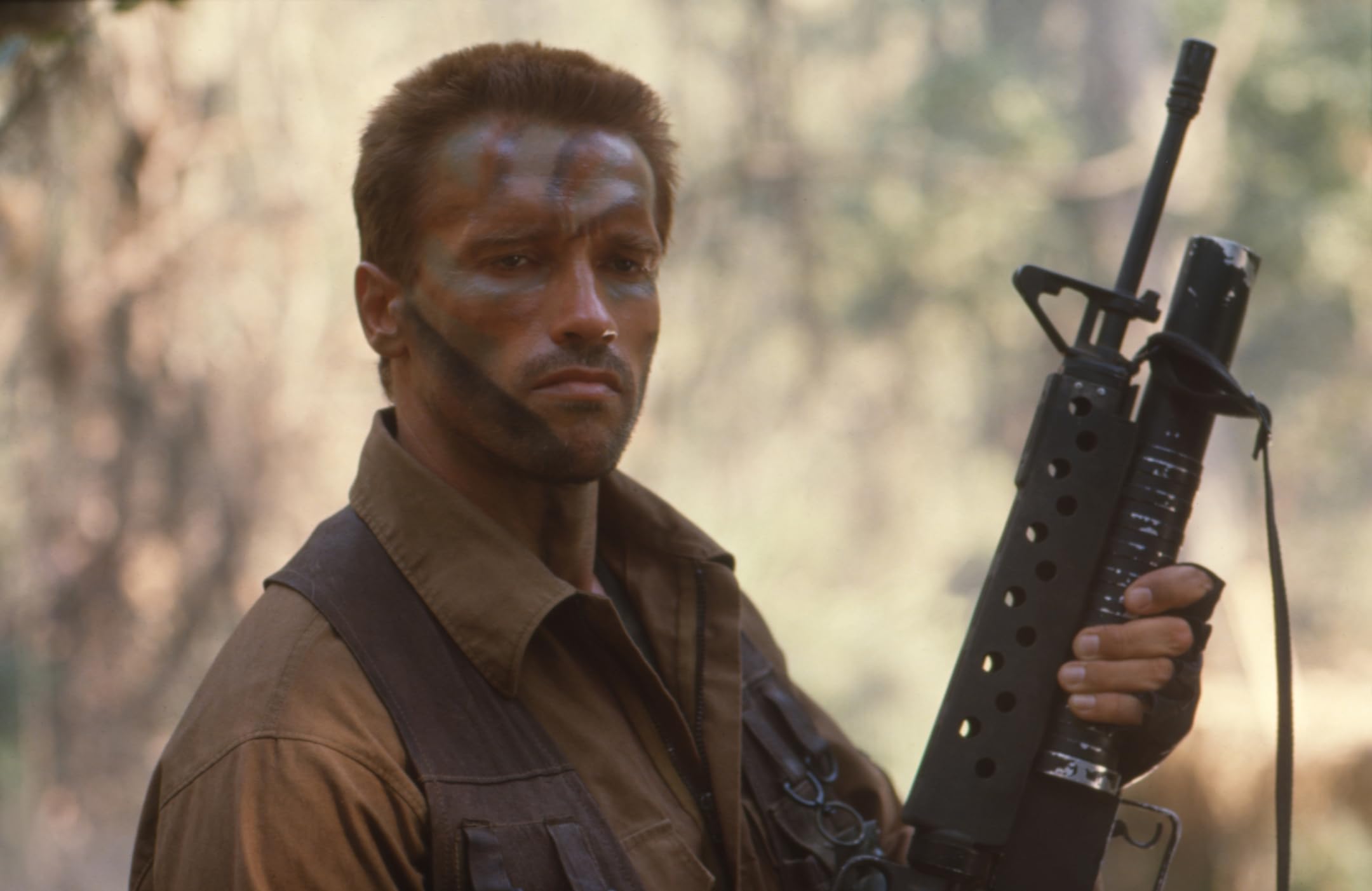
You think you know Predator. You’ve seen the memes, you’ve quoted Arnold’s Austrian-accented one-liners, you’ve probably dressed up as the alien for Halloween at least once. But if you haven’t rewatched John McTiernan’s 1987 masterpiece recently, you might have forgotten that this isn’t just a movie about a muscle-bound commando fighting a space monster—it’s a movie about why muscle-bound commandos are actually the worst people to send to fight space monsters.
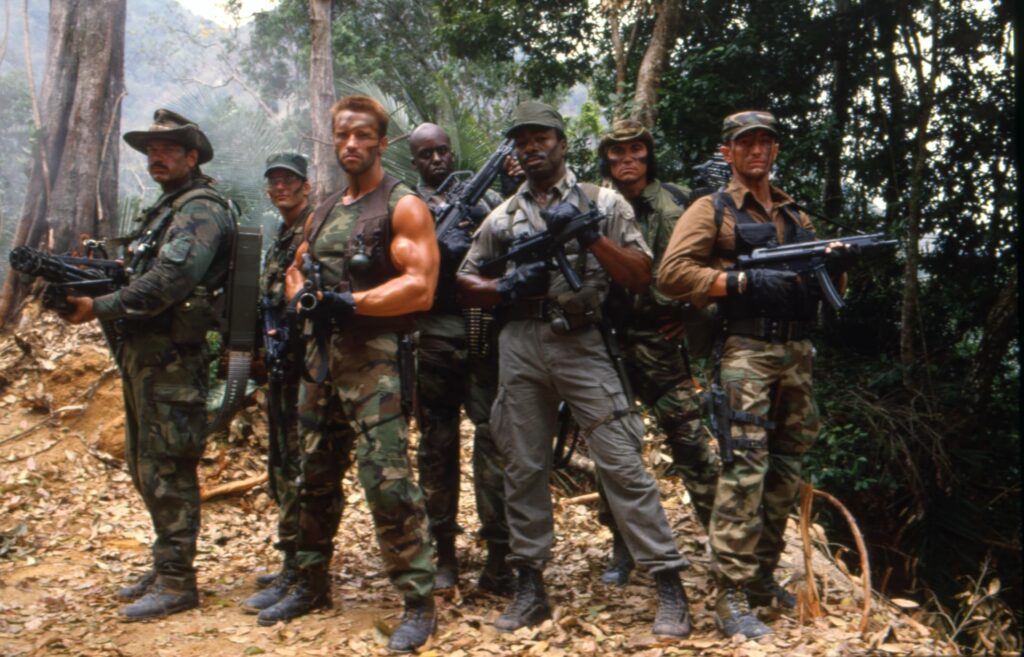
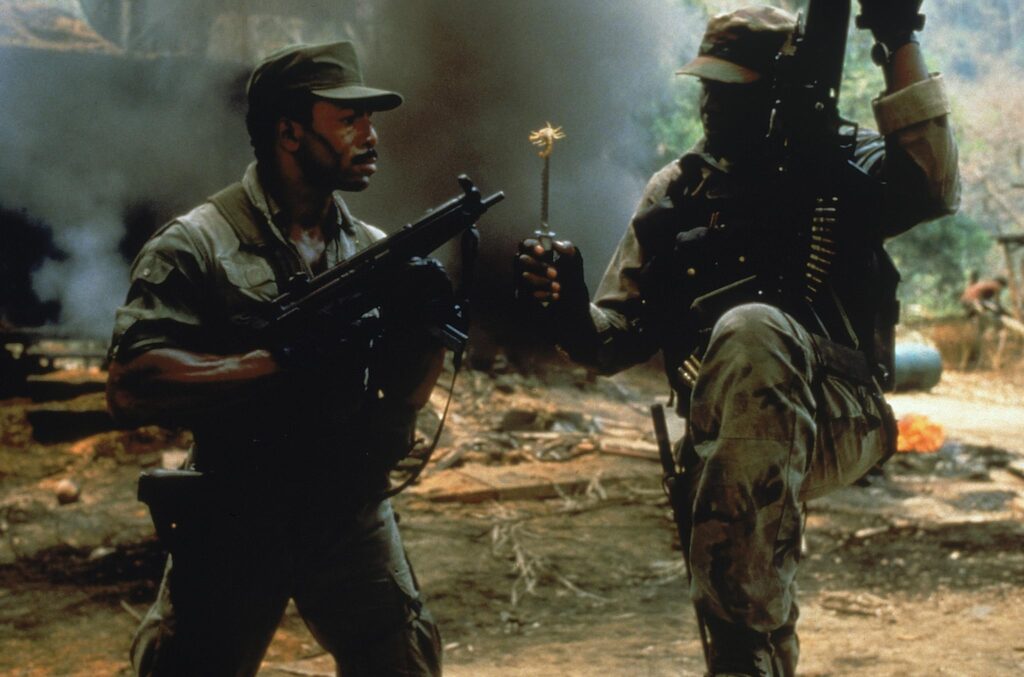
The setup is pure 80s testosterone: Arnold Schwarzenegger plays Dutch, the leader of an elite special forces team dropped into the Central American jungle to rescue captured airmen. His squad includes Dillon, played by Carl Weathers with biceps so impressive they deserve their own billing, and a collection of soldiers who represent every action movie archetype from the 1980s. They’re armed to the teeth, covered in camouflage paint, and absolutely convinced that enough bullets can solve any problem.
For the first act, Predator plays exactly like the militaristic fantasy it appears to be. The team raids a guerrilla camp with overwhelming force, explosions light up the screen, and the body count climbs high enough to make Rambo jealous. But then something strange happens. The predator—a technologically advanced alien hunter who came to Earth for the most dangerous game—starts picking them off one by one. And all that macho firepower? Completely useless.
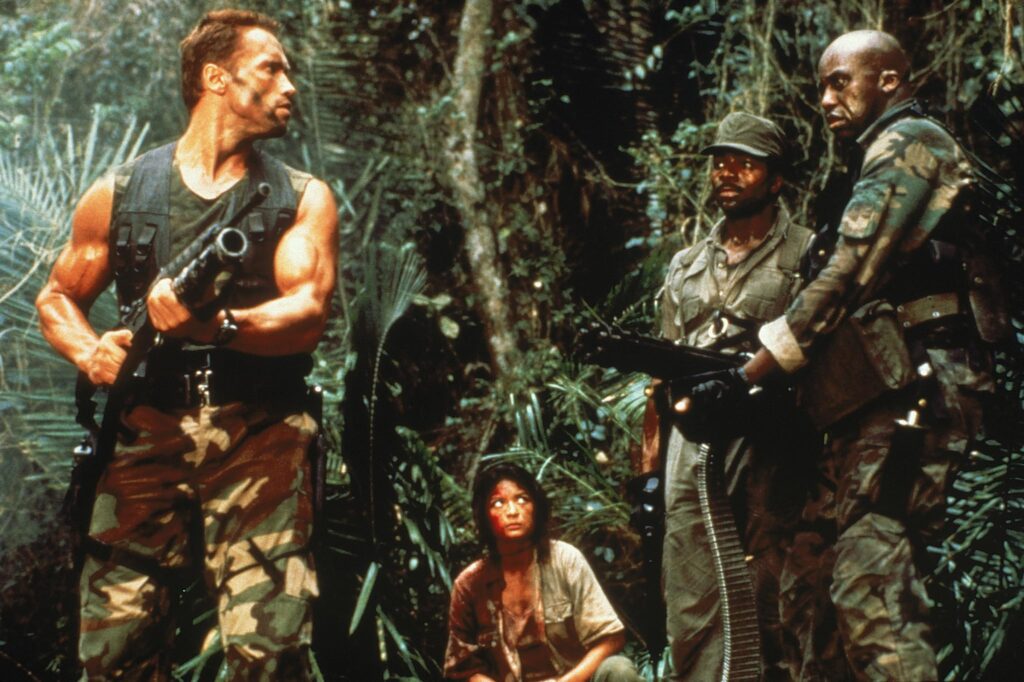
This is where McTiernan’s genius reveals itself. The predator doesn’t just defeat these soldiers; it renders their entire worldview obsolete. Their guns, their muscles, their “we’re the biggest badasses in the valley” attitude—all of it means nothing against an opponent who can turn invisible and see in thermal vision. When Dutch and his team empty their clips into the jungle, firing at shadows and terror, they’re not fighting an enemy. They’re having a panic attack with automatic weapons.
The film’s most subversive move is making the predator itself a parody of the soldiers it hunts. It’s muscular, trophy-obsessed, and technologically over-equipped. It takes skulls as souvenirs and follows a strict code of honor that values the hunt over the kill. Sound familiar? The alien is essentially what these commandos would become if they kept evolving in the same direction—pure predator, no humanity.
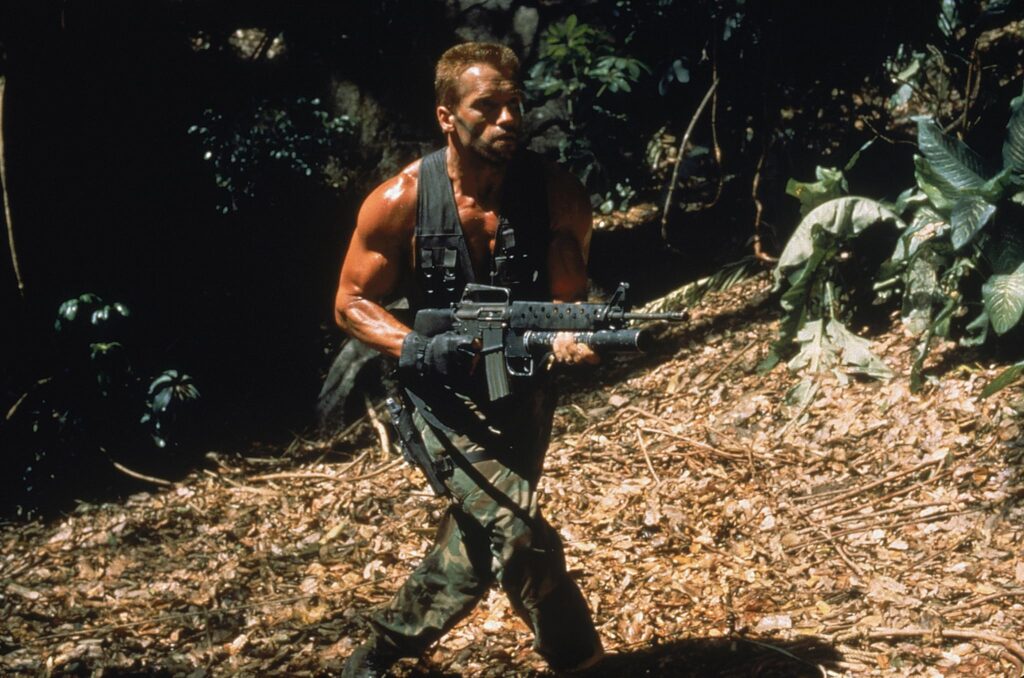
By the final act, Dutch has learned the lesson that the jungle teaches all arrogant visitors: strength without intelligence is just noise. He covers himself in mud to hide his heat signature. He builds traps from vines and logs. He fights using “boy scout shit,” as Dillon dismissively called it earlier. The climax isn’t an arms race; it’s a chess match where Dutch has to outthink a creature that literally has a targeting computer in its helmet.
Stan Winston’s creature design deserves all the praise it gets, but Kevin Peter Hall’s performance inside the suit is what makes the predator memorable. He imbued the alien with personality—a sense of humor, even—through body language alone. That iconic laugh, sampled from Billy’s earlier dialogue and played back during the self-destruct sequence, is genuinely chilling because it suggests intelligence beyond pure instinct.
Yes, some elements haven’t aged gracefully. The quick-cutting during the opening raid is borderline incomprehensible by modern standards. Some of the character work outside Dutch and Dillon is thin. But the central thesis—that traditional masculinity is a liability when faced with an existential threat—remains surprisingly fresh. In an era where action heroes are still mostly defined by how many punches they can throw, Predator stands out for suggesting that maybe, just maybe, knowing when to hide in the mud is braver than charging into gunfire.
Thirty-seven years later, and we’re still waiting for another action movie to be this smart about being this dumb.
Hunt or be hunted—stream Predator (1987) and witness the action classic that subverted the very genre it perfected.
Also Read: How The Fast and the Furious Became the Most Unstoppable Franchise in Hollywood